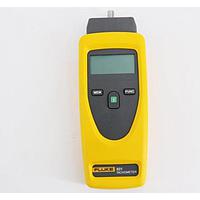
Motion & Position, Survey Measurement
Accurate field data starts with reliable instruments. In applications such as construction layout, maintenance inspection, machine speed verification, site navigation, and general surveying work, the right measurement tools help teams reduce rework, document results more clearly, and make faster decisions on site.
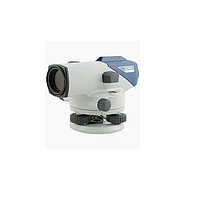
Motion & Position, Survey Measurement brings together practical instruments used to measure distance, speed, position, alignment, and movement in industrial and technical environments. This category covers a broad ecosystem, from handheld laser distance meters and tachometers to GPS handhelds and laser leveling equipment, making it easier to match the tool to the job rather than forcing one device to do everything.
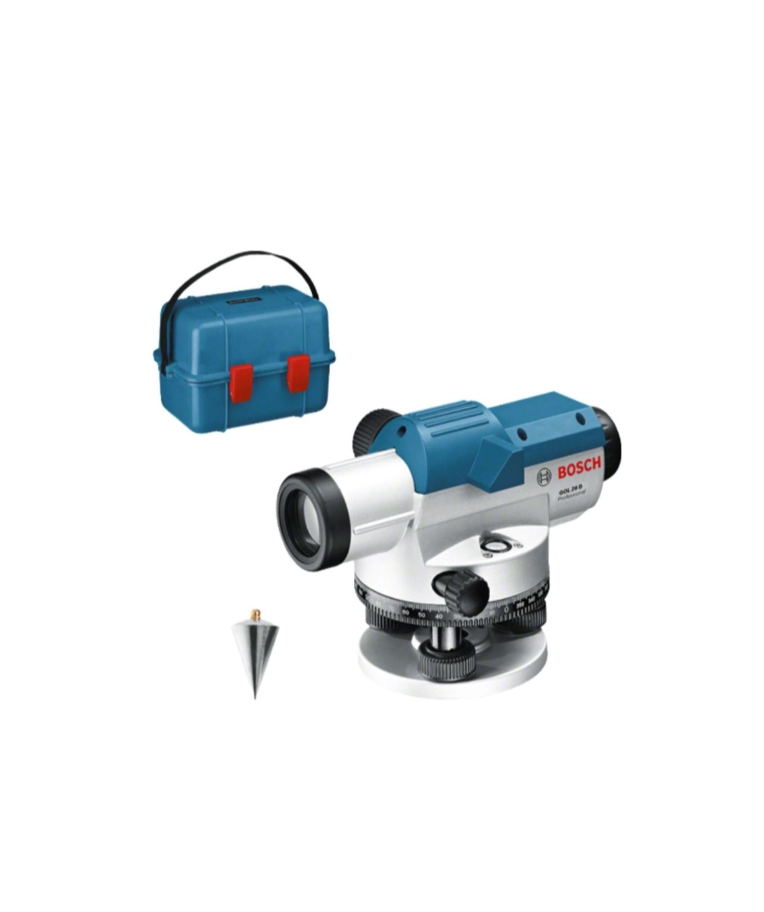
Built for real measurement tasks in the field
Survey and motion-related instruments are used wherever physical conditions must be translated into measurable data. On a jobsite, that may mean checking room dimensions, aligning a reference line, confirming equipment rotation speed, or recording location data for navigation and asset tracking. In maintenance and technical service, these tools support troubleshooting, installation checks, and repeatable verification.
Because this category spans multiple measurement principles, users can select devices based on the actual task: laser-based distance measurement for fast dimensional work, optical or contact speed measurement for rotating machinery, and satellite-based handheld navigation for route guidance or field positioning. For buyers comparing technologies, it is often helpful to explore dedicated brands such as FLUKE instruments or GARMIN handheld navigation devices depending on the application focus.
Key product groups commonly selected in this category
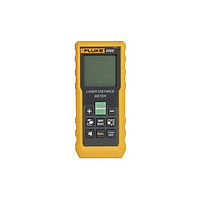
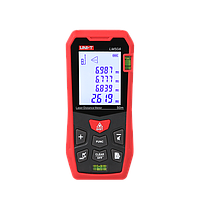
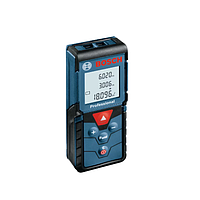
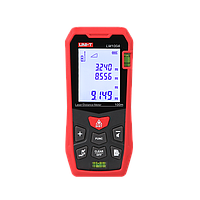
A major part of this range is the laser distance meter, widely used for indoor measurement, fit-out work, utilities, building inspection, and general site calculation. Models such as the FLUKE FLUKE-405/CNAP, FLUKE FLUKE-408/CNAP, FLUKE-417D, FLUKE-424D ESPR, and Chauvin Arnoux CA 1730 illustrate common capabilities including single and continuous measurement, area and volume calculation, and support for multiple measurement units. In practice, these tools help users capture dimensions faster than manual tape methods while improving consistency in repeat measurements.
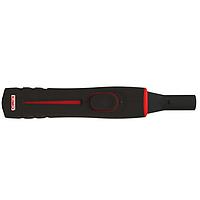
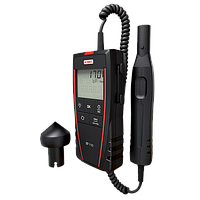
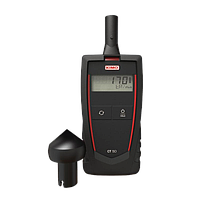
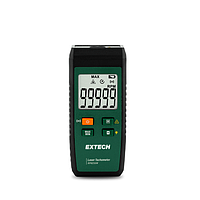
Another important group is the tachometer, used to verify rotational speed in motors, fans, shafts, conveyors, and other moving equipment. Products such as the FLUKE-930 ESP, FLUKE-931 ESP, and Chauvin Arnoux C.A 1725 show how non-contact and combination contact/photo measurement can support both maintenance diagnostics and production checks. For applications where alignment over distance matters, laser leveling equipment such as the FLUKE PLS H2 KIT adds another layer of field utility for setup and layout tasks.
Where GPS handhelds fit into survey and position workflows
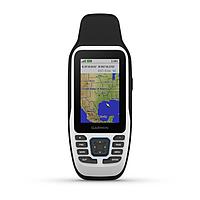
Not every measurement task is about dimensions alone. In outdoor work, infrastructure inspection, patrol routes, marine movement, and field documentation, handheld GPS devices play a different but equally important role. Products such as the GARMIN GPSMAP 67, GPSMAP 86s, and Montana 700 are designed for mobile use where route awareness, waypoint storage, map visibility, and durable operation matter more than point-to-point laser measurement.
These devices are especially relevant when teams need position tracking, navigation support, or geospatial reference during site visits. They can complement more specialized survey tools by helping users move efficiently between locations, document paths, and maintain situational awareness in remote or distributed environments. This makes the category relevant not only to survey specialists, but also to maintenance crews, utility teams, inspectors, and field service operations.
How to choose the right instrument for the application
The first selection factor is the measurement objective. If the goal is room dimensions, spacing, or installation distances, a handheld laser distance meter is usually the most efficient option. If the goal is checking rpm or verifying moving parts, a tachometer is more appropriate. If the work involves terrain, route guidance, or outdoor point logging, a GPS handheld is a better fit than a distance-only instrument.
The second factor is the working environment. Indoor and short-range measurement often prioritizes simplicity and quick readings, while outdoor or industrial use may require better ingress protection, stronger visibility, and more rugged housing. Buyers should also consider whether they need functions such as angle measurement, area and volume calculation, contact and non-contact speed measurement, or mapping and route storage.
Finally, think about workflow. Some teams need compact handheld tools for occasional checks, while others need instruments that become part of a daily process for inspection, installation, or maintenance. In those cases, battery life, display readability, memory functions, and handling convenience can be just as important as core accuracy figures.
Representative manufacturers in this category
Several established brands appear prominently in this category because they address different measurement needs. Chauvin Arnoux is relevant for portable measurement tools such as laser distance meters and tachometers used in electrical, industrial, and maintenance contexts. FLUKE is well known in technical maintenance and field testing, with practical handheld devices for distance and rotational speed measurement, along with laser leveling solutions for layout work.
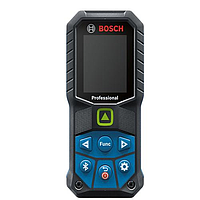
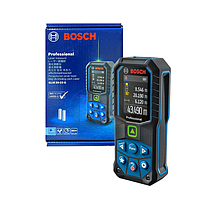
GARMIN stands out where route-based navigation and durable handheld GPS usage are central to the task. Other listed manufacturers such as BOSCH, HIOKI, Honeywell, Kenwood, and Bushnell broaden the context of the category, reflecting the wider ecosystem around motion, position, and field measurement. The right brand choice depends less on popularity alone and more on how closely the device type matches the operating requirement.
Important buying considerations for B2B procurement
For B2B buyers, the best choice is usually the tool that fits the process, not simply the broadest specification sheet. Consider who will use the device, how often it will be deployed, and whether the readings need to be shared, repeated, or used in compliance-related documentation. A compact laser meter may be ideal for contractors and facility teams, while a more advanced GPS handheld may be better for field crews operating across large sites or remote routes.
It is also worth considering operating protection, drop resistance, battery format, and ease of carrying in real conditions. Instruments used in production plants, substations, outdoor inspection routes, or construction zones are exposed to dust, handling stress, and time pressure. Choosing a device with a practical balance of durability, readability, and measurement function can improve adoption across teams and reduce avoidable measurement errors.
Matching the category to common use cases
This category is suitable for a wide range of professional tasks: measuring installation distances, verifying machine rotation, checking layout references, navigating field routes, and documenting on-site locations. In many organizations, several of these needs exist at the same time, so procurement may involve building a small toolkit rather than selecting a single universal instrument.
For example, a maintenance department may use a laser distance meter for installation checks, a tachometer for motor inspection, and a GPS handheld for outdoor asset visits. A contractor may prioritize quick distance measurement and laser leveling, while a field survey or utility team may focus more on navigation, route recording, and location reference. Understanding the primary workflow helps narrow the choice quickly and avoid overbuying features that will not be used.
Find the right survey and motion measurement tools for your workflow
From handheld distance measurement to rotational speed checks and outdoor navigation, this category supports the practical side of field data collection. The available products reflect different measurement methods and operating environments, giving technical buyers a clearer path to selecting tools that fit the actual job.
If you are comparing instruments for construction, maintenance, inspection, utilities, or field operations, start by defining whether the need is distance, speed, alignment, or position. That simple distinction usually leads to a better shortlist and a more effective investment in measurement equipment.
Get exclusive volume discounts, bulk pricing updates, and new product alerts delivered directly to your inbox.
By subscribing, you agree to our Terms of Service and Privacy Policy.
Direct access to our certified experts