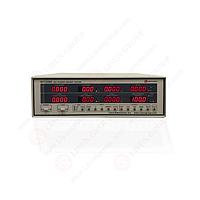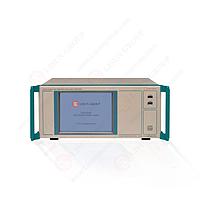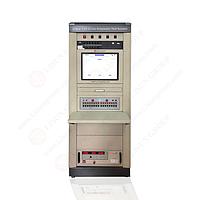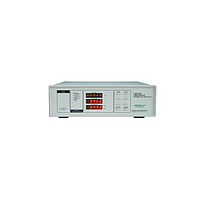
Lamp Test Power Supply
Stable electrical input is one of the foundations of reliable lamp and driver testing. In lighting laboratories, production lines, and quality control environments, a Lamp Test Power Supply helps create repeatable test conditions so engineers can evaluate performance, efficiency, electrical behavior, and consistency across different lighting products and driver designs.
This category is relevant wherever lamp testing goes beyond a simple power-on check. When the goal is to verify how a lamp or LED driver behaves under controlled input and output conditions, the power supply becomes part of a broader measurement setup that may also include optical instruments, electrical analysis tools, and supporting test modules.
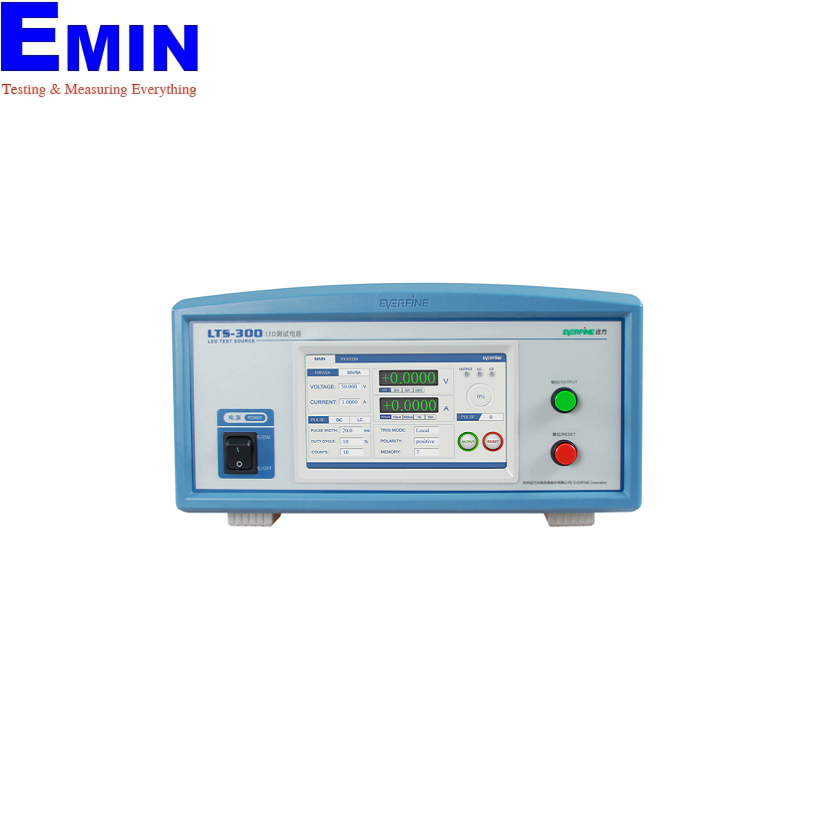
Why controlled power matters in lamp testing
Lighting products are sensitive to supply conditions. Variations in voltage, current, frequency, power factor, or waveform quality can affect brightness, efficiency, thermal behavior, and long-term reliability. A dedicated test power solution allows technicians and engineers to assess products under known electrical conditions instead of relying on unstable or non-standard sources.
In practical testing, this matters for product development, incoming inspection, production validation, and failure analysis. Whether the target is an LED driver, lamp assembly, or related lighting component, a stable supply helps reduce uncertainty in measurement results and improves comparison between samples.
Typical use cases in lighting and driver evaluation
This category is commonly used in workflows involving LED driver verification, electrical parameter analysis, and lamp performance testing. In these environments, the power source is not just an accessory; it supports the entire test method by ensuring that the device under test receives the intended input during measurement.
For example, the MultiTech LEDLS-60 LED Driver Online Tester illustrates how test systems may evaluate multiple driver channels while checking input AC parameters, output AC/DC parameters, efficiency, ripple, harmonic components, and THD. In this kind of setup, the role of the supply side is closely tied to measurement accuracy and repeatability.
What to consider when selecting a lamp test power supply
The right choice depends on the type of lamps or drivers being tested and the purpose of the test. Some users need a source for routine production checks, while others require a more controlled platform for engineering analysis. The most important consideration is the match between the supply capability and the electrical behavior of the device under test.
It is also useful to think in terms of the broader test environment. If your workflow includes harmonic analysis, efficiency evaluation, ripple observation, or AC/DC output checks, the power supply should support a stable and consistent basis for those measurements. In many projects, system compatibility and ease of integration are as important as the electrical output itself.
Integration with optical and electrical test equipment
Lamp testing rarely happens in isolation. A power source is often used alongside other instruments in the same lab or production station. For electrical verification, users may combine it with analyzers or specialized driver testers. For optical checks, it can be part of a wider setup that includes tools such as a light meter to evaluate illuminance under defined supply conditions.
In applications involving color consistency, sensor-based feedback can also be important. If the workflow extends into chromaticity or light quality evaluation, related instruments such as color sensors may complement the electrical test stage. This kind of combined setup is especially useful in R&D and quality assurance, where electrical stability and optical measurement need to align.
Manufacturer context and solution ecosystem
Within this category, MultiTech is one of the relevant names for users working with lighting and LED driver test systems. Rather than focusing only on a standalone unit, many buyers look for equipment that fits into a practical testing workflow, from powering the DUT to recording electrical response and evaluating operating behavior.
This is particularly important in B2B environments where repeatability, operator efficiency, and traceable results matter. A well-matched supply and test platform can help standardize procedures across development benches, pilot production, and routine inspection stations.
Common buying priorities for industrial and lab users
For engineering teams, the decision is usually based on application fit rather than generic feature comparison. Users often start by defining the lamp or driver type, expected input conditions, measurement goals, and whether the setup will be used for development, validation, or production testing. From there, they can narrow down which power and test arrangement makes sense.
Another practical factor is scalability. Some environments test a single sample at a time, while others need multi-channel verification or online production-oriented inspection. In those cases, a lamp test power supply should be assessed as part of the complete lighting test system, not as an isolated device.
How this category supports a broader lighting test workflow
Lamp test power supplies sit within a larger ecosystem of lighting and optical equipment. Depending on the application, users may also review related tools such as a UV meter for ultraviolet measurement tasks or other specialized instruments used in optical inspection and characterization. The exact combination depends on whether the focus is electrical performance, light output, spectral behavior, or product consistency.
That broader perspective helps buyers make better decisions. Instead of choosing only by product name, they can evaluate how the supply fits into the real test sequence, how it supports measurement quality, and how well it aligns with existing instruments already used in the lab or on the factory floor.
Final thoughts
When lighting products need to be tested under repeatable and meaningful electrical conditions, a lamp test power supply becomes a key part of the process. It supports more reliable evaluation of lamps and LED drivers, improves consistency across test stations, and helps build a structured workflow for electrical and optical verification.
If you are comparing options in this category, it is worth looking beyond the basic power function and considering the full measurement task. A suitable setup should match the device under test, support the required test method, and integrate cleanly with the rest of your lighting inspection and analysis equipment.
Get exclusive volume discounts, bulk pricing updates, and new product alerts delivered directly to your inbox.
By subscribing, you agree to our Terms of Service and Privacy Policy.
Direct access to our certified experts