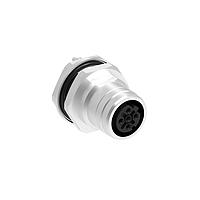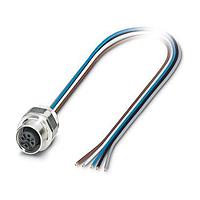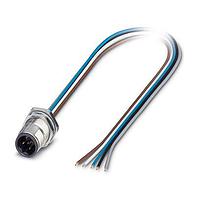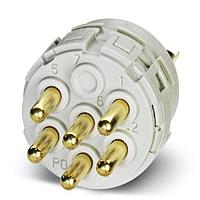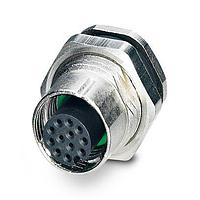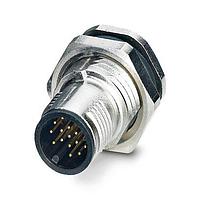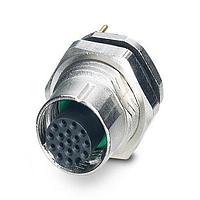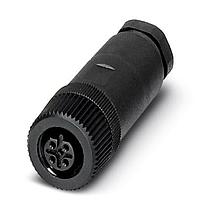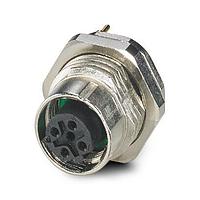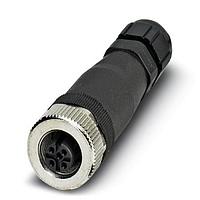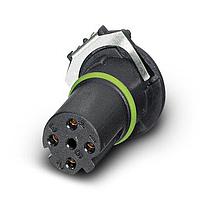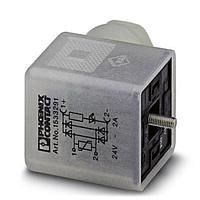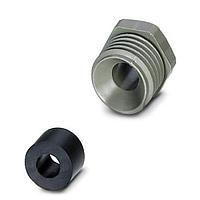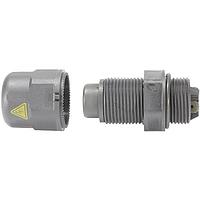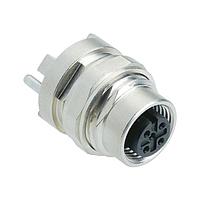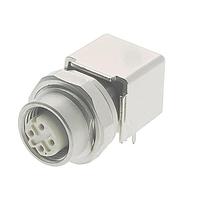
Circular Metric Connectors
Reliable field wiring depends on more than simply matching pin counts. In industrial environments where vibration, washdown, repeated mating, and limited installation space are common, connector choice has a direct impact on uptime, signal integrity, and maintenance effort. Circular Metric Connectors are widely used for these situations because they provide a compact, standardized connection format that suits sensors, actuators, control devices, and machine-level networking.
On this page, buyers and engineers can explore connector options used across automation, control cabinets, machine tools, packaging lines, and process equipment. The category is especially relevant when you need consistent, serviceable connections for distributed devices and want a format that fits well into modern industrial systems.
Where circular metric connectors fit in industrial systems
Circular metric connectors are commonly selected for device-level interconnection where quick installation, repeatable mating, and robust mechanical retention matter. They are often used between field devices and control systems, including sensors, proximity switches, encoders, valve interfaces, and other automation components installed directly on machines.
Compared with larger industrial connection formats, this connector family is valued for its balance of compact size and practical durability. It helps simplify cable routing in dense assemblies while supporting organized maintenance and replacement workflows. In systems that also use other interface styles, teams may combine circular metric options with related categories such as I/O connectors where broader equipment interfacing is required.
Why this connector type is widely used
The appeal of this category comes from how well it aligns with real operating conditions on the factory floor. A circular body is easy to handle during installation, and metric-threaded coupling styles are familiar to technicians working on sensors and automation hardware. This makes assembly and servicing more predictable, especially when many identical connection points are installed across a machine.
Another advantage is application flexibility. Depending on the device and system architecture, these connectors may be used for power, signal, or communication-related connections at the machine level. In practical terms, that means they support cleaner wiring layouts, faster device replacement, and clearer segmentation between field wiring and cabinet wiring.
Common selection criteria for buyers and engineers
When evaluating options in this category, the first step is to define the device role in the system. Connector choice should reflect whether the application is focused on low-level sensor signals, actuator connections, or combined power-and-data requirements. The installation environment also matters, particularly where exposure to moisture, dust, vibration, or repeated motion may affect long-term reliability.
It is also important to review the mating format, cable assembly approach, and available panel or field-attachable styles. For some projects, a compact circular metric interface is the right fit at the device end, while adjacent parts of the system may need more specialized connector families such as heavy-duty power connectors for higher-power distribution or harsher enclosure-level connections.
Procurement teams often look beyond the connector alone. Stock continuity, compatibility with existing installed equipment, and ease of maintenance can be just as important as the initial part selection. That is especially true for OEM builds and plant standardization programs where reducing connector variation can save time across assembly, commissioning, and spare-parts management.
Typical applications across automation and control
In automated machinery, circular metric connectors are frequently used at the edge of the control system, close to the process or motion component itself. They are a practical choice for sensor harnessing, compact actuator interfaces, and modular machine sections where connectors need to be disconnected and reconnected during setup or service.
They are also relevant in distributed architectures that favor smaller, device-level interconnects instead of hard-wired point-to-point terminations. This supports cleaner installation practices and can reduce troubleshooting time because devices are easier to isolate and replace. Where compact board-to-cable transitions are also part of the design, buyers may additionally review FFC & FPC connectors for different interface needs within the same equipment ecosystem.
Manufacturer options for standardized industrial connectivity
This category may be sourced alongside products from established interconnect suppliers that support industrial automation requirements. Brands such as AMP Connectors - TE Connectivity, Amphenol, HARTING, Hirose Electric, and Hirschmann are well known in connector and industrial interface portfolios, making them relevant reference points for engineers seeking continuity in design and sourcing.
Different manufacturers may emphasize different strengths in their broader connector ranges, such as machine connectivity, ruggedized industrial use, compact device interfacing, or integration with automation platforms. For that reason, many buyers evaluate brand fit not only by the connector itself, but also by how easily it aligns with the rest of the installed interconnect strategy.
How to choose the right option for long-term maintenance
Good connector selection should support the full equipment lifecycle, not only initial assembly. In service-heavy environments, it helps to choose a format that technicians can identify quickly, mate correctly, and replace without unnecessary rework. This is particularly valuable for plants running multiple similar machines or modular production cells.
Documentation and standardization also matter. If the same connector family is used consistently across sensors, machine sections, and auxiliary devices, troubleshooting becomes easier and spare-part planning is more efficient. In some architectures, circular metric interfaces are paired with I/O modules to create a more organized field connection strategy around distributed control.
Finding the right circular metric connector category for your application
Choosing from a broad industrial connector range is easier when the application is clearly defined: device type, environment, mating frequency, installation space, and maintenance expectations should all be considered together. Circular metric connectors are often a strong fit when you need a practical, standardized interface for machine-level wiring without moving to larger or more specialized connection systems than the job requires.
For OEM design, retrofit work, and replacement purchasing alike, this category supports a structured approach to field connectivity. Reviewing the connector in the context of the wider automation system will help narrow the best fit and improve consistency across both installation and long-term support.
Get exclusive volume discounts, bulk pricing updates, and new product alerts delivered directly to your inbox.
By subscribing, you agree to our Terms of Service and Privacy Policy.
Direct access to our certified experts