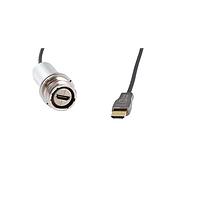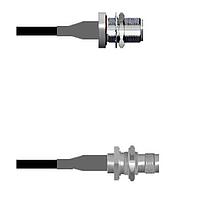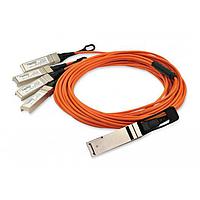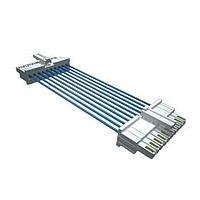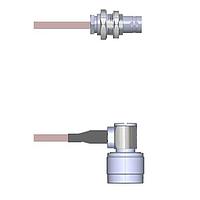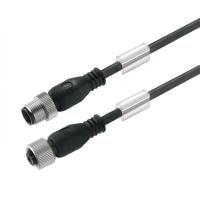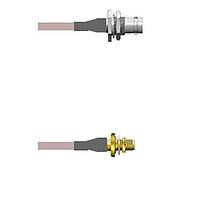
Wire & Cable
Reliable connectivity is one of the foundations of any automation system. From control panels and machine wiring to sensor networks and power distribution, the right cable selection helps maintain signal quality, reduce downtime, and support safer long-term operation. In demanding industrial environments, Wire & Cable is not just a supporting item—it is a critical part of overall system performance.
This category brings together cable solutions used across industrial automation applications where durability, routing flexibility, electrical integrity, and compatibility with connected devices all matter. Whether you are designing a new panel, expanding a production line, or replacing worn wiring in existing equipment, choosing the right cable type helps avoid unnecessary troubleshooting later.
Where wire and cable fit in industrial automation
In automation projects, cables connect far more than simple power points. They carry control signals between devices, support communication between field components and controllers, and link sensors, actuators, drives, and operator interfaces across the machine or facility. Cable choice therefore affects both electrical performance and maintenance efficiency.
In many systems, wire and cable work closely with products found in related areas such as industrial controllers and protective components in circuit protection. Looking at cable requirements as part of the wider control architecture often leads to a more robust installation, especially where vibration, electrical noise, heat, or repeated motion are involved.
Key considerations when selecting wire and cable
The most suitable cable depends on the electrical task and installation conditions. Power wiring, low-voltage control wiring, and signal or communication cabling have different priorities, and these should be evaluated before selecting a product. A cable that performs well in a protected cabinet may not be appropriate for exposed machine routing or continuous movement.
Common selection criteria include conductor type, insulation material, shielding needs, voltage rating, flexibility, temperature exposure, and routing method. For example, systems with sensitive analog or digital signals may benefit from shielded cable to help reduce interference, while moving equipment may require cable constructions designed for repeated bending. It is also important to check compatibility with connectors, terminal blocks, and enclosure entry points during the design stage.
Typical applications across machines and facilities
Wire and cable are used throughout automated production environments, including control cabinets, machine tools, packaging equipment, conveyors, process skids, inspection stations, and utility systems. Internal cabinet wiring often focuses on organized routing and serviceability, while machine-level cabling may need higher resistance to abrasion, oil, moisture, or mechanical stress.
Applications involving encoders, sensors, counting devices, or speed monitoring can place additional demands on signal stability. In these cases, cable selection should support the broader measurement and control chain, including equipment such as counters and tachometers. For systems with machine vision or inspection hardware, cable management also becomes important around devices related to cameras and accessories, where signal integrity and routing discipline can affect reliability.
Power, control, and signal cable needs are different
One practical way to narrow down options is to separate requirements into three broad groups: power distribution, control wiring, and signal or data transmission. Power cable selection usually emphasizes current handling, insulation strength, and installation environment. Control wiring often balances flexibility, identification, and panel organization. Signal and communication cables typically place more importance on shielding, pair structure, and noise resistance.
Even when the physical installation looks similar, these categories should not be treated as interchangeable. Using an unsuitable cable can lead to signal errors, nuisance trips, communication instability, or premature wear. A structured review of load, distance, environment, and device interface helps reduce the risk of mismatch.
Manufacturer ecosystem and compatibility
Many automation buyers prefer to source cable products alongside other control and interconnect components so they can simplify procurement and improve compatibility across the build. Brands such as 3M, Advantech, Amphenol, and AMP Connectors - TE Connectivity are often relevant in broader industrial and electronic integration projects, depending on the wiring task and connected hardware.
Manufacturer choice should be considered in context rather than in isolation. In some projects, the priority is mechanical robustness; in others, it is connector compatibility, compact routing, or support for dense control cabinet layouts. Matching the cable approach to the rest of the automation platform usually produces better long-term results than selecting on a single criterion alone.
Installation and maintenance factors that affect long-term performance
Good cable performance depends not only on the product itself, but also on installation quality. Bend radius, routing separation, strain relief, labeling, grounding practice, and enclosure entry design all influence service life and fault diagnosis. Poor routing can introduce avoidable stress or electrical noise, even when the cable specification appears adequate on paper.
Maintenance teams also benefit from consistent cable identification and clear segregation between power and signal runs. In panel builds involving switching devices such as contactors, thoughtful cable layout can make inspection and replacement much easier. This becomes especially valuable in facilities where uptime targets are strict and troubleshooting windows are limited.
How to approach wire and cable selection more efficiently
A practical selection process usually starts with a few core questions: what is being transmitted, where will the cable be installed, what kind of movement or environmental exposure is expected, and what devices need to be connected at each end. From there, buyers can narrow options based on electrical rating, mechanical requirements, and integration constraints.
For B2B purchasing teams, it also helps to align cable choices with standardization goals across machines or production areas. Using consistent cable families where appropriate can simplify stocking, installation training, and future service work. This is particularly useful for OEMs, panel builders, and maintenance departments managing multiple assets over time.
Supporting reliable automation from the connection level up
Wire and cable may sit in the background of an automation system, but they directly influence reliability, signal quality, and maintainability. Choosing with the application in mind—rather than treating all wiring as generic—helps create cleaner installations and more dependable operation.
As you review this category, focus on the role each cable will play in the wider system, from power delivery to control and communication. A more deliberate selection process at the connectivity level can support better performance across the entire industrial automation environment.
Get exclusive volume discounts, bulk pricing updates, and new product alerts delivered directly to your inbox.
By subscribing, you agree to our Terms of Service and Privacy Policy.
Direct access to our certified experts