
06/10/2026 14:29:55
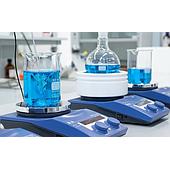
Air bubbles that form during stirring not only affect mixing efficiency but can also skew analytical results in some laboratory applications. Learn about the causes and effective ways to minimize them
Air bubbles that form during stirring not only affect mixing efficiency but can also skew analytical results in some laboratory applications. Learn about the causes and effective ways to minimize them
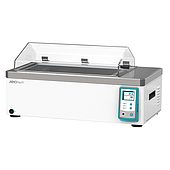
Circulating baths are widely used in chemical, biological, pharmaceutical, material research, and calibration laboratories. Their function extends beyond heating; they are designed to maintain a stable temperature throughout the entire working area. When temperature uniformity deteriorates, samples placed in different locations within the bath may be exposed to different thermal conditions, affecting the reliability of test results.
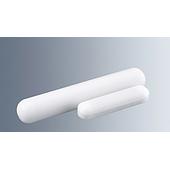
If the magnetic stir bar rotates weakly, easily swings away, or no longer creates the same swirling motion as before, has it lost its magnetism? Find out the causes, how to check, and the appropriate solutions.
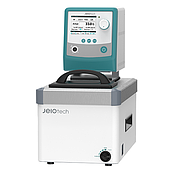
The performance of a high-temperature circulating bath depends on more than just heating power and controller accuracy. The heat transfer fluid plays a critical role in determining heat transfer efficiency, temperature stability, and the overall reliability of the system.
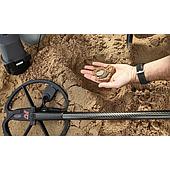
Two metal detectors may have fairly similar specifications, but their field results can differ significantly. Some devices operate stably on park ground, while others exhibit significant interference when moved to red basalt soil or coastal areas
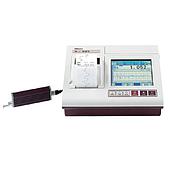
Bearings are critical components in most industrial power transmission systems. Their service life is typically determined by factors such as load, rotational speed, lubrication conditions, and the operating environment. In addition to these well-known factors, the surface quality of the mating interfaces between the bearing and the shaft or housing also has a direct impact on the durability and reliability of the entire drive assembly.
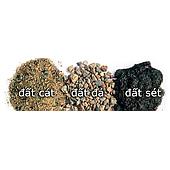
Even with the same device and the same object, the detection results are not always the same. In some areas, the signal is clearly visible from a considerable distance, while in other areas, the probe must be brought close to the ground to receive a response.
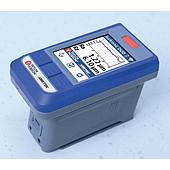
Paint gloss meters are widely used in quality control departments, material testing laboratories, and paint production facilities. These instruments measure the amount of light reflected from a coated surface, helping manufacturers maintain consistency between production batches and meet appearance-related quality standards.
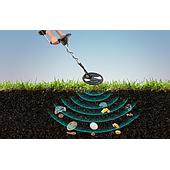
The 10 million VND price range is always among the most searched-for budgets when choosing to buy a metal detector. This is a reasonable investment to access branded equipment, while still being suitable for beginners or individual users
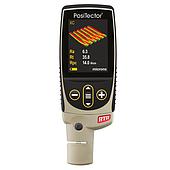
Gloss meters are widely used in metal fabrication, engineering plastics, industrial coatings, and many other surface-finishing applications. While all gloss measurements are based on the same principle of light reflection, the interpretation of results can vary significantly depending on the material being tested. Each material interacts with light differently due to its surface characteristics and manufacturing process. Understanding these differences is essential for selecting the appropriate measurement angle, obtaining reliable readings, and evaluating product quality accurately.
Get exclusive volume discounts, bulk pricing updates, and new product alerts delivered directly to your inbox.
By subscribing, you agree to our Terms of Service and Privacy Policy.
Direct access to our certified experts