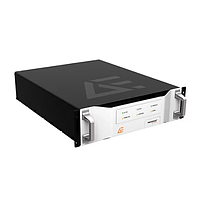
Plasma Power Supply
Stable plasma generation depends on more than raw wattage. In industrial coating, semiconductor processing, surface activation, and laboratory integration, the power stage has a direct impact on ignition behavior, process repeatability, thermal load, and overall system control. This is why engineers looking for a Plasma Power Supply typically compare not only output range, but also frequency, interface options, cooling method, and how the unit fits into the broader power architecture of the machine.
This category brings together power sources and related plasma hardware used across low-power handheld treatment through to high-power remote plasma processes. The range includes RF plasma generators, remote plasma sources, and compact units for specialized treatment tasks, with strong representation from Advanced Energy and selected solutions from EPCOS.
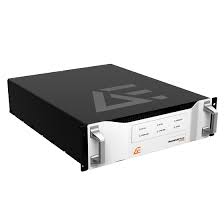
Where plasma power supplies are used
Plasma systems are selected when a process requires controlled energy transfer to a gas for cleaning, activation, etching, deposition, or surface modification. In production environments, the power supply must support consistent plasma conditions so that downstream results remain predictable across changing loads, gas compositions, or chamber conditions.
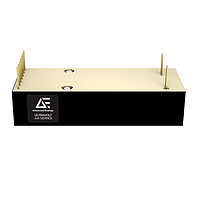
Depending on the application, the required platform may look very different. A handheld unit such as the EPCOS B54324D5120A140 Plasma handheld device is suited to localized surface treatment, while higher-power remote plasma platforms are typically integrated into process equipment for chamber cleaning or reactive gas delivery. For users also evaluating adjacent power platforms, categories such as high voltage DC power supplies can be relevant when comparing electrical architecture across the system.
Main product types in this category
A practical way to read this category is by separating plasma generators from remote plasma sources. Plasma generators primarily provide controlled RF or MF/VHF power for plasma processes, while remote plasma sources combine plasma generation with a process-oriented source design intended for downstream delivery of activated gases.
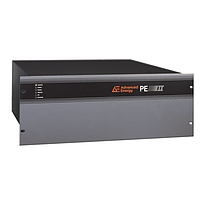
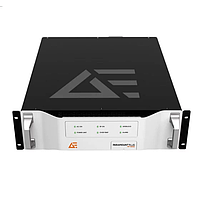
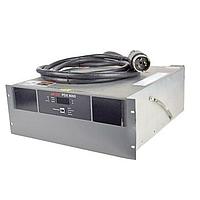
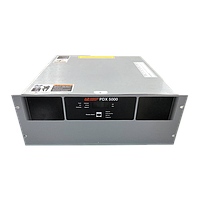
Examples of generator-based solutions include the Advanced Energy PDX 5000 RF Plasma Generator and PDX 8000 RF Plasma Generator, which are intended for controlled RF output in demanding industrial environments. The Advanced Energy Paramount Plus VHF RF Plasma Generator and Paramount Plus MF RF Plasma Generator extend this concept with different frequency classes and interface options that can be useful in automated equipment integration.
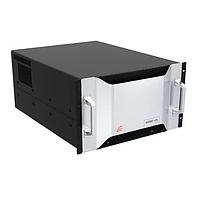
For remote-process configurations, models such as the Advanced Energy Litmas RPS LB-3001, Limas RPS LB-4001, Rapid OX, and Xstream series are better aligned with chamber cleaning, reactive etching, and deposition-related process flows. These systems are typically chosen when the application depends on remote dissociation and controlled delivery rather than direct local treatment alone.
How to choose the right plasma power supply
The first selection factor is the process objective. Surface activation, downstream chamber cleaning, reactive etching, and deposition support very different electrical and mechanical requirements. Output power range is important, but it should be considered together with operating frequency, supported gases, cooling requirements, and the type of load the system is expected to see during normal operation.
Integration requirements are equally important. Some systems need analog control only, while others benefit from serial or fieldbus-style communication for tighter equipment control. Products in this category include examples with interfaces such as RS-232, analog connectivity, Ethernet, DeviceNet, Profibus, or EtherCAT, which can simplify PLC or tool-level integration depending on the platform.
Engineers should also review facility constraints early in the selection process. AC input format, single-phase or three-phase availability, water or air cooling, rack or bench installation, and ambient operating conditions can quickly narrow the shortlist. If the wider project also requires conventional source hardware outside the plasma stage, it may help to compare related options in AC power supply solutions as part of the complete system design.
Examples from Advanced Energy and EPCOS
Advanced Energy appears prominently in this category because its portfolio covers several plasma power architectures. The PDX series addresses RF plasma generation in substantial power ranges, while the Paramount Plus family offers additional flexibility across MF and VHF operation. These types of platforms are commonly evaluated when users need controllable plasma delivery with integration-ready communications and industrial cooling options.
For remote source applications, the Xstream 8kW and Xstream 10kW models illustrate the higher-power end of the category, while the Rapid OX and Litmas/Limas units provide alternatives for specific remote plasma process needs. In contrast, EPCOS is represented by a compact handheld treatment device intended for localized treatment tasks, showing that this category is not limited to large chamber-based systems.
The result is a product group that spans from portable treatment hardware to fixed-installation plasma sources. That breadth is useful for buyers who need to compare not just one device, but the right plasma power strategy for a process line, lab setup, or OEM integration project.
Electrical and system considerations
In plasma applications, electrical compatibility is rarely an afterthought. Input voltage, line frequency, current demand, and cooling design affect both installation planning and long-term stability. High-power RF units and remote plasma sources often require three-phase input and water cooling, while smaller treatment devices may be designed for simpler mains connection and lighter-duty operation.
Control resolution and repeatability also matter. A plasma process can be sensitive to reflected power, tuning behavior, gas conditions, and ignition windows, so the supply must work predictably under real process loads rather than only under nominal conditions. This is one reason buyers often compare plasma products against more general-purpose source categories such as high power DC supplies over 1 kW when mapping total utility and cabinet requirements.
Role in OEM integration and maintenance planning
For machine builders and maintenance teams, selecting a plasma power supply is also a lifecycle decision. Beyond initial performance, the practical questions include connector style, communication method, service access, cooling infrastructure, and how easily the unit can be integrated into an existing enclosure or rack. Units intended for continuous industrial duty are often evaluated on how smoothly they fit into established automation and utility standards.
Maintenance planning should also consider application-specific wear, gas compatibility, and process cleanliness. Remote plasma systems used for downstream chamber cleaning or reactive gas activation may sit at the center of a broader process module, so replacement strategy and uptime planning can be just as important as nominal power range.
What buyers usually compare before ordering
Most B2B buyers narrow their selection using a few core questions:
- Is the application based on direct treatment, RF generation, or a remote plasma process?
- What output power and frequency range are needed for stable operation?
- Does the system require analog control only, or broader communication support?
- Are the available utilities compatible with the unit’s AC input and cooling requirements?
- Will the supply be installed as part of a new OEM build or as a replacement in an existing system?
Answering these points early helps separate portable and low-power options from higher-power industrial platforms. It also makes it easier to identify whether a generator, a remote plasma source, or a related power technology is the more suitable path.
Final considerations
A suitable plasma power supply supports more than ignition; it supports process control, equipment integration, and stable long-term operation. Whether the requirement is a compact handheld treatment device or a high-power remote plasma source for cleaning, etching, or deposition-related duties, the right choice usually comes from matching the electrical platform to the actual process behavior.
Use this category to compare plasma power solutions by application type, integration needs, and operating range. When the specification set is aligned with the process instead of selected by power rating alone, it becomes much easier to build a reliable and maintainable plasma system.
Get exclusive volume discounts, bulk pricing updates, and new product alerts delivered directly to your inbox.
By subscribing, you agree to our Terms of Service and Privacy Policy.
Direct access to our certified experts