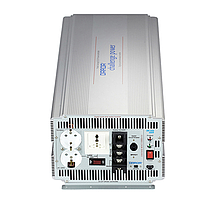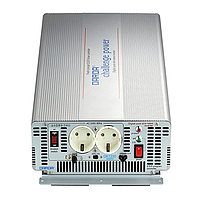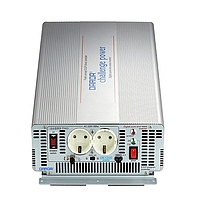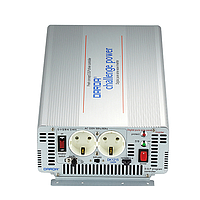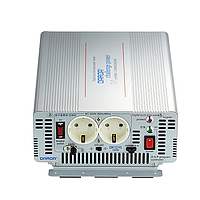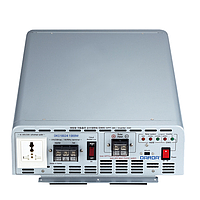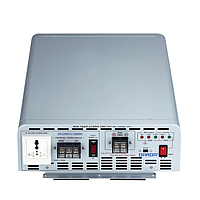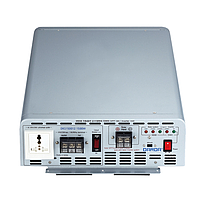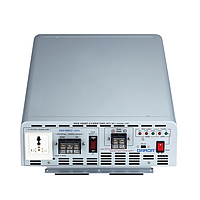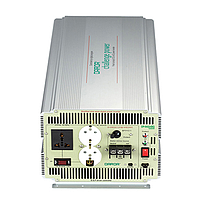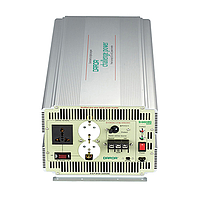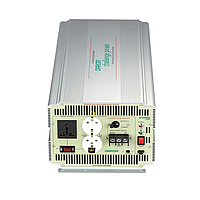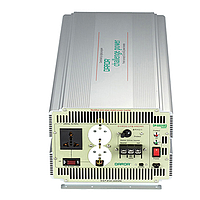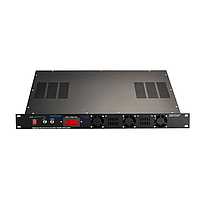
DC-AC Inverter
When a system relies on batteries, solar storage, or another DC source, the quality of the AC output becomes critical for stable operation. Choosing the right DC-AC Inverter is not only about matching wattage; it also involves waveform quality, input voltage compatibility, protection features, and the type of load the inverter will support in daily use.
This category brings together inverter solutions used in backup power, standalone energy systems, and industrial or commercial applications where DC energy must be converted into usable AC power. The range includes compact pure sine wave units, solar-ready inverter designs, and higher-capacity models for more demanding loads.
Where DC-AC inverters are typically used
In practical installations, inverters are used wherever the available power source is direct current but the connected equipment requires alternating current. This is common in battery banks, off-grid systems, mobile power setups, energy backup configurations, and selected industrial control environments.
Depending on the application, the load may be sensitive electronics, lighting, communication devices, pumps, tools, or general-purpose AC equipment. In these cases, output stability and waveform quality are often more important than headline power alone, especially when the inverter runs continuously or supports varying startup loads.
How a DC-AC inverter works
An inverter converts DC input from a battery or similar source into AC output at a defined voltage and frequency. Internally, this process involves power switching components, a control stage, and filtering that shapes the output for the connected load.
The core principle is straightforward: the inverter alternates the direction of current electronically to create an AC waveform. In higher-quality designs, this process is controlled carefully enough to produce a pure sine wave, which is generally more suitable for sensitive devices and equipment that depend on clean, stable power.
Key selection factors before choosing a model
The first point to verify is the DC input side. Many systems are built around 12V or 24V battery configurations, so the inverter must match the actual source voltage. A mismatch here can prevent normal operation or reduce system reliability.
The second point is continuous output power versus surge demand. Loads with motors, compressors, or startup peaks may require an inverter that can handle short-term overload above its nominal rating. For buyers comparing broader power conversion options, it can also be useful to review AC power supply solutions or a high power DC supply when the application is not strictly battery-to-AC conversion.
Another important factor is waveform. Pure sine wave output is commonly preferred where equipment sensitivity, efficiency, or long operating hours matter. Protection features such as low battery cutoff, overload protection, short-circuit response, and thermal control also help reduce downtime and support safer operation in real installations.
Product examples in this category
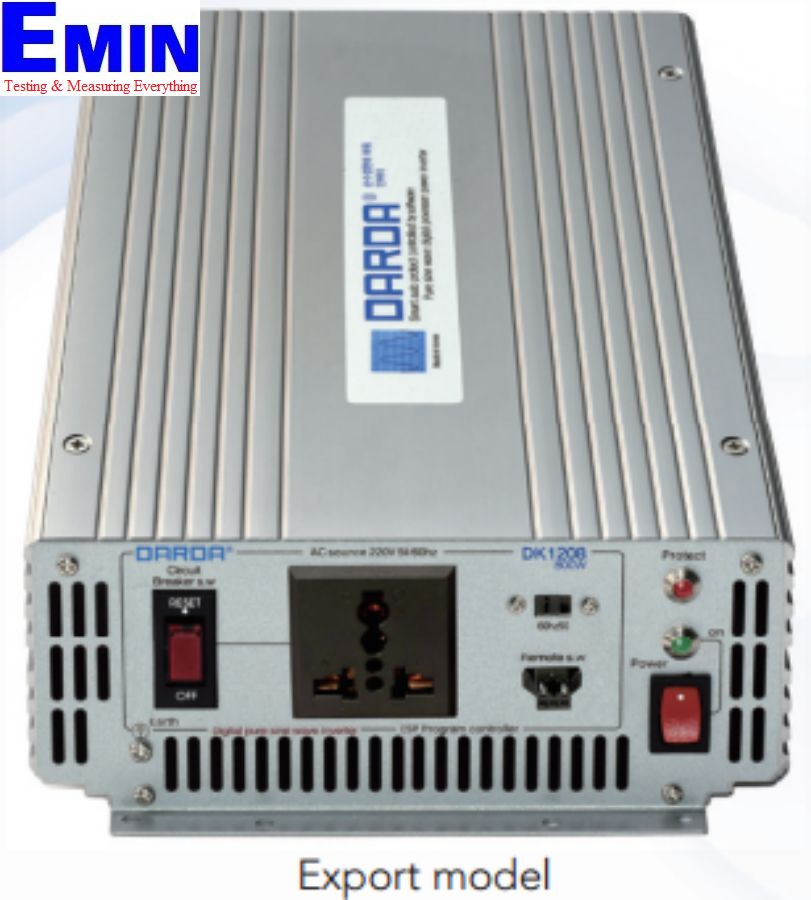
Several models in this range illustrate the variety of inverter applications. For compact and battery-based systems, PNKHITECH offers pure sine wave units such as the PNKHITECH DK1220NA and DK1212A, both suited to DC-to-AC conversion where stable output is required from a low-voltage DC source.
For 24V systems with integrated solar charging capability, models such as PNKHITECH DKS150024, DKS200024, and DKS300024 show how an inverter can be part of a broader energy solution rather than a standalone converter. Buyers looking for more from this brand can also explore the PNKHITECH product range for related power conversion equipment.
In the backup and residential energy segment, SCHNEIDER Homaya Pro models such as AEH-SP01-S3000, AEH-SP01-S4000, and AEH-SP01-S6000 represent higher-capacity sine wave options. OKAYA also appears in this category with inverter solutions such as the Invostar 1850/24V and Invoster 2530/24V, which fit battery-supported AC output applications.
Pure sine wave vs application-driven output quality
Not every load responds the same way to inverter output. Resistive loads may tolerate wider variation, but electronics, chargers, communication equipment, and some motor-driven devices generally benefit from a cleaner waveform. This is why output waveform remains one of the most important specifications when selecting an inverter for long-term use.
Many featured products in this category are described as pure sine wave models, which makes them more appropriate for systems where output quality directly affects performance or equipment life. In practice, this can mean smoother operation, lower risk of abnormal noise or overheating, and better compatibility with mixed AC loads.
Inverters for industrial and higher-power environments
Although many DC-AC inverters in this category are intended for battery and backup systems, the wider inverter landscape also includes drive-oriented equipment for three-phase applications. For example, the LS SV0370IS7-2SO inverter is positioned in a different application context, where voltage and frequency control are part of motor and industrial power management rather than standalone battery inversion.
This distinction matters during selection. A backup inverter, a solar inverter, and a motor-drive inverter may all be described with similar terminology, but their purpose, control method, and installation logic are not the same. If your project involves regulated DC sourcing ahead of conversion stages, a DC power supply adjustable up to 1KW may also be relevant for testing, prototyping, or bench setup.
What to check in real-world deployment
Before installation, it is worth confirming a few practical points: battery voltage, cable sizing, expected runtime, ambient temperature, and the actual type of load connected to the inverter. Even when rated power looks sufficient on paper, startup current, duty cycle, and ventilation conditions can change the performance of the system in the field.
It is also useful to think in terms of the full power path rather than the inverter alone. Input protection, charging method, output distribution, and maintenance access all influence long-term reliability. In systems that combine storage and conversion, system compatibility is often more valuable than selecting the largest nominal power rating available.
Choosing the right DC-AC inverter for your application
This category is suitable for buyers who need reliable AC output from DC energy sources across backup, solar-assisted, and standalone power systems. The available range covers different voltage platforms, output capacities, and use cases, from compact pure sine wave units to larger solutions intended for more demanding loads.
If you are comparing options, focus on the real application: source voltage, waveform requirement, continuous load, surge demand, and whether charging or solar integration is needed. A well-matched inverter solution will support stable operation, better load compatibility, and a more practical power architecture over time.
Get exclusive volume discounts, bulk pricing updates, and new product alerts delivered directly to your inbox.
By subscribing, you agree to our Terms of Service and Privacy Policy.
Direct access to our certified experts