Control & Monitoring
Reliable automation depends on more than a single controller or sensor. In real industrial systems, operators also need clear status feedback, dependable switching, position confirmation, timing, and signal handling to keep equipment running safely and consistently. That is where Control & Monitoring products play an important role across panels, machines, utilities, and process installations.
This category brings together devices used to observe operating conditions, transmit status, switch circuits, and verify mechanical movement. It is relevant for OEM machine builders, panel integrators, maintenance teams, and plant engineers who need practical components for both basic control tasks and more demanding industrial environments.
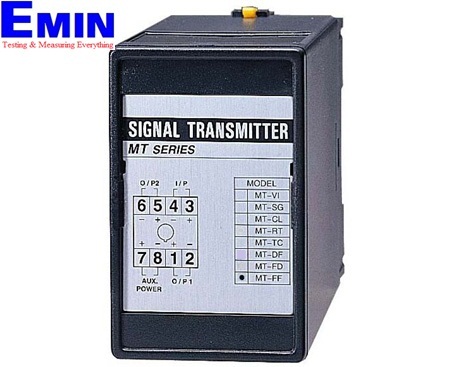
Where control and monitoring devices are used
In industrial applications, control and monitoring hardware supports the connection between field equipment and decision-making logic. These products are commonly used to track valve position, confirm actuator travel, energize loads, provide local indication, and help operators understand whether a machine or process is in the expected state.
Typical use cases include manufacturing lines, water treatment systems, HVAC equipment, process skids, utility panels, and hazardous-area installations. Depending on the task, the priority may be fast switching, visible indication, enclosure protection, or compatibility with standard control signals such as 4 to 20 mA.
Core product types in this category
The Control & Monitoring range can include several functional groups, from relay-based switching to position sensing and visual status indication. Some applications are simple, such as energizing a circuit or confirming a limit state, while others require continuous feedback from moving equipment like valves and actuators.
For example, relay products such as OMRON MY4N-GSDC24 Relays are relevant where a compact electromechanical switching device is needed in a control panel. In motion-related applications, position sensors and position indicators help confirm equipment status in a more direct and application-specific way.
Position monitoring for valves and actuators
One of the strongest themes in this category is position monitoring. In many plants, knowing whether a valve, damper, or actuator has reached the intended position is essential for interlocking, sequencing, and operator visibility. Devices designed for this purpose can provide local indication, switch outputs, or transmitter-style feedback depending on the installation.
Dwyer examples in this category illustrate that range well. Products such as the Dwyer DT1060 and DT1160 position sensors are intended for position detection, including demanding environments where sealed construction and hazardous-area suitability matter. For rotary or linear valve applications, models such as Dwyer 42VD0-J1, 44VD0-J1, 14VD0-J1, and 15VD0 show how position indicators can support visual status and switching functions around actuators.
Where analog feedback is needed, some versions such as Dwyer 45VD0 or Dwyer 15VD0 combine switching with transmitter or potentiometer-based output. This is useful when the control system needs more than a simple open/closed indication and instead requires a scalable signal for remote monitoring.
How relays fit into control and monitoring systems
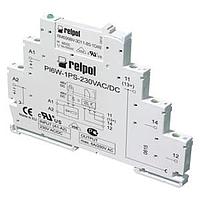
Relays remain a practical building block in many automation panels. They are often used to isolate control signals, switch loads, create interposing logic, or provide visible status through an indicator-equipped form factor. Even in systems with PLCs and smart devices, relays still serve as a simple and serviceable interface between command signals and field loads.
The OMRON MY4N-GSDC24 is a useful example for general panel work, with a 24 VDC coil and multi-contact configuration that suits a range of switching tasks. Users comparing relay options may also want to review the broader OMRON offering when standardization, maintenance familiarity, or panel component consistency is important.
What to consider when selecting control and monitoring hardware
Selection should begin with the actual function required in the system. A relay for panel switching, a sensor for point detection, and a valve position indicator for actuator feedback solve different problems, even though they all fall under the same general category. Defining the expected output type, mounting method, environment, and control interface will narrow the options quickly.
Common selection factors include:
- Output type: dry contact, switch output, potentiometer output, or 4 to 20 mA signal
- Application movement: rotary or linear motion, point sensing, or full travel indication
- Electrical compatibility: supply voltage, load current, and control panel interface
- Environmental protection: weather exposure, washdown risk, or hazardous-area requirements
- Maintenance needs: visibility, replaceability, wiring method, and long-term serviceability
In industrial environments, enclosure rating and compliance details can be just as important as basic functionality. Several Dwyer models listed here are intended for weatherproof or hazardous locations, which can make a major difference in chemical processing, oil and gas, utilities, and outdoor installations.
Manufacturer landscape and application fit
This category includes products from recognized industrial suppliers with different strengths across automation and instrumentation. Dwyer is especially relevant where process visibility, valve indication, and field-mounted monitoring devices are required. OMRON is a familiar choice for control-panel switching and automation components used in machine and industrial control systems.
Depending on project needs, buyers may also compare offerings from manufacturers such as Autonics for automation-focused components, along with other established names in control and monitoring. The right brand choice often depends less on marketing preference and more on electrical standards, mounting style, maintenance practice, and compatibility with the wider system design.
Choosing between simple indication and richer feedback
Not every installation needs the same level of information. In some cases, a basic switch status is enough to confirm that a mechanism has reached a set point. In others, operators need local visual indication plus remote signal transmission to a PLC, DCS, or SCADA layer.
This distinction matters when comparing products in the category. A position sensor with a fast switch response may be appropriate for discrete confirmation, while a position indicator with analog output can support trend monitoring, control loop visibility, and more detailed diagnostics. Matching the device capability to the real control requirement helps avoid both under-specifying and overcomplicating the installation.
Why this category matters in industrial procurement
Control and monitoring products are often small compared with major machinery, but they influence uptime, safety logic, troubleshooting speed, and operator confidence. A well-chosen relay, position sensor, or indicator can simplify commissioning and make faults easier to identify in the field.
For B2B buyers, the value of this category lies in building a dependable system from compatible components. Whether the need is panel switching, hazardous-area sensing, or valve status feedback, reviewing the available options by function and environment will lead to a more suitable selection. If your application involves machine automation, process equipment, or actuator monitoring, this category provides a practical starting point for specifying the right devices.
Get exclusive volume discounts, bulk pricing updates, and new product alerts delivered directly to your inbox.
By subscribing, you agree to our Terms of Service and Privacy Policy.
Direct access to our certified experts