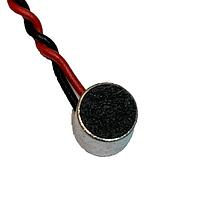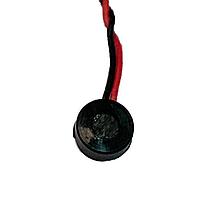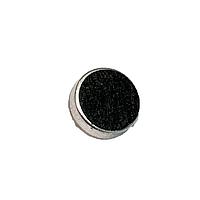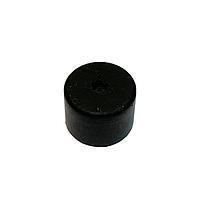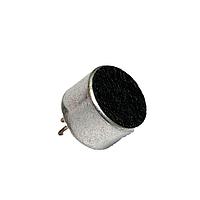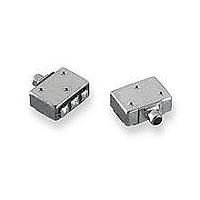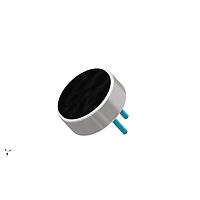
Microphones
Clear acoustic input is essential in modern electronics, from compact voice-enabled devices to industrial equipment that relies on sound capture for monitoring, communication, or user interaction. When selecting microphone components for design and sourcing, engineers usually need more than a simple parts list—they need a category view that helps connect performance, integration, and application fit.
Microphones in the audio sensor ecosystem are used to convert sound waves into electrical signals that can be processed, transmitted, or analyzed by downstream electronics. For B2B buyers, developers, and design teams, this category is relevant wherever speech pickup, ambient sound detection, acoustic event monitoring, or embedded audio capture is part of the system architecture.
Where microphone components are commonly used
Microphone technology appears in a wide range of embedded and electronic products. Typical use cases include voice interfaces, portable electronics, communication equipment, smart devices, security products, and control systems that need reliable sound acquisition in a compact footprint.
In many projects, the microphone is not an isolated part but one element in a broader sensing chain. It may feed a codec, amplifier, microcontroller, DSP, or edge processing platform depending on whether the goal is speech recognition, audio logging, sound level detection, or event triggering. That is why category selection often starts with the application environment rather than the component alone.
Key considerations when choosing a microphone
The right choice depends on how the end product will capture and use sound. Teams typically review factors such as form factor, signal type, placement constraints, sensitivity expectations, and how the device will perform in the intended acoustic environment.
Another important point is the relationship between the microphone and the rest of the design. Mechanical housing, venting, PCB layout, shielding, and power architecture can all affect real-world results. In practice, a microphone with suitable baseline characteristics still needs to be evaluated in the target enclosure to confirm that the final system delivers stable and usable audio performance.
Understanding microphone technologies in system design
In electronic design workflows, microphones may be selected based on package style, output method, and intended processing path. Some projects prioritize compact digital integration, while others prefer analog signal handling for custom front-end design. The category therefore supports both straightforward implementation and more specialized acoustic engineering needs.
For applications that also require motion-aware or miniaturized sensing architectures, it can be useful to compare related technologies such as MEMS audio sensing solutions. This broader context helps engineers decide whether the priority is size efficiency, environmental robustness, integration convenience, or compatibility with the rest of the embedded platform.
Manufacturers commonly considered in this category
Procurement and engineering teams often look first at suppliers with established positions in embedded electronics and sensing. In this category, brands such as Knowles, Cirrus Logic, PANASONIC, STMicroelectronics, TDK InvenSense, Infineon, and TE Connectivity are frequently part of the evaluation process depending on the project scope and interface requirements.
Some buyers may also review broader electronics portfolios from companies such as Advantech when microphone integration is part of a larger industrial or embedded computing solution. The most suitable source usually depends on whether the project emphasizes compact consumer-style electronics, industrial integration, low-power embedded design, or platform-level compatibility.
How microphones fit into the wider audio sensor landscape
Microphones are often evaluated alongside related sensing and audio input components, especially when a design needs to balance signal quality, board space, and processing requirements. In practical sourcing terms, this category serves as a focused entry point for sound capture components, while nearby categories help narrow the architecture around them.
If your project includes comparison across acoustic input options, browsing the broader audio sensor range can help clarify whether a standard microphone category is the best fit or whether a more specialized sensing approach is appropriate. This is especially useful during early-stage design, when the acoustic task itself is still being defined.
Selection priorities for OEM and B2B purchasing teams
For OEM procurement, microphone sourcing is rarely based on a single parameter. Teams usually assess long-term availability, integration effort, assembly compatibility, and whether the part can support the product lifecycle from prototype to production. These practical factors often matter just as much as the acoustic specification itself.
It is also common to review environmental and product-level constraints before shortlisting parts. Board density, enclosure thickness, mounting direction, and expected operating conditions can influence the decision significantly. A well-chosen audio sensor should support both the electrical design and the mechanical realities of the finished product.
Microphones for embedded development and product scaling
As devices become more interactive and data-aware, microphones continue to play a growing role in embedded product development. They support everything from voice command interfaces and user feedback systems to remote diagnostics and context-aware sensing. This makes early component selection important, especially when future firmware features may expand how audio data is used.
For design teams moving from concept to production, reviewing the available microphone options with system-level requirements in mind can reduce redesign risk later in the cycle. A strong shortlist should align acoustic performance, package integration, and supply chain practicality rather than focusing on one factor alone.
Final thoughts
Choosing the right microphone component starts with understanding how sound will be captured, processed, and used inside the final product. Whether the priority is compact embedded integration, voice pickup, or dependable sound sensing in electronic equipment, this category helps narrow the search toward parts that fit real engineering constraints.
By comparing device role, integration path, and supplier ecosystem, buyers can make more confident decisions and build a more reliable acoustic front end. A careful approach to microphone selection supports not only better audio input, but also smoother development, sourcing, and long-term product maintenance.
Get exclusive volume discounts, bulk pricing updates, and new product alerts delivered directly to your inbox.
By subscribing, you agree to our Terms of Service and Privacy Policy.
Direct access to our certified experts