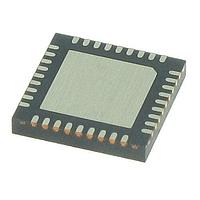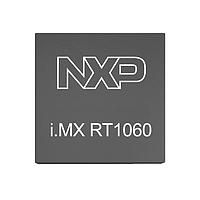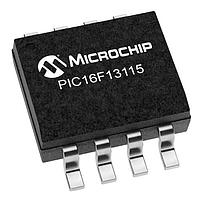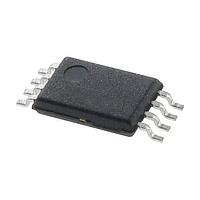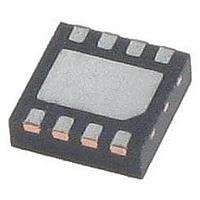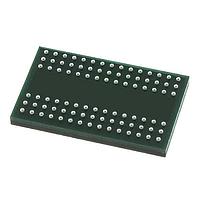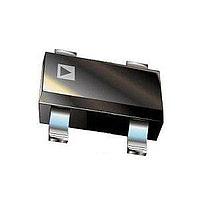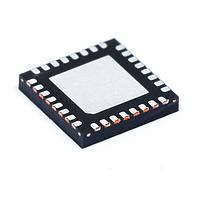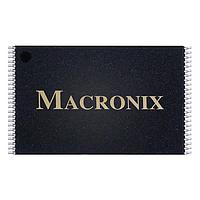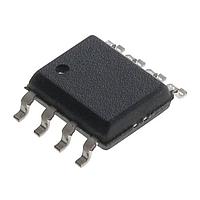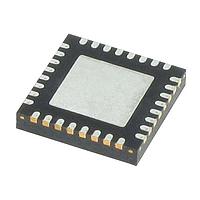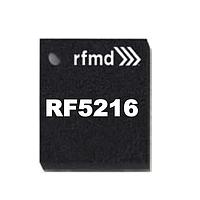
Semiconductors Components
Modern electronic design depends on reliable building blocks that can process signals, manage power, support communication, and enable embedded control. For engineers, buyers, and technical sourcing teams, choosing the right Semiconductors Components category means balancing electrical requirements, system architecture, lifecycle considerations, and integration with the rest of the hardware stack.
This product area supports a wide range of industrial, embedded, automation, and development applications. Whether the goal is to prototype a controller, maintain production equipment, or source parts for volume assembly, semiconductor-related components sit at the center of board-level design and system performance.
Where semiconductor components fit in an electronic system
Semiconductor components are fundamental to how electronic equipment senses, computes, regulates, and communicates. In practical terms, they are used to convert analog inputs, support digital logic, handle data transfer, regulate voltage, and drive intelligent functions across devices ranging from compact modules to larger industrial platforms.
Because these parts rarely operate alone, selection should be viewed in the context of the complete design. Items in this category are typically specified alongside connectors, power-related parts, and protection devices to ensure that the final assembly is electrically sound and mechanically suitable for the target environment.
Typical use cases across industrial and embedded projects
In B2B environments, sourcing decisions are often driven by application needs rather than by part type alone. Semiconductor components may be used in embedded controllers, sensor interfaces, communication boards, data acquisition hardware, HMI-related electronics, and custom automation assemblies. They are equally relevant in R&D, pilot production, field repair, and ongoing maintenance purchasing.
For development-focused workflows, brands such as Arduino and Adafruit are commonly associated with fast prototyping ecosystems and hardware experimentation. In more performance-oriented or industrial contexts, suppliers may also evaluate offerings connected to Advantech, AMD, Analog Devices, and Altera depending on the architecture, processing needs, and integration level required by the project.
How to evaluate the right semiconductor components
A good shortlist starts with the electrical and functional role of the part inside the system. Buyers and engineers typically review operating voltage, signal type, interface compatibility, thermal behavior, package constraints, and expected environmental conditions. Even when detailed specifications are reviewed elsewhere on the product page, these practical filters help narrow down options quickly.
It is also important to think beyond the individual component. Availability, design maturity, replacement planning, and compatibility with surrounding hardware can have a direct impact on procurement risk. In many cases, teams compare semiconductor choices together with circuit protection requirements and supporting interconnects so the full design remains robust during testing and deployment.
Manufacturer ecosystems and sourcing context
Different manufacturers often bring different strengths to a design workflow. Analog Devices is frequently considered in applications where precision signal handling and mixed-signal performance are important, while Amphenol and Amphenol FCI may become relevant when semiconductor selection is closely tied to board-to-board or cable interface strategy. AMD and Altera are often part of conversations around processing-intensive or programmable system design, depending on the broader architecture.
From a sourcing perspective, manufacturer ecosystem matters because it affects documentation quality, long-term platform consistency, and ease of integration with other hardware. Rather than focusing only on brand recognition, professional buyers usually look at fit-for-purpose selection, technical support expectations, and how naturally the component aligns with the rest of the bill of materials.
Selection factors that matter in procurement and engineering
When comparing options in this category, several practical criteria tend to matter most. The first is application alignment: the part should match the intended function without overcomplicating the design. The second is supply continuity, especially for repeat builds, service inventory, and production planning.
Another key factor is physical and system integration. Package style, mounting approach, thermal management needs, and interface compatibility all influence assembly efficiency and long-term reliability. Teams working on repair benches or prototype stations may also source related items from kits and tools categories to support handling, testing, and installation during development or maintenance.
Why category-level sourcing helps streamline project planning
Browsing at the category level can be more effective than searching for a single part number too early in the process. It allows engineers and purchasers to compare solution paths, identify compatible component families, and understand how a semiconductor choice may affect adjacent design decisions. This is especially useful when the final specification is still evolving or when equivalent options need to be reviewed.
Category-driven sourcing also supports cross-functional collaboration. Engineering teams can define technical priorities, while procurement teams assess stock strategy, approved brands, and long-term purchasing practicality. That shared view helps reduce redesign risk and improves consistency from prototype through production.
Building a more complete components strategy
Semiconductor components are only one part of a dependable electronics supply chain. In real projects, they are selected together with power sources, interconnects, support hardware, and application-specific materials. For portable or backup-powered systems, related sourcing may also extend to the battery category, depending on how the end device is powered and deployed.
A more complete strategy considers not just what works electrically, but what can be assembled, maintained, and replenished efficiently over time. That is why many B2B buyers evaluate this category as part of a larger design and procurement framework rather than as an isolated component search.
Final considerations
This category is most useful when approached with a clear understanding of system function, integration requirements, and procurement constraints. By reviewing semiconductor components in the context of the full application, buyers can make more informed decisions on compatibility, scalability, and long-term support.
If you are comparing options for embedded electronics, industrial hardware, or custom board-level development, this page can serve as a starting point for narrowing down relevant technologies and manufacturers. A careful category-level review often leads to faster part selection, fewer design compromises, and a more resilient sourcing process overall.
Get exclusive volume discounts, bulk pricing updates, and new product alerts delivered directly to your inbox.
By subscribing, you agree to our Terms of Service and Privacy Policy.
Direct access to our certified experts