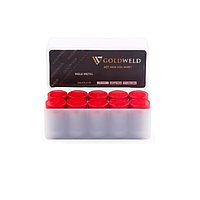
Thermal welding agent
Reliable grounding depends not only on conductors and electrodes, but also on how those elements are permanently connected in the field. In lightning protection and earthing systems, a thermal welding agent is used to create a molecular bond between conductors and grounding components, helping installers build low-resistance, long-lasting connections for demanding industrial environments.
This category focuses on consumables used in exothermic connection processes, especially for grounding grids, down conductors, earthing networks, and related bonding points. Whether you are maintaining an existing grounding system or specifying materials for a new installation, choosing the right welding charge is an important part of connection quality, repeatability, and site safety.
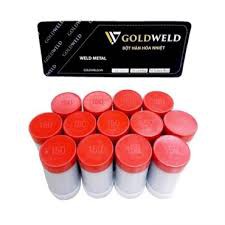
Where thermal welding agents are used
In practical installation work, thermal welding agents are commonly applied where a mechanical connection may loosen, corrode, or change performance over time. Typical use cases include joining copper conductors to grounding electrodes, connecting cable to busbars, bonding earthing networks, and forming permanent joints in external lightning protection systems.
Because these connections are often buried, exposed to weather, or installed in industrial areas, the objective is not only electrical continuity but also long-term stability. For that reason, the welding material must be matched correctly with the connection method and the mold used during the exothermic process.
Why the welding charge matters in grounding performance
The thermal welding agent provides the reactive material needed to produce the high-temperature connection during exothermic welding. When selected properly for the joint type and conductor size, it helps create a consistent bond that supports effective current dissipation and dependable earthing performance over time.
In grounding and lightning protection projects, connection integrity directly affects the overall system. A poor joint can increase resistance, reduce mechanical reliability, or create maintenance issues later. That is why installers typically consider the welding charge together with the conductor material, joint geometry, and the appropriate heat welding mold rather than treating it as an isolated consumable.
Goldweld options available in this category
This range includes products from Goldweld, a brand associated here with exothermic welding materials for grounding applications. The available charges cover several common sizes, giving buyers flexibility when matching the weld powder quantity to the required connection type and mold design.
Representative items in this category include Goldweld GW P-90 Exothermic Welding Powder (90g), GW P-115 (115g), GW P-150 (150g), GW P-200 (200g), and GW P-250 (250g). These products are typically selected according to the connection configuration rather than by weight alone, so the correct choice should always align with the intended joint and compatible tooling.
How to choose the right thermal welding agent
A good starting point is the actual connection you need to make: cable-to-rod, cable-to-cable, cable-to-flat conductor, or another grounding joint. Different geometries require different mold cavities and, in turn, different amounts of welding material. Selecting too little or too much charge can affect process consistency and may lead to rework in the field.
It is also useful to review the wider grounding assembly. If you are preparing a complete earthing system, the welding material should be considered together with the grounding rod, conductor layout, and soil-related performance requirements. In projects where soil resistivity is a challenge, installers may also evaluate supporting materials such as earth resistance reduction compounds as part of the overall design.
Selection points for industrial buyers and contractors
For B2B purchasing, it is often more practical to standardize by application type and crew workflow than to buy consumables one by one without a plan. Teams usually look for clear alignment between the welding powder size, mold reference, conductor type, and jobsite procedures. This reduces ordering errors and helps maintain consistent installation quality across multiple connection points.
Stock planning also matters. On larger projects, different connection points may require different powder sizes, so having access to a range such as 90g through 250g can help support varied field conditions. If the project also includes air termination components, it may be helpful to review related lightning rod equipment to ensure compatibility across the broader lightning protection system.
Good practice when using thermal welding consumables
Although the welding agent is a consumable, its performance depends heavily on correct installation practice. Clean conductor surfaces, a suitable mold condition, proper setup, and adherence to site safety procedures all contribute to a reliable result. In field applications, consistency is often achieved by using the specified materials and following a repeatable welding sequence.
It is also important to remember that the thermal welding agent is only one part of the connection system. The final quality of the bond depends on the interaction between the welding powder, the mold, the conductors, and the installer’s method. For that reason, technical buyers usually assess the complete exothermic welding workflow rather than comparing products only on pack size or naming.
Supporting long-term grounding system reliability
In many industrial and infrastructure settings, grounding connections are expected to remain in service for years with limited access after installation. A well-matched exothermic welding consumable helps support permanent bonding points that are suitable for harsh outdoor and buried environments, where long-term durability is a key concern.
If you are selecting materials for a new installation or replacement work, this category provides a focused range of thermal welding agents for grounding and lightning protection applications. By choosing the correct charge size and pairing it with the appropriate connection method, buyers can support safer installation work and more dependable earthing performance across the system.
Get exclusive volume discounts, bulk pricing updates, and new product alerts delivered directly to your inbox.
By subscribing, you agree to our Terms of Service and Privacy Policy.
Direct access to our certified experts