Lightning Rod Equipment
Protecting structures from direct lightning strikes starts with selecting the right air-termination components and matching them to the site’s risk profile. In industrial facilities, warehouses, telecom sites, commercial buildings, and utility installations, the choice of lightning rod equipment affects not only coverage area, but also how well the full protection system integrates with down conductors, grounding, and installation hardware.
This category focuses on equipment used at the interception point of a lightning protection system. It is intended for buyers who need a clearer view of product types, practical selection criteria, and the role of different models in real projects, whether for new installation, system upgrade, or replacement planning.
What this category is used for
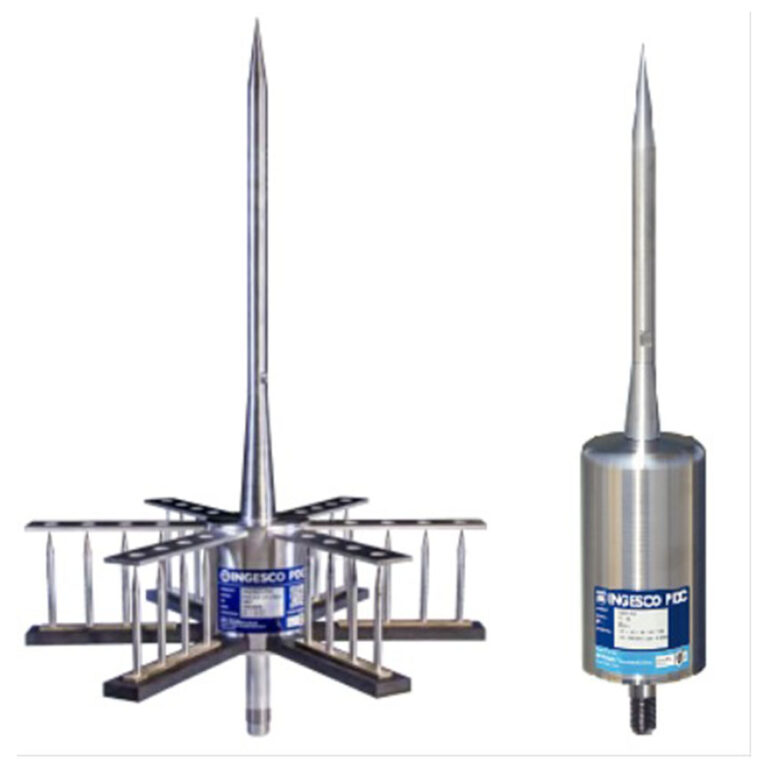
Lightning rod equipment is used to intercept lightning and direct the discharge safely into the rest of the protection system. In practice, this equipment is installed at exposed points such as rooftops, towers, elevated steel structures, process areas, and open facilities where strike risk must be managed in a controlled way.
On a category page like this, the main objective is not just to compare names or model codes. It is to understand which equipment is appropriate for the geometry of the structure, the required protection radius, and the broader installation environment. For many projects, the rod itself is only one part of the solution, working together with mounting parts, conductors, and a properly designed earth network.
Typical product range in this category
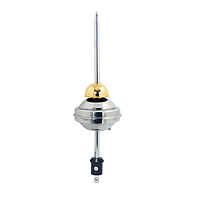
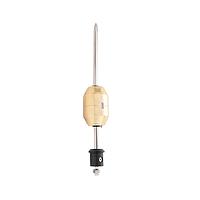
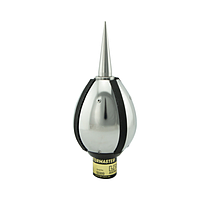
The products listed here illustrate a range of early streamer emission rod options from Zeus and Bakiral. These models are commonly selected when designers need different nominal protection radii depending on building size, roof layout, or the level of exposure at the installation site.
Examples include Zeus ZEUS ESE15 Lightning Rod, Zeus ZEUS ESE30 Lightning Rod, and Zeus ZEUS ESE60 Lightning Rod, alongside Bakiral ALFA S ESE15, ESE30, ESE50, ESE60, ESE60SJ, and ESE60SM variants. The available RP values shown in the product names help buyers quickly identify which models may fit smaller structures, medium coverage needs, or wider protection zones in larger installations.
Rather than treating these models as interchangeable, it is better to review them in relation to mounting height, protected area layout, and the complete system design. A rod with a larger stated protection radius may be suitable for broader coverage, but the final selection should still reflect the actual site conditions and engineering approach.
How to choose suitable lightning rod equipment
A good starting point is the required protection radius. For compact buildings or localized exposed points, models such as ESE15 or ESE30 may align with the project scope. For larger rooftops, industrial compounds, or areas with more demanding coverage requirements, buyers often review higher-range options such as ESE50 or ESE60 families.
The second factor is installation context. Roof-mounted systems, mast-mounted systems, and tower applications can impose different mechanical and layout requirements. Even when the rod model appears suitable on paper, the installation method, conductor routing, and grounding path should be checked together to avoid mismatches later in the project.
It is also useful to think in terms of system compatibility. Lightning interception performance depends on more than the air terminal alone. Supporting components such as mounting accessories, conductors, and earthing materials must all work together as part of a coordinated protection design.
Related components that matter in a complete system
In many real-world installations, buyers sourcing lightning rod equipment also need accessories and grounding materials to complete the job. If your project includes rod mounting assemblies or mechanical support items, it may be helpful to review related lightning protection rod accessories and equipment within the same procurement process.
The grounding side is equally important. A strike interception solution is only effective when discharge current can be transferred safely into earth through a well-designed path. For this reason, projects often pair air terminals with grounding rods and, where soil conditions require improvement, materials such as earth resistance reduction compound.
For installers working on exothermic or thermal jointing methods, connection quality can also affect long-term system reliability. In those cases, welded connection materials and molds may be part of the broader bill of materials, especially for permanent grounding network construction.
Comparing Zeus and Bakiral options
Both Zeus and Bakiral are represented in this category with multiple ESE rod options, giving buyers a practical range of choices by coverage rating. Zeus models shown here include ESE15, ESE30, and ESE60 versions, which can be useful when the project team wants a focused selection across common protection levels.
Bakiral offers a broader spread in the current listing, including ESE15, ESE30, ESE50, ESE60, plus ESE60SJ and ESE60SM variants with higher stated RP values. For procurement teams, this wider spread may be useful when comparing alternatives across several facilities or when standardizing on one manufacturer across different site sizes.
The right comparison is not only brand versus brand. A more practical evaluation looks at model range, stated protection radius, project layout, installation method, and compatibility with the rest of the lightning protection scheme.
Where these products are commonly applied
This category is relevant to a wide range of sectors where direct strike protection is part of facility safety and infrastructure resilience. Typical applications include factories, logistics centers, office buildings, schools, hospitals, telecom stations, power-related facilities, and other structures with exposed rooftop or mast-mounted installation points.
It can also be relevant in renovation projects where existing systems are being upgraded, expanded, or replaced. In these cases, buyers usually need to check whether the selected rod equipment fits the current support structure and whether the grounding network remains adequate for the revised protection design.
Practical buying considerations for B2B users
For contractors, EPC teams, and industrial maintenance buyers, product selection usually comes down to clarity, compatibility, and documentation. Start by narrowing the shortlist according to the target protection radius and the intended installation point. Then confirm whether the chosen model fits the structural arrangement and the rest of the protection system design.
It is also sensible to plan procurement by system group rather than by individual item. Ordering the air terminal first without checking grounding, connection method, and mounting details can slow down installation later. A coordinated approach helps reduce rework and supports more consistent implementation across multiple sites.
Final thoughts
Choosing the right lightning rod equipment is less about picking the highest-numbered model and more about matching the product to the real protection requirement. Coverage radius, installation conditions, and grounding integration should all be considered together so the lightning protection system performs as intended.
Whether you are comparing Zeus and Bakiral models for a single building or planning procurement for a larger facility portfolio, this category provides a practical starting point for reviewing available options and narrowing down suitable solutions with greater confidence.
Get exclusive volume discounts, bulk pricing updates, and new product alerts delivered directly to your inbox.
By subscribing, you agree to our Terms of Service and Privacy Policy.
Direct access to our certified experts