
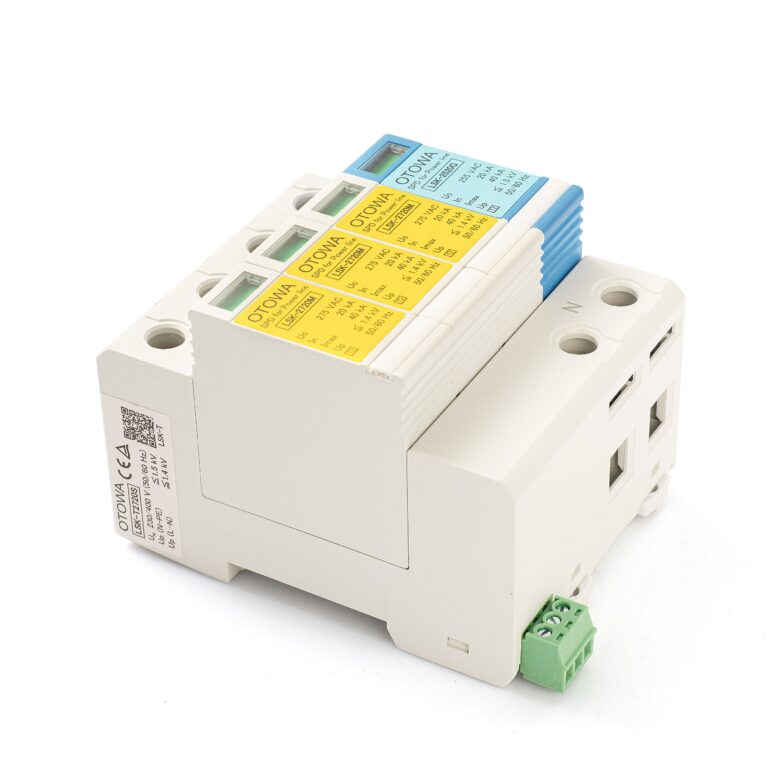
Lightning surge protection device
Unexpected overvoltage can damage controllers, communication lines, power supplies, and sensitive electronic equipment long before a major fault becomes visible. In industrial plants, building electrical systems, telecom installations, and infrastructure projects, selecting the right lightning surge protection device is an important step in reducing risk from transient events caused by lightning strikes, switching operations, or disturbances on the network.
This category brings together surge protection solutions used to protect electrical and electronic systems at key points in an installation. Whether the priority is safeguarding distribution panels, control cabinets, instrumentation loops, or connected automation devices, the right protective approach helps improve system reliability and supports more stable operation over time.
Why surge protection matters in real installations
Transient surges are typically very short in duration, but their impact can be significant. Even when equipment does not fail immediately, repeated exposure to overvoltage stress can shorten service life, create intermittent faults, and increase maintenance costs. This is especially relevant in facilities with automation systems, remote I/O, PLC cabinets, monitoring equipment, and communication interfaces.
A surge protection strategy is not only about protecting against direct lightning effects. It also helps address induced surges and switching transients that can appear in low-voltage networks. In practice, this makes surge protection a relevant consideration for both outdoor-exposed installations and indoor electrical systems with sensitive loads.
Where lightning surge protection devices are commonly used
These devices are widely applied in power distribution boards, machine panels, control systems, building services, renewable energy installations, data and communication networks, and industrial process environments. Any site with long cable runs, exposed incoming lines, or critical electronics can benefit from a more structured protection scheme.
In many projects, surge protection is only one part of a broader grounding and lightning protection design. For example, effective dissipation of transient energy also depends on the quality of the earthing system, the layout of conductors, and the coordination of protective components across the installation.
How to choose the right device for your application
Selection usually starts with the installation point and the type of circuit being protected. Power lines, control circuits, and signal lines do not face exactly the same electrical conditions, so the protection method should match the actual application. It is also important to consider the system voltage, the expected exposure level, and whether the device is intended for upstream distribution, sub-distribution, or protection close to the load.
Another practical factor is coordination with the rest of the site protection design. A surge device should not be viewed as a standalone accessory; it works best as part of a layered concept that includes proper bonding, grounding, conductor routing, and suitable installation practices. If you are building a complete grounding network, related components such as grounding rods may also be relevant depending on the project scope.
Integration with grounding and external lightning protection
Electrical protection performance is closely linked to the effectiveness of the earth termination system. A low-impedance path to ground helps the installation manage surge energy more effectively, while poor grounding can limit the benefit of protective devices. For this reason, surge protection should be evaluated together with bonding conductors, earth electrodes, and interconnection methods.
In applications that require a complete external lightning protection arrangement, surge devices are often used alongside elements such as lightning rod equipment. This broader view is especially useful for exposed buildings, towers, industrial sites, and infrastructure where both direct and indirect lightning effects need to be considered.
Related materials that support installation quality
The long-term effectiveness of a protection system also depends on installation quality and conductor connections. In grounding networks, reliable joints and stable electrical continuity are essential. Depending on the design method used on site, supporting materials such as heat welding molds and thermal welding agent may be part of the overall grounding and bonding workflow.
These supporting categories are not replacements for surge protection devices, but they can play an important role in the wider system. Good electrical contact, durable grounding connections, and consistent installation practice help the complete protection concept perform more predictably under real operating conditions.
What buyers typically compare on a category page
When evaluating options, technical buyers often look at the intended application, installation environment, and compatibility with existing electrical architecture. They may also compare mounting style, panel integration requirements, maintenance access, and how easily the device can be coordinated with upstream and downstream protection stages.
For B2B purchasing, the most useful approach is to begin with the protected system rather than the product alone. Identifying the type of load, exposure level, and site grounding condition usually leads to a more appropriate selection than focusing only on price or form factor. This is particularly important in projects where downtime, data loss, or controller damage can affect production continuity.
Choosing with a system-level perspective
Lightning surge protection devices are most effective when they are selected as part of a complete electrical protection strategy. Instead of treating surge protection as an isolated component, it is better to consider the full path of transient energy through the installation, from external exposure and incoming lines to bonding, grounding, and protection close to sensitive equipment.
If you are specifying equipment for an industrial facility, commercial building, infrastructure project, or technical upgrade, this category is a practical starting point for identifying suitable protection components. A clear understanding of the application, installation point, and grounding context will help you narrow down the right solution and build a more reliable system overall.
Get exclusive volume discounts, bulk pricing updates, and new product alerts delivered directly to your inbox.
By subscribing, you agree to our Terms of Service and Privacy Policy.
Direct access to our certified experts