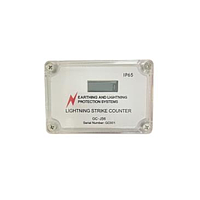
Lightning counter
In a complete lightning protection system, it is not always enough to install air terminals and grounding components alone. Many facilities also need a practical way to record strike events for inspection, maintenance planning, and system verification. A lightning counter helps maintenance teams monitor how often lightning activity has been captured by the protection path, giving useful operational context for industrial sites, buildings, towers, and infrastructure exposed to storm conditions.
Why lightning counters matter in protection systems
A strike recording device adds visibility to the performance of an external lightning protection installation. When a lightning event occurs, the counter is used to register the surge current passing through the down conductor path. This gives maintenance personnel a reference point when reviewing system condition after storms or when planning periodic inspections.
For many technical environments, the value of a counter is not only in the number displayed, but in the maintenance logic it supports. If a site has registered multiple events, engineers may decide to inspect conductors, connections, earthing interfaces, and exposed terminals more carefully. In this way, a lightning counter contributes to a more structured inspection and maintenance workflow rather than serving as a standalone protective device.
Typical applications and installation context
Lightning counters are commonly used in facilities where storm exposure and asset continuity are important. This may include industrial plants, telecommunications sites, energy-related infrastructure, commercial buildings, and technical installations with elevated structures. They are typically integrated into the external lightning path so that strike-related current can be registered when an event is conducted through the system.
In practice, a counter works best as part of a broader protection ecosystem. It is often considered alongside elements such as lightning rod equipment for interception and properly designed grounding components for safe current dissipation. The recorded event count then becomes a useful maintenance indicator within the wider lightning protection strategy.
What to consider when selecting a lightning counter
Choosing the right device depends first on system compatibility and installation method. Buyers typically evaluate where the counter will be mounted, how it will be read during maintenance visits, and whether the device suits the physical and environmental conditions of the site. Ease of inspection is important, especially for installations where regular preventive maintenance is already part of facility management routines.
It is also useful to think about the counter as part of the full earthing and conductor path. If the site is being upgraded or newly installed, related materials such as grounding rods and conductor connection methods should be considered together. A well-planned system makes the strike record more meaningful because the device is installed within a properly engineered protection route.
Example product in this category
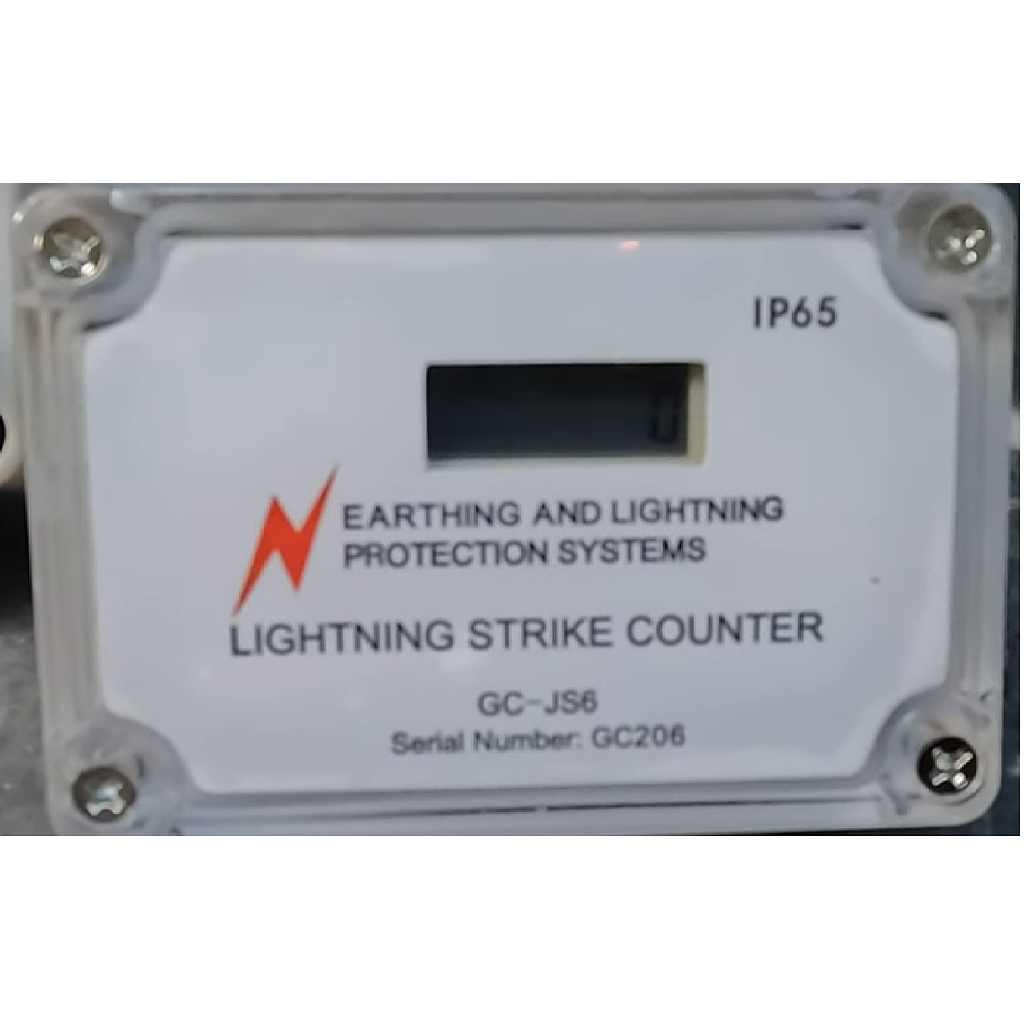
One representative option in this category is the Goldweld GC-JS6 Lightning counter. This product can be relevant for projects that require a dedicated strike registration component within a lightning protection installation. Rather than treating the counter as an isolated accessory, it is better understood as a supporting device that helps document real lightning events in the field.
The product is associated with Goldweld, a manufacturer included in this category context. For buyers comparing solutions, the practical focus should remain on installation suitability, service access, and how the device supports ongoing inspection of the lightning protection system over time.
How lightning counters fit into the grounding ecosystem
A strike counter does not replace air termination, conductor routing, or low-resistance grounding design. Instead, it complements those components by adding a simple but useful record of lightning discharge events. This is especially helpful at sites where maintenance teams need traceable evidence that the system has experienced surge activity and should be checked accordingly.
Depending on the project approach, counters may be specified together with connection materials and earthing improvement products. For example, installations that rely on durable conductor joining methods may also involve heat welding molds to support dependable conductor bonding in the broader grounding network. Looking at the whole system helps ensure the counter is used in a meaningful technical context.
Maintenance and inspection considerations
After severe weather, the event indication on a lightning counter can help determine whether additional inspection steps are advisable. If the number of registered events has changed, maintenance teams may inspect visible conductors, connection points, terminals, and grounding interfaces for mechanical damage, corrosion, loosening, or other signs of stress. This supports a more evidence-based maintenance process.
It is important to remember that a counter only indicates that a strike-related current event has been recorded through the installed path. It does not by itself confirm the full condition of every part of the lightning protection system. That is why the device is most valuable when used as part of a broader preventive maintenance program for external lightning protection and grounding infrastructure.
Choosing with long-term use in mind
For B2B buyers, the most useful selection approach is often practical rather than purely catalog-driven. Consider how the device will be accessed, how strike records will be reviewed during service intervals, and whether it aligns with the protection architecture already installed at the site. A lightning counter is a small component, but it can support better asset oversight when integrated correctly.
This category is intended for projects that need a reliable way to monitor lightning event occurrence within the protection path. When matched with the right grounding and interception components, a lightning counter can add valuable maintenance visibility and help facilities manage post-storm inspection more effectively.
Get exclusive volume discounts, bulk pricing updates, and new product alerts delivered directly to your inbox.
By subscribing, you agree to our Terms of Service and Privacy Policy.
Direct access to our certified experts