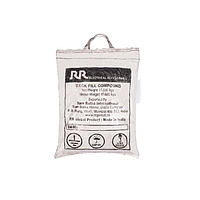
Compound reduces earth resistance
Stable grounding performance often depends as much on soil condition as on the electrode itself. In locations with dry, rocky, sandy, or high-resistivity soil, an earth resistance reducing compound helps improve contact between the grounding system and the surrounding soil, supporting a more reliable path for fault current dissipation and lightning protection.
This category focuses on materials used to lower ground resistance in practical installation environments. It is especially relevant for power distribution, telecom sites, industrial plants, renewable energy systems, substations, and building protection systems where consistent grounding performance is important for safety, equipment protection, and compliance-driven design.
Why earth resistance reducing compounds are used
Ground resistance is influenced by several site-specific factors, including soil composition, moisture level, temperature variation, and installation depth. In many projects, simply driving a rod into the ground may not be enough to achieve the target resistance value, especially where the natural soil has poor conductivity.
A compound that reduces earth resistance is typically applied around the grounding electrode to improve the electrode-to-soil interface. This can help stabilize performance over time, reduce dependence on seasonal moisture changes, and support more predictable results in grounding and lightning protection systems.
Where this material fits in a grounding system
Resistance reducing compounds are not standalone protection devices. They are part of a broader grounding solution that may also include electrodes, conductors, bonding points, and connection materials. In practice, they are often used together with a grounding rod to improve system performance in difficult soil conditions.
In lightning protection applications, the effectiveness of the complete path to earth matters more than any single component. For projects that also involve air termination hardware, related products in lightning rod equipment may be relevant when building a complete external protection system.
Typical applications in industrial and infrastructure projects
These materials are commonly selected for sites where low and stable grounding resistance is difficult to achieve naturally. Examples include factories, data and telecom installations, oil and gas facilities, rail systems, utility infrastructure, solar plants, and commercial buildings with dedicated lightning protection networks.
They are also useful in retrofit work. When an existing grounding system shows inconsistent measurement results or needs improvement without a complete redesign, adding suitable backfill material around the electrode can be one practical method to enhance contact with the surrounding soil.
Selection points that matter in real projects
Choosing the right product usually starts with the site condition and grounding objective rather than brand alone. Engineers and buyers typically review the soil environment, available installation space, target resistance value, maintenance approach, and compatibility with the overall grounding method.
It is also important to consider how the material will be installed around the electrode and whether the project uses conventional mechanical connections or exothermic joining methods. For installations using welded grounding connections, related consumables such as thermal welding agent can be part of the same system approach.
Featured product in this category
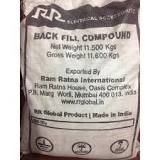
One representative option in this category is the Ramratna RR Low-Resistance Earthing Compound (11.5 kg). This type of product is intended for use around grounding electrodes to help lower contact resistance between the electrode and soil in appropriate installation conditions.
For buyers standardizing around a known supplier, Ramratna is one of the manufacturers available for grounding and earthing applications. When evaluating a specific product, it is good practice to check packaging format, installation method, and suitability for the intended site rather than relying only on a generic product name.
Good installation practice and system thinking
Even a suitable compound cannot compensate for poor grounding design. Electrode length, spacing, conductor routing, bonding quality, and connection integrity all affect final performance. The material should therefore be selected as part of a complete grounding strategy rather than as an isolated fix.
For projects requiring permanent conductor joints in the grounding network, compatible connection tooling such as a heat welding mold may also be relevant. Looking at the whole installation helps reduce rework and supports more dependable long-term grounding results.
What to check before ordering
Before purchasing, it is worth confirming the application scenario, the number of electrodes in the system, the quantity of compound needed per installation point, and whether the project is new-build or retrofit. Ground resistance target values should be reviewed together with field measurement methods and site conditions.
If your project involves lightning protection, utility grounding, or industrial earthing improvement, this category provides materials designed to support lower and more stable resistance in challenging environments. A well-matched compound, used with the right electrodes and connection method, can make the grounding system more effective and easier to maintain over time.
Get exclusive volume discounts, bulk pricing updates, and new product alerts delivered directly to your inbox.
By subscribing, you agree to our Terms of Service and Privacy Policy.
Direct access to our certified experts