SMT glue
In surface-mount assembly, reliable component placement often depends on more than solder paste alone. When boards pass through high-speed handling, wave processes, or demanding production conditions, SMT glue helps keep components secure on the PCB before final soldering and curing steps are completed.
For manufacturers, EMS providers, and electronics repair or prototyping teams, choosing the right adhesive is part of controlling placement stability, process consistency, and rework practicality. This category focuses on adhesives used in SMT workflows where controlled dispensing, stable rheology, and dependable adhesion matter.
Where SMT glue fits in the assembly process
Adhesives for SMT are commonly used to hold components in position on printed circuit boards, especially in processes where parts may be exposed to movement, inversion, or thermal cycles before a permanent electrical joint is formed. This is particularly relevant for mixed-technology boards, selective manufacturing steps, or applications where mechanical stability during handling is important.
Unlike solder materials, the role of SMT glue is primarily mechanical fixation. It is dispensed onto the board, components are placed onto the adhesive, and the material is then cured to create a stable bond. In practical production environments, this can improve throughput and reduce placement-related defects when the process window is properly controlled.
What to look for when selecting SMT adhesive
The right product depends on how the adhesive is applied and what the assembly line demands. Common selection factors include dispensing behavior, resistance to stringing, adhesion performance across different component types, and consistency from batch to batch. These points directly affect dot shape, placement accuracy, and repeatable curing results.
Processing stability is especially important in automated dispensing systems. An adhesive with suitable rheology can support cleaner application at higher speed while helping reduce variation between boards. For teams working on a broader electronics assembly workflow, it may also be useful to review related equipment such as soldering stations or hot air rework systems when process integration is part of the purchasing decision.
Example product in this category
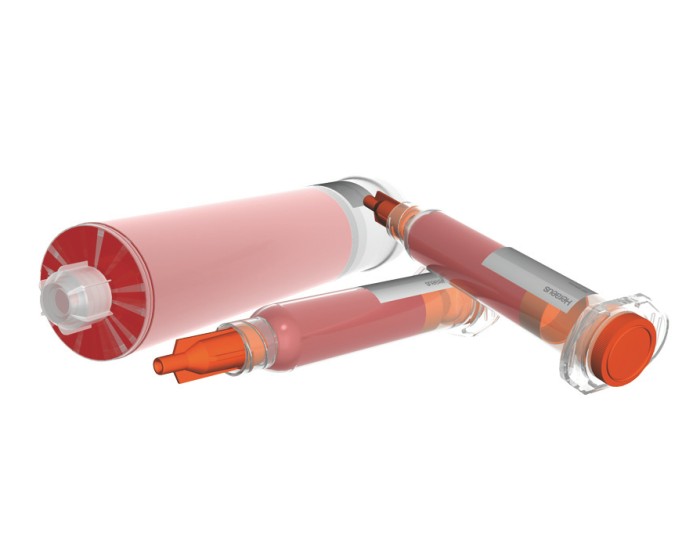
A representative product in this range is the Heraeus Electronics PD 955M SMT Adhesives. Based on the available product data, this is a thermosetting, single-component, solvent-free polymer adhesive developed for the surface mounting of SMT components onto PCBs and bare substrates.
It is positioned for dispensing applications and is described as having a wide processing window, low tendency toward stringing, and reliable adhesion even with components that may be more difficult to bond. Those characteristics make it relevant for users who need a practical balance between dispensing performance and dependable hold strength during assembly.
Why manufacturer support and material consistency matter
In adhesive selection, the material itself is only one part of the equation. Consistent supply, technical documentation, and known process behavior across production batches can be just as important as headline product features. For B2B buyers, this becomes critical when validating a process for repeat orders or controlled manufacturing environments.
Heraeus is one of the manufacturers associated with electronic materials for assembly applications, and products in this category may be considered where users need an established source for SMT adhesive solutions. In many cases, a stable material platform helps simplify qualification, operator training, and routine production control.
Handling and process considerations
Even a suitable adhesive can underperform if storage and preparation are not managed correctly. SMT glue is typically sensitive to conditioning before use, and production teams should follow the product-specific handling instructions for temperature equalization, cartridge preparation, and dispensing readiness before loading the material into the process.
Cleaning and rework also deserve attention early in the selection stage. Some adhesives can be removed before curing with dedicated cleaning materials, while cured adhesive may require heat and mechanical removal during component replacement. If the application includes frequent repair or board modification, the downstream serviceability of the adhesive should be assessed alongside its initial bonding performance.
How SMT glue relates to repair and rework operations
Adhesive-backed assemblies often move through later-stage inspection, repair, or component replacement. In these situations, rework capability becomes part of the overall process plan. Depending on board design and component density, teams may use desoldering stations or specialized tools for controlled removal of faulty parts without causing unnecessary thermal stress to the surrounding area.
For more complex packages, especially in dense SMT assemblies, separate equipment categories such as BGA and convective rework systems may also be relevant. The adhesive choice should therefore be viewed not only from the perspective of initial placement, but also from maintenance, repair, and defect recovery across the product lifecycle.
Typical use cases for SMT adhesives
SMT glue is commonly considered in electronics manufacturing environments where boards are exposed to handling forces before final solder joints are secured, or where the assembly method benefits from extra component retention. It can also be relevant in prototyping and specialized production where certain components require additional positional stability.
- PCB assembly lines using controlled dispensing processes
- Mixed-technology boards with process steps that can disturb component placement
- Applications that need stable temporary retention before soldering is finalized
- Production environments where consistent adhesive behavior supports repeatability
Choosing the right category for your workflow
If your main requirement is secure component attachment during SMT handling and assembly, this category is the right starting point. The next step is to compare how the adhesive will be dispensed, what curing method is used in your process, and how much emphasis you place on rework, cleaning, and long-run batch consistency.
For buyers building a complete electronics assembly setup, SMT adhesive should be evaluated as part of a wider process that includes placement, soldering, inspection, and repair tools. A well-matched material can support smoother production flow, lower defect risk, and more predictable results across repeated PCB builds.
Browse the products in this category to find SMT glue options suited to your assembly method, board type, and process control requirements.
Get exclusive volume discounts, bulk pricing updates, and new product alerts delivered directly to your inbox.
By subscribing, you agree to our Terms of Service and Privacy Policy.
Direct access to our certified experts