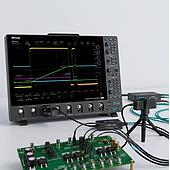
Application Fields
Multi-channel data loggers are widely used across various industries such as manufacturing, energy, transportation, and healthcare. These devices are capable of recording parameters like temperature, pressure, vibration, current, and liquid levels from sensors placed at different locations. The collected data can be stored directly in the device’s memory or transmitted to a control center for efficient analysis and processing.

What is a Multi-Channel Data Logger?
A multi-channel data logger is a modern electronic tool used to collect, store, and analyze data from multiple sources simultaneously. It directly monitors and controls automated systems, enhancing operational performance and ensuring safety for both people and assets.
Structure of a Multi-Channel Data Logger
A multi-channel data logger comprises several main components, each responsible for a specific function to ensure efficient device operation.
1. Central Processing Unit (CPU):
The CPU is the core of the data logger, managing all of the device’s operations. It processes the collected data and interacts with other devices. The CPU is typically a high-performance microprocessor or microcontroller, allowing for fast and accurate data processing.
2. Memory:
The memory stores the data collected from sensors. Depending on storage needs, it can be flash memory, an SD card, or a hard drive. The memory capacity must be sufficient to store long-term data and ensure data safety.
3. Connection Interfaces:
These interfaces enable communication between the data logger and sensors, computers, or other devices. Common interfaces include USB, Ethernet, RS-232, and RS-485. A high-speed data transfer rate is essential to ensure fast and accurate transmission.
4. Power Supply:
The power supply provides the energy required for operation. Devices may use either AC or DC power depending on their design. The power source must deliver adequate capacity to ensure stable and continuous operation.
Additional components may include:
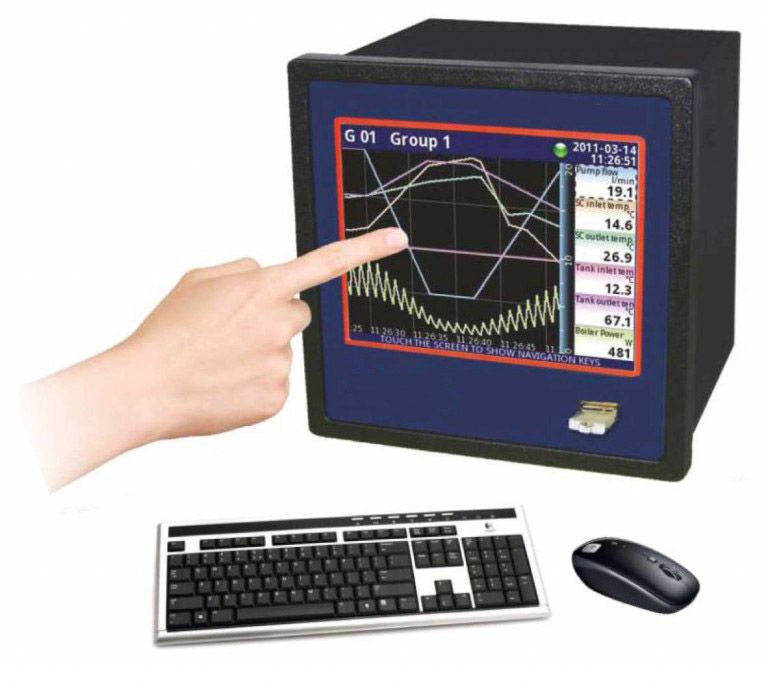
- Display: Shows current parameters, alerts, and other operational information.
- Keypad: Allows users to input data and configure the device as needed.
- Backup Battery: Ensures continued operation in the event of a power outage.
- Software: Helps users configure the device, view data, and generate reports easily.
Functions and Purposes of Multi-Channel Data Loggers
- These devices are widely used in various industries. Their main function is to collect and store data from multiple sources, including sensors, machinery, and operational systems.
- They enable continuous monitoring and analysis of data to ensure systems operate stably and efficiently. Collecting data from multiple channels allows engineers and managers to monitor critical parameters like temperature, pressure, vibration, and more in real time. This enables early detection of issues, optimization of production and maintenance processes, and informed decision-making based on real-world data.
- They support diagnostic and troubleshooting processes by identifying the root causes of problems and offering timely solutions.
Key Features of Multi-Channel Data Loggers
- Diverse Data Collection: Designed to gather data from a variety of sources such as sensors, measuring instruments, and operating systems. The device can log a wide range of parameters including temperature, pressure, flow rate, liquid levels, and vibration, enabling comprehensive monitoring and management.
- Long-Term Data Storage: Data can be stored in the built-in memory or on external memory cards, depending on user needs. This ensures important information is retained over time for future analysis and evaluation.
- Data Display and Monitoring: With built-in screens or computer connectivity, users can monitor and analyze data directly, saving time and effort in reviewing and assessing information remotely.
- In-Depth Data Analysis: The device can analyze collected data to identify important trends and patterns. This helps users better understand system status and performance, leading to more accurate decisions and improved operational efficiency.
- Early Warning and Safety: Another critical feature is the ability to set alarm thresholds for important parameters. When a value exceeds the set limit, the device triggers an alert to warn users of potential issues, enhancing safety and reducing operational risks.
Applications of Multi-Channel Data Loggers
- Manufacturing: Used to monitor machine performance, track production conditions, and diagnose potential failures—improving efficiency and reducing unplanned downtime.
- Energy: Supports monitoring of energy production, optimizing energy usage, and detecting failures promptly—enhancing system efficiency and safety.
- Healthcare: In the medical field, these devices monitor vital patient signs, track the performance of medical equipment, and collect data for clinical and scientific research.
- Environmental Monitoring: Plays a vital role in tracking air, water, and soil quality, monitoring climate conditions, and detecting early signs of pollution—protecting the environment and public health.
- Transportation: In the transportation sector, data loggers monitor vehicle performance, track road conditions, and detect incidents—improving safety and operational efficiency.
Product Reference: Multi-Channel Data Logger