For full functionality of this site it is necessary to enable JavaScript.
EMIN.CO.TH
0

pH Tester Calibration Procedure

04/26/2021 13:50:20

**1\. Range of application** This technical document specifies the calibration of pH tester with glass electrodes of (0-14) pH in measuring range and accurac

1. Range of application

This technical document specifies the calibration of pH tester with glass electrodes of (0-14) pH in measuring range and accuracy of at least 0,02 pH

2. Calibrating techniques

- Outside check

- Technical check

- Measurement check

3. Calibrating instruments

3.1 Standard measuring instrument (s)

Technical Calibration Buffer:
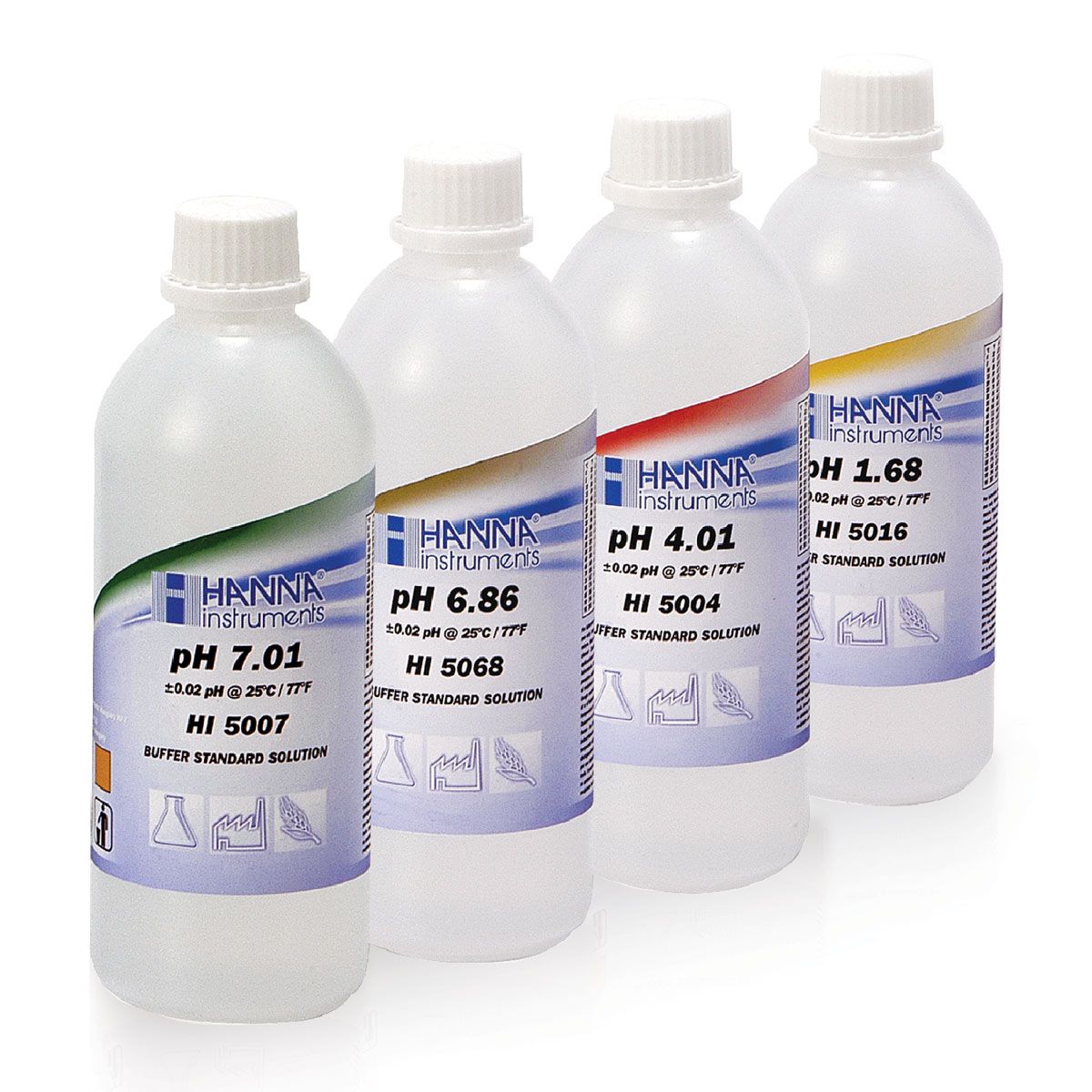

- Range of measurement: (0-14) pH

- Measurement Uncertainty: ≤ 0.01 pH

3.2 Other measuring instrument (s)

Heated Digital Water Bath:
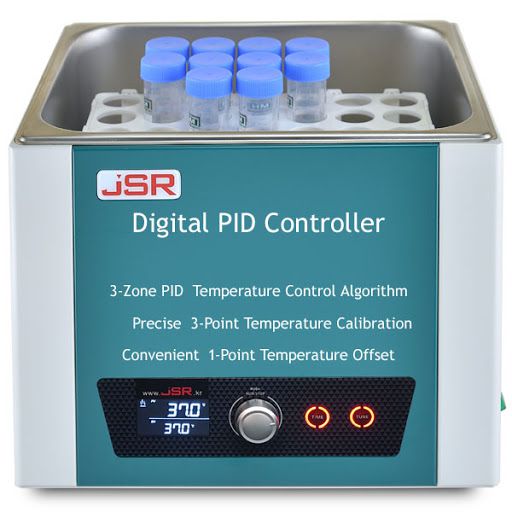

- Range of measurement: (+5 ÷ 99) °C

Standard Humidity, Temperature Meter
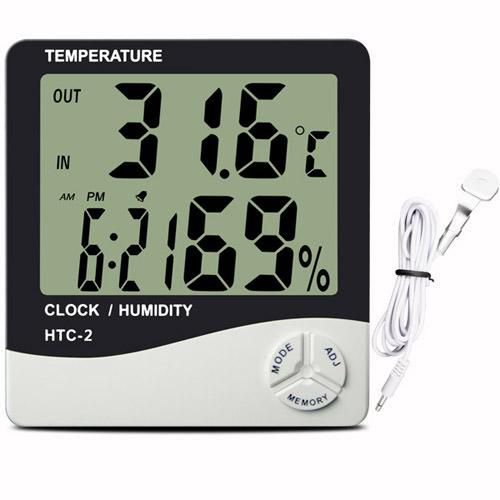

- Range of measurement: (-20 ÷ 70) °C

- Accuracy:

  ± 0.2 °C (10 ÷ 40 °C)

  ± 0.4 °C of the remaining

  ± 1%RH (10 ÷ 90) %RH 

  ± 2.0 %RH (of the remaining)

Hygro-Thermometer

- Range of measurement: (0 ÷ 50) °C

- Accuracy: ±0.5 °C

- Range of measurement: (10 ÷95) %RH

- Accuracy: ±3%RH

3.3 Auxiliary Instrument(s)

- Distilled water

- Sprayer

- Tissue, glass cup

4. Conditions for Calibration

Temperature: (25 ± 2) °C

Humidity:  80 %RH

The temperature, as well as the humidity, must be recorded before and after calibration

5. Prepare for Calibration
Prior to the calibration, the following preparations must be done:
- Prepare the Technical Calibration Buffer
- Place the pH tester and Technical Calibration Buffer in the calibration room at least 1 hour prior to calibration. 
- The Technical Calibration Buffer must be kept at constant temperature at least 1 hr at (25 ± 0,2) 0C in Heated Digital Water Bath
- Prior to calibration, immerse the pH tester electrode with distilled water at least 3 hrs in the lab.
Before measuring the pH level of Technical Calibration Buffer, the followings must be met:
- Clean the pH tester’s electrodes with distilled water.
- Dry the electrode with tissue.
The pH tester to be calibrated must be operating at least 15 mins prior to calibration.

6. Begin the calibration
6.1 Outside Check
6.2 Technical Check
6.3 Measurement Check
A pH tester is checked and measured according to the following content, method and requirements:
- Calibrate the pH tester according to the manufacturer's technical documents.
- Check the error with standard pH solutions
- Measure at least 3 times for each pH standard solution. Record the measured results in the record.
- Calculate the error

7. Measurement Uncertainty Evaluation

8. General handling

a. The calibrated pH tester is stamped, certified in paper along with calibration results, and measurement uncertainty.

b. The recommended calibration cycle of pH tester is 12 months.

9. About EMIN's Calibration - Verification - Repair center

EMIN Vietnam’s Calibration and Verification center has been established since 2020 to provide after-sales services. The Calibration and Verification center is thoroughly equipped with technical equipment, followed by the assistance from various equipment manufacturers around the globe. At the center, calibration of specialized equipment is successfully carried out by experienced engineers in EMIN Vietnam, ensuring fast, accurate, reliable procedure to meet the most demanding customers’ requirements). Such technical capacity can only be performed by very few technology businesses in Vietnam. Meanwhile, after tireless effort, the Calibration and Verification center of EMIN Vietnam is officially certified to be accredited by the ISO 17025 standard (Jan, 2021)

If you want your instruments calibrated, please contact:

Equipment Verification - Calibration - Repair Service Center - EMIN Vietnam JSC 

Address: No 203 Nguyen Ngoc Vu Street, Trung Hoa Ward, Cau Giay District, Ha Noi City

Email: services@emin.vn - Hotline: 0968.060.220

Further information about pH tester calibration service can be found here.


Related News

Micsig MOIP Series: Comprehensive testing solution for high-power three-phase inverters
06/22/2026 11:36:21

The widespread adoption of wideband semiconductor components such as SiC and GaN in photovoltaic inverters, motor drives, and automotive charging systems has driven the switching frequency and power density of three-phase inverters to unprecedented levels. However, this development has also brought with it severe measurement challenges: high voltages, intense electromagnetic interference, and the requirement for ultra-fast switching signal capture at the nanosecond scale

Stay Updated with Offers

Get exclusive volume discounts, bulk pricing updates, and new product alerts delivered directly to your inbox.

By subscribing, you agree to our Terms of Service and Privacy Policy.

Quick Support

Direct access to our certified experts