DRAMINSKI Mastitis Detector
Early detection plays a major role in herd health management, especially when udder inflammation is still invisible during routine observation. In dairy operations, identifying sub-clinical mastitis sooner can support faster treatment decisions, reduce milk quality losses, and improve day-to-day monitoring without adding complex testing procedures.
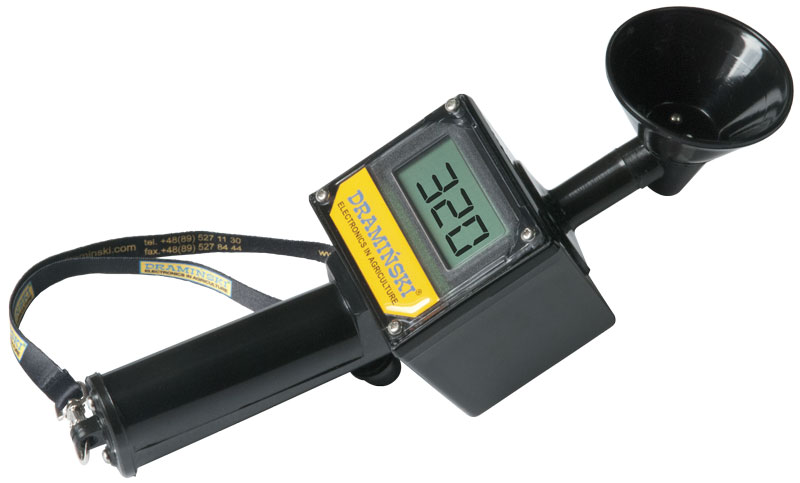
DRAMINSKI Mastitis Detector devices are designed for practical on-farm screening of milk from individual quarters. This category brings together portable instruments used to check changes associated with early mastitis, helping farmers and veterinary professionals build a more consistent preventive workflow.
Why mastitis screening matters in dairy herd management
Sub-clinical mastitis is difficult to identify because it may develop before visible symptoms appear. During this stage, milk composition can already change, and delayed detection may lead to production losses, treatment delays, and a wider impact on overall herd performance.
Using a handheld detector helps turn routine checks into a more structured process. Instead of relying only on visual signs, operators can screen milk samples quarter by quarter and compare results more quickly, which is especially useful when regular herd monitoring is part of preventive veterinary care.
How DRAMINSKI mastitis detectors work
These devices use an indirect measurement principle based on electrical resistance of milk. As described for the products in this category, changes linked to sub-clinical mastitis are associated with increased salt levels in milk, and this affects resistance values during measurement.
In practical use, the process is simple: a first portion of milk is taken directly into the measuring cup, the reading is registered, and the test is repeated as needed. This approach supports fast udder condition monitoring without requiring chemical reagents, making it suitable for routine use in farm environments.
Typical device formats in this category
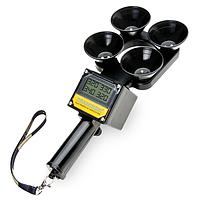
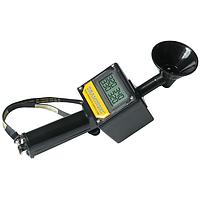
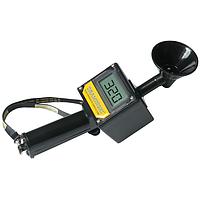
The range includes both single-quarter and multi-quarter solutions, allowing users to choose a format that fits their working style. The DRAMINSKI MD1Q Mastitis Detector is a compact option for checking quarters individually, while models such as the DRAMINSKI MD4Q Mastitis Detector provide a 4-quarter display for easier comparison.
For users who prefer a dedicated multi-cup layout, the DRAMINSKI MD4X4Q Mastitis Detector offers a 4-quarter measuring concept intended for quick comparison between quarters. Across the lineup, the common focus is portability, straightforward operation, and support for early screening in everyday dairy practice.
Choosing the right detector for your workflow
The best fit depends less on headline specifications and more on how the device will be used in the field. A single-quarter design may suit smaller herds, occasional checks, or users who prefer a simple step-by-step method. A 4-quarter display can be more convenient when frequent comparative screening is needed across multiple animals.
It is also worth considering handling comfort, readability of the display, and how easily the instrument fits into existing herd health routines. In many cases, a portable detector is most valuable when it can be used regularly and consistently rather than only during suspected clinical cases.
Where these devices fit in the broader DRAMINSKI veterinary range
DRAMINSKI is widely associated with practical veterinary diagnostic tools for livestock management. Within that broader ecosystem, mastitis detectors complement other herd monitoring equipment used for reproductive checks and general veterinary assessment.
If your application goes beyond udder health monitoring, it may also be useful to review related product groups such as pregnancy detectors or veterinary ultrasound scanners. These categories serve different purposes, but together they help create a more complete diagnostic toolkit for livestock operations.
Who typically uses mastitis detectors
These instruments are relevant for dairy farms, herd managers, veterinary practitioners, and technical staff involved in milk quality and animal health control. They are especially useful where regular screening is part of preventive management and where early intervention can reduce unnecessary losses.
Portable mastitis detectors are also practical when several animals need to be checked in sequence and results must be interpreted quickly on site. Because the method does not rely on chemical consumables, it can fit well into routine field use where simplicity and repeatability matter.
What to expect from this category page
This category focuses on DRAMINSKI devices intended for early mastitis screening, including models with different measuring layouts and display formats. Product pages provide the details needed to compare handling, measurement presentation, and the overall suitability of each unit for your herd management process.
If you are selecting a detector for routine dairy use, the key factors are usually screening frequency, herd size, and whether quarter-to-quarter comparison is important in your workflow. Reviewing those points first will make it easier to narrow down the right model and build a more effective monitoring routine over time.
For farms and veterinary professionals aiming to improve early udder health assessment, this category offers a focused selection of DRAMINSKI mastitis detectors built around simple operation and practical field use. Choosing the right model starts with understanding how often you test, how you record results, and how quickly you need quarter-level insight during daily herd management.
Get exclusive volume discounts, bulk pricing updates, and new product alerts delivered directly to your inbox.
By subscribing, you agree to our Terms of Service and Privacy Policy.
Direct access to our certified experts