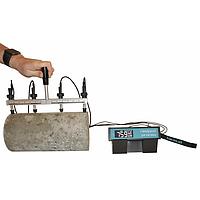
Surface Resistivity Tester Repair Service
Reliable resistivity readings are critical when concrete durability, chloride penetration risk, and corrosion-related assessments depend on the instrument’s performance. When a meter starts showing unstable values, fails to connect properly, or behaves inconsistently in the field, timely repair helps restore confidence in testing and reduces the risk of making decisions based on questionable data.
Surface Resistivity Tester Repair Service is intended for users who need dependable support for concrete resistivity instruments used in inspection, maintenance, and material evaluation workflows. Whether the issue involves measurement stability, probe response, display behavior, or general wear from field use, a proper repair process helps extend equipment life and keep testing programs on track.
Why resistivity tester repair matters
Surface resistivity testing is commonly used as part of a broader concrete assessment strategy. Because these instruments are often used on job sites, laboratories, and inspection projects, they are exposed to transport stress, repeated handling, surface contamination, and environmental variation. Over time, that can affect measurement consistency and overall usability.
A repair service is especially valuable when the instrument still fits your workflow but no longer performs as expected. Instead of replacing equipment immediately, many users prefer to restore function, verify operation, and return the unit to service with less disruption to ongoing testing work.
Typical issues that can affect surface resistivity meters
Testing devices in this category can develop faults that are not always obvious at first. Users may notice erratic readings, poor repeatability between test points, startup problems, damaged connectors, weak contact response, or physical wear that makes the unit harder to operate in the field.
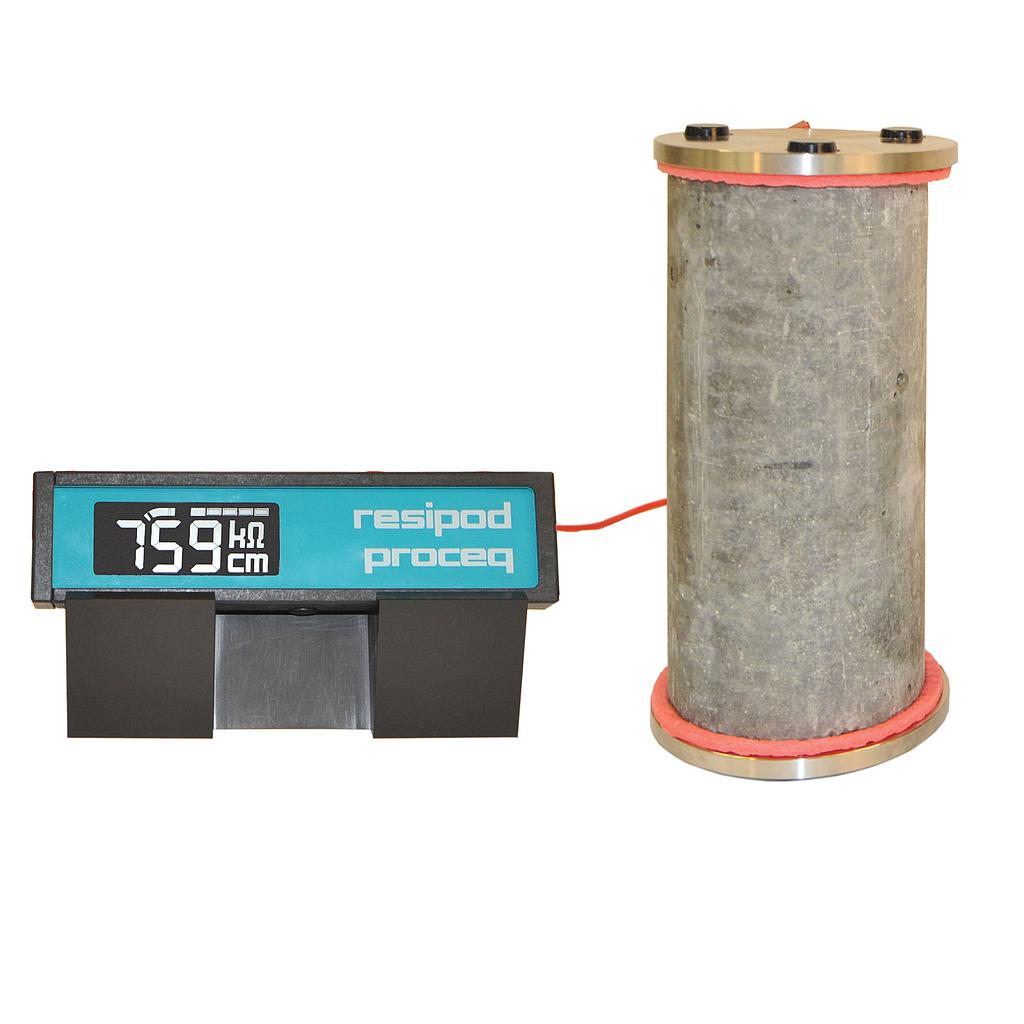
Instruments such as the Proceq Resipod Resistivity Meter Repair Service are relevant when a dedicated resistivity meter needs professional attention rather than ad hoc troubleshooting. For many organizations, this is important because even small functional issues can affect trend comparison, reporting confidence, and day-to-day productivity.
Support for PROCEQ resistivity instruments
Many buyers looking for repair support in this category are specifically working with PROCEQ equipment. That makes brand familiarity important, especially when the device is part of a regular inspection routine and users need service that aligns with the instrument’s intended application.
Beyond the brand itself, the real objective is to restore dependable operation for concrete testing tasks. A well-handled repair can help address electrical, mechanical, and functional issues while preserving the value of an instrument that technicians already know how to use in the field.
How this service fits into concrete condition assessment workflows
Surface resistivity is rarely interpreted in isolation. In practice, it is often used alongside other methods that help inspectors understand concrete quality, cover condition, internal uniformity, and possible reinforcement-related concerns. That is why equipment uptime matters: one out-of-service device can slow a larger evaluation program.
For teams managing multiple test methods, related support may also be relevant, such as rebar corrosion detection repair service when corrosion assessment tools are part of the same workflow. In projects where several concrete NDT methods are used together, service planning is often more efficient when viewed as part of the full inspection ecosystem rather than as a single standalone device issue.
When to consider repair instead of replacement
Repair is often the practical choice when the instrument remains suitable for the application, replacement lead times are inconvenient, or the issue appears limited to specific functions. This can be especially relevant for organizations with established procedures, trained personnel, and existing reporting formats built around a familiar device.
It is also worth considering repair when the meter has a history of reliable use but now shows signs of aging, transportation damage, or intermittent behavior. In those cases, restoring the unit can be more efficient than retraining staff or adapting to a different platform.
Related service categories for broader equipment maintenance
Organizations involved in concrete and rebar inspection often operate more than one type of instrument. If your maintenance needs extend beyond resistivity measurement, related categories may help you consolidate service planning across different devices and testing methods.
Depending on the equipment in use, you may also want to review concrete test hammer repair service for rebound-based concrete assessment or concrete ultrasonic detector repair service for instruments used in internal condition evaluation. These related services are useful for teams responsible for maintaining a complete set of field testing equipment.
Choosing the right repair service for your instrument
When selecting a repair option, it helps to start with the actual symptoms observed in the field rather than assuming a single cause. A clear description of the fault, operating condition, and any changes in behavior can make the service process more efficient and improve the chances of resolving the issue quickly.
It is also useful to match the service request to the equipment type and intended testing application. For a resistivity meter used in concrete durability evaluation, the priority is not only restoring power or display functions, but also returning the instrument to a stable and usable condition for routine measurement work.
Keep your resistivity testing program dependable
Concrete assessment programs depend on instruments that are consistent, practical to use, and trusted by the technicians who rely on them. When a resistivity meter begins to show faults, professional repair support can be a sensible step toward restoring functionality and reducing downtime.
If your team uses resistivity testing as part of a broader inspection or maintenance workflow, this category provides a focused starting point for service support. A well-maintained instrument helps protect data quality, supports efficient field operations, and keeps concrete evaluation work moving with fewer interruptions.
Get exclusive volume discounts, bulk pricing updates, and new product alerts delivered directly to your inbox.
By subscribing, you agree to our Terms of Service and Privacy Policy.
Direct access to our certified experts