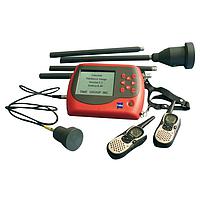
Floor Slab Thickness Meter Repair Service
When a floor slab thickness meter starts giving unstable readings, slow response, or questionable test results, it can affect inspection quality and project decisions very quickly. In concrete evaluation work, reliable measurement is essential for checking structural conditions, verifying construction quality, and supporting maintenance or renovation planning. This is why a professional Floor Slab Thickness Meter Repair Service is important for teams that depend on consistent field performance.
This category focuses on repair support for concrete slab thickness measuring instruments used in testing, inspection, and civil engineering environments. Whether the issue involves signal instability, display faults, charging problems, probe-related behavior, or general wear from site use, proper troubleshooting and repair can help restore dependable operation and extend the useful life of the equipment.
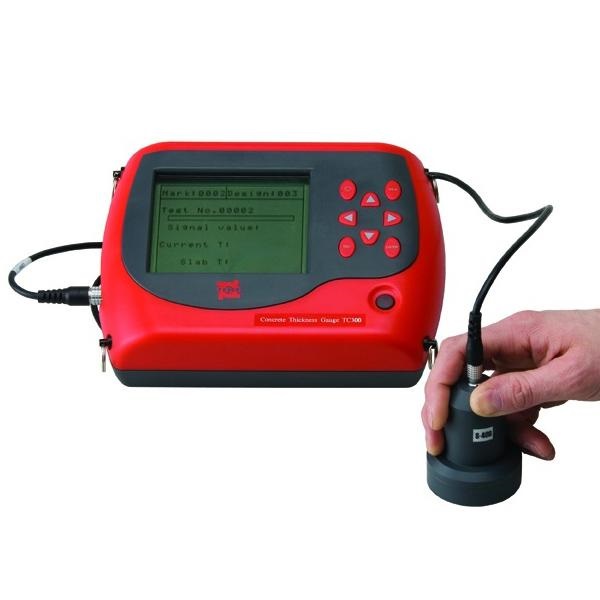
Why repair matters for slab thickness measurement equipment
Floor slab thickness meters are used in demanding environments where dust, vibration, transport, repeated testing, and operator handling all contribute to long-term wear. Even small faults can reduce confidence in results, especially when measurements are used as part of inspection reports or technical evaluations. Repair work helps address these issues before they lead to larger testing errors or equipment downtime.
Compared with replacing instruments immediately, repair is often a practical option when the core device remains serviceable. A structured service process can identify whether the problem is related to the main unit, sensor performance, connectors, power supply, interface response, or general internal condition. For users managing multiple concrete test instruments, this also supports better equipment lifecycle control.
Common issues seen in floor slab thickness meters
In field applications, common service cases may include inaccurate readings, intermittent operation, failure to power on, unstable screens, charging faults, keypad problems, or abnormal response during measurement. These symptoms do not always indicate total device failure, but they do suggest that the instrument should be inspected before further use.
Measurement tools for concrete testing often rely on stable electronic performance and proper signal processing. If either of these is compromised, the user may see inconsistent data between repeated tests or poor usability during on-site work. A thorough diagnosis helps determine whether the issue can be corrected through component-level repair, adjustment, replacement of worn parts, or broader service intervention.
Typical repair scope and service approach
A repair service for this type of equipment generally begins with fault assessment and condition checking. The objective is to identify the root cause rather than only address visible symptoms. In technical inspection environments, that matters because a meter can appear functional while still producing unreliable results under real operating conditions.
Depending on the instrument condition, service work may involve electronic troubleshooting, interface restoration, battery or charging-related correction, connector repair, and overall functional recovery. For users working across broader concrete testing workflows, related instruments such as concrete test hammer repair services may also be relevant when multiple devices need maintenance at the same time.
Representative instruments covered in this category
This category includes repair support for well-known models such as the JeweltestSJJW Floor Slab Thickness Meter Repair Service and the TIME Concrete Thickness Gauge Repair Service. These examples reflect the kind of equipment commonly used in concrete assessment and structural testing tasks.
Brand-specific experience can be helpful when dealing with model-dependent layouts, operating behavior, or recurring fault patterns. At the same time, the goal of repair remains practical and straightforward: restore stable operation, improve usability, and support more reliable testing outcomes in daily field work.
How to decide when a repair service is needed
If your instrument shows repeated measurement drift, frequent restarts, charging instability, or signs of physical damage after transport or site work, it is usually better to arrange service early rather than continue using the device unchecked. Delaying repair can increase the chance of incorrect readings, interrupted inspections, or more extensive internal damage.
It is also sensible to consider service when the instrument has been used intensively over time, even if the fault appears minor. Preventive repair assessment can be especially useful for organizations that rely on multiple test methods, including cover meter and rebar detector repair support or concrete ultrasonic detector repair as part of a wider inspection program.
Choosing the right repair path for your equipment fleet
For contractors, testing laboratories, inspection companies, and maintenance teams, equipment service decisions are rarely made for one instrument in isolation. A good repair path should fit the actual role of the device in your workflow, the urgency of ongoing projects, and the importance of measurement consistency across reports and field records.
It is useful to prepare basic fault details before requesting service, such as the observed symptoms, frequency of the issue, operating conditions, and whether the problem appeared after transport, impact, charging, or storage. This helps streamline the evaluation process and improves the chances of identifying the fault efficiently. In environments where multiple concrete and rebar testing tools are used together, repair planning can also be coordinated across related instruments.
Support for concrete inspection and structural assessment work
Floor slab thickness meters play a practical role in non-destructive or minimally invasive evaluation workflows where users need dependable information about slab condition and construction characteristics. When the instrument is functioning properly, it helps teams work faster, reduce uncertainty, and maintain better confidence in field decisions.
This category is intended for users seeking a focused repair solution for slab thickness measurement equipment, especially in concrete inspection and civil engineering applications. If your device is no longer operating as expected, timely repair can be a sensible step toward restoring performance and keeping your testing process on track.
For organizations that rely on accurate concrete testing instruments, repair is not only about fixing a fault—it is also about protecting measurement reliability in day-to-day work. Reviewing the appropriate service option for your instrument model is a practical way to reduce downtime and support more dependable inspection results.
Get exclusive volume discounts, bulk pricing updates, and new product alerts delivered directly to your inbox.
By subscribing, you agree to our Terms of Service and Privacy Policy.
Direct access to our certified experts