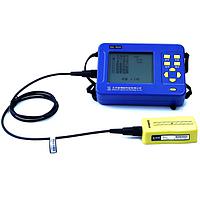
Concrete ultrasonic Detector Repair Service
When a concrete ultrasonic instrument starts showing unstable readings, weak signal transmission, charging issues, or communication faults, the problem is rarely just about convenience. In inspection work, unreliable equipment can affect testing continuity, reporting confidence, and maintenance planning. A professional Concrete ultrasonic Detector Repair Service helps restore measurement reliability so ultrasonic concrete evaluation can continue with fewer disruptions.
This service category is intended for ultrasonic devices used in concrete assessment, including instruments applied for pulse velocity and related non-destructive testing tasks. Whether the issue is electronic, sensor-related, display-related, or linked to normal wear over time, proper diagnosis and repair are essential before the device returns to field or laboratory use.
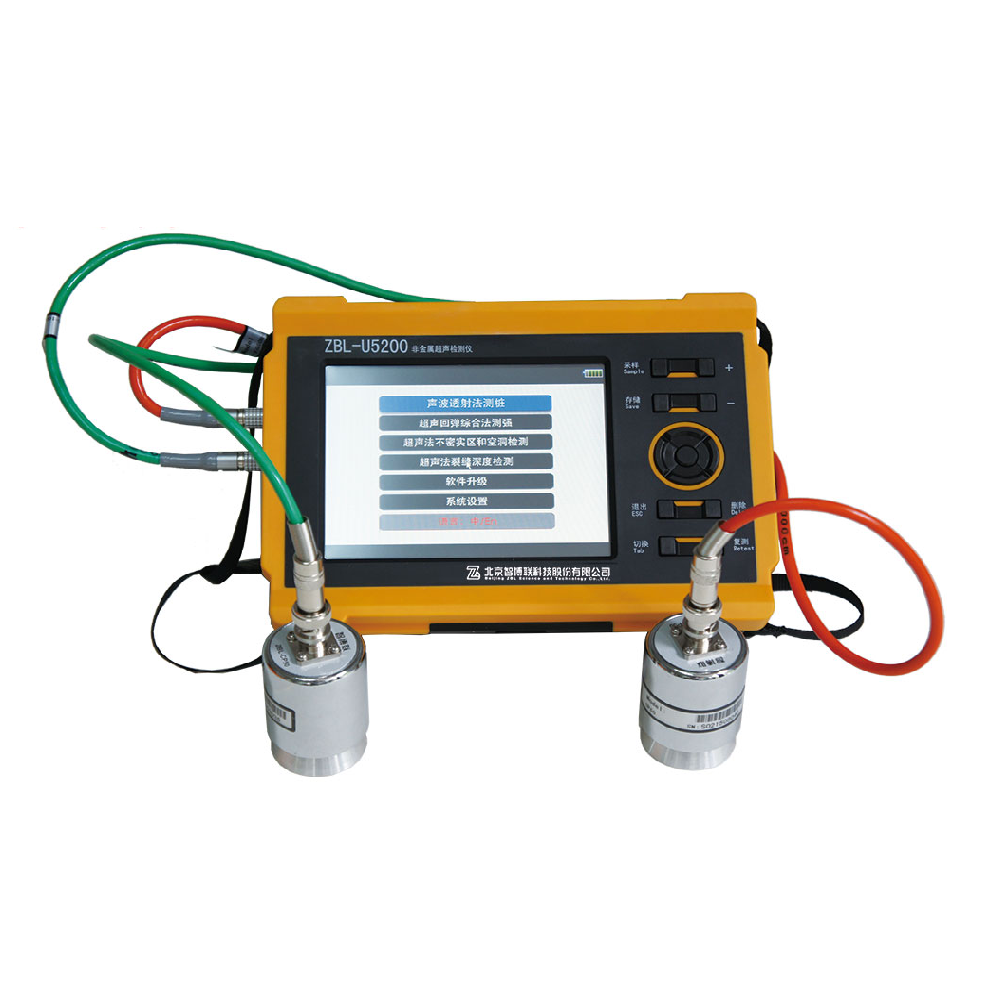
Why repair matters for concrete ultrasonic equipment
Ultrasonic concrete testing depends on consistent wave transmission, accurate timing, and stable instrument response. If a detector or pulse velocity unit develops faults, even small deviations can make troubleshooting difficult during inspections of slabs, beams, columns, or other structural elements. Repair work is therefore not only about fixing a device, but also about supporting dependable non-destructive testing workflows.
Compared with replacing an instrument immediately, repair can be a practical option when the core system is still serviceable. A structured service process helps identify whether the fault comes from connectors, probes, internal electronics, power systems, controls, or interface components, allowing the equipment to be restored more efficiently where feasible.
Typical issues addressed in this service category
Concrete ultrasonic detectors may encounter a range of operational problems after repeated transport, site use, or long storage periods. Common symptoms include failure to power on, unstable displays, poor signal reception, inconsistent measurement behavior, damaged cables or transducer connections, and buttons or control interfaces that no longer respond properly.
Instruments used regularly in construction testing environments are also exposed to dust, vibration, moisture, and handling stress. Over time, these factors can affect signal quality and general usability. A repair service in this category focuses on identifying the actual source of failure rather than assuming every problem is caused by the same component.
Support for PROCEQ ultrasonic equipment
For users working with PROCEQ instruments, repair support is especially relevant because these devices are widely used in concrete evaluation and condition assessment. Service attention may be required when the instrument no longer performs as expected in routine testing, especially where stable ultrasonic transmission and repeatable readings are important for ongoing inspection programs.
One example in this category context is the Proceq Ultrasonic Pulse Velocity Repair Service. This kind of service is suitable for situations where a dedicated pulse velocity unit needs fault diagnosis and technical restoration rather than simple user-side troubleshooting. Mentioning a representative service like this also helps buyers identify whether their issue belongs in a product-specific path or in the broader ultrasonic repair category.
What a repair process usually involves
A typical service workflow begins with a technical inspection of the instrument condition and reported symptoms. This may include checking power behavior, connectors, probe interfaces, transmission performance, display response, and overall hardware integrity. For ultrasonic devices, the goal is to determine whether the issue lies in measurement electronics, signal handling, mechanical damage, or user-interface components.
After diagnosis, the repair stage focuses on replacing or restoring defective parts where appropriate and verifying that the unit operates normally again. In many cases, users also want confirmation that the device is ready for practical use after service. That is why repair and post-repair functional verification are often closely linked in technical equipment support.
How to decide if your instrument should be repaired
Repair is usually worth considering when the instrument still has operational value, the fault appears localized, and continuity of work matters more than waiting for a replacement. This is often the case for service teams, contractors, laboratories, and inspection providers that rely on established testing procedures and need to keep familiar equipment in use.
It is also helpful to prepare basic information before requesting service: observed fault symptoms, when the issue started, whether the problem is intermittent or constant, and whether accessories or probes are also affected. Clear fault descriptions can shorten the diagnostic stage and improve communication between the user and the repair team.
Related repair services in the same testing environment
Concrete ultrasonic equipment is often used alongside other inspection tools in construction materials testing. If multiple devices in the same workflow need maintenance, it can be useful to review related service categories such as concrete test hammer repair service or cover meter and rebar detector repair service.
Where inspection programs extend into durability evaluation, users may also encounter service needs for permeability or corrosion-related instruments. Keeping repair support organized by device type helps maintain a more reliable testing ecosystem across concrete assessment tasks rather than treating each fault as an isolated issue.
Choosing the right repair path for ultrasonic concrete testers
The most suitable service route depends on the instrument type, the seriousness of the fault, and whether the issue affects measurement performance directly or only general operation. A category-level repair service is useful when you need support for ultrasonic concrete testing equipment but have not yet narrowed the problem to a specific model-level service request.
If your device is already identified as a PROCEQ ultrasonic pulse velocity unit or a similar concrete ultrasonic detector, this category provides a relevant starting point for technical evaluation. A proper repair approach can help extend equipment usability, reduce avoidable downtime, and support more consistent inspection work in the field or lab.
For organizations that depend on concrete integrity assessment, restoring an ultrasonic instrument is often more practical than interrupting the entire testing process. This category helps connect users with repair support for concrete ultrasonic devices so faults can be assessed clearly and handled in a way that supports continued, dependable measurement work.
Get exclusive volume discounts, bulk pricing updates, and new product alerts delivered directly to your inbox.
By subscribing, you agree to our Terms of Service and Privacy Policy.
Direct access to our certified experts