Concrete Tester Repair Service
Reliable concrete testing depends not only on the instrument itself, but also on its condition in daily field and laboratory use. When a tester starts showing unstable readings, intermittent faults, charging problems, or impact damage, timely repair helps restore measurement confidence and reduces disruption to inspection, quality control, and structural assessment work.
Concrete tester repair service is intended for users who need practical support for damaged, aging, or inconsistent test equipment used in civil engineering, construction materials evaluation, and site investigation. Whether the issue involves electronics, sensors, display response, communication, power supply, or general wear from transport and frequent handling, repair work plays an important role in extending usable equipment life.
Why repair matters for concrete testing equipment
Concrete test instruments are often used in demanding conditions, including construction sites, bridge inspections, precast production, and structural diagnostics. Exposure to dust, moisture, vibration, accidental drops, and repeated transport can gradually affect accuracy, stability, and overall reliability. In many cases, a repair service is the most practical path before considering replacement.
For B2B users, downtime is more than an inconvenience. It can delay acceptance testing, maintenance planning, and project reporting. A properly handled repair process helps bring equipment back into service faster while supporting more consistent results across routine inspections and technical evaluations.
Typical issues seen in concrete testers
Concrete testers can develop faults in both mechanical and electronic sections. Common symptoms include units that fail to power on, screens that become dim or unreadable, keys that stop responding, unstable data output, communication errors, battery-related issues, or test values that appear inconsistent compared with expected behavior.
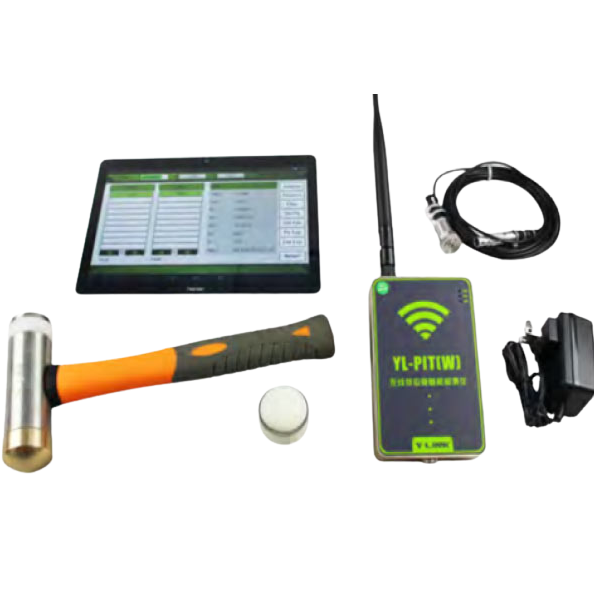
Some instruments may also suffer from connector wear, internal board damage, probe or transducer-related issues, and housing damage caused by harsh site handling. For specialized equipment such as the Jeweltest platform, service attention may also involve restoring functional performance on products like the SJJW Pile Integrity Tester Repair Service, especially when the device is used frequently for foundation assessment and non-destructive investigation work.
Repair support for different concrete testing workflows
Concrete testing is rarely limited to one instrument type. Contractors, inspection firms, laboratories, and engineering teams often work with several tools across the same project, from surface hardness checks to reinforcement location, durability evaluation, and internal defect investigation. Because of that, repair needs often arise across a broader equipment ecosystem rather than as a single isolated case.
Users managing multiple devices may also need support for related services such as concrete test hammer repair when rebound-based tools show wear from repeated impact testing. For reinforced concrete applications, service demand can also extend to cover meter and rebar detector repair if scanning accuracy or signal response becomes unreliable.
What to consider before sending a unit for repair
A clear fault description helps streamline the evaluation process. It is useful to note whether the problem is constant or intermittent, when it first appeared, whether the device suffered impact or water exposure, and whether the issue affects startup, measurement, storage, charging, or data transfer. This background can make troubleshooting more efficient and reduce unnecessary handling steps.
If available, include the model name, serial identification, accessories used during the fault, and any visible signs of damage. For example, a unit that powers on but cannot complete measurement may require a different inspection path from one with a broken display or damaged connectors. This is especially important for more application-specific instruments such as pile integrity testers, where test performance depends on stable signal acquisition and proper instrument response.
Repair, performance recovery, and service continuity
The objective of repair is not simply to make an instrument turn on again. In technical environments, the more important goal is functional recovery so the equipment can return to normal operating conditions for field or laboratory work. That may involve identifying failed components, restoring damaged interfaces, correcting power or communication faults, and checking whether the instrument behaves consistently after repair.
For organizations that rely on concrete testing instruments as part of ongoing inspection programs, maintaining service continuity is essential. A structured repair approach helps reduce the risk of using a compromised device in critical testing activities, where unreliable readings can affect engineering decisions, compliance documentation, or quality assurance records.
Related repair services in concrete and civil materials testing
Many customers looking for concrete tester repair are also responsible for a wider set of material testing and inspection tools. In practice, repair requirements may overlap with services for permeability evaluation, ultrasonic inspection, and corrosion-related diagnostics, depending on the type of project and asset condition being assessed.
Where broader maintenance planning is needed, it may be helpful to review options such as permeability tester repair service for durability-related equipment or concrete ultrasonic detector repair service for non-destructive internal assessment tools. Looking at repair support across the full instrument set can help maintenance teams plan more efficiently and reduce repeated downtime.
Who typically needs concrete tester repair service
This type of service is relevant to construction companies, inspection and testing agencies, civil engineering consultants, quality control departments, materials laboratories, infrastructure maintenance teams, and rental equipment providers. Any organization that depends on portable concrete testing instruments may eventually face repair needs due to age, usage intensity, transport stress, or accidental handling damage.
It is also relevant when an older device still fits the application but no longer performs as expected. In those cases, repair can be a practical way to retain familiar equipment in operation, especially when workflows, technicians, and reporting procedures are already built around a specific instrument platform.
Choosing the right service path
When selecting a repair option, it helps to focus on the type of fault, the instrument’s role in the testing workflow, and the urgency of returning it to service. A unit used in routine acceptance testing may require fast turnaround, while a specialized diagnostic instrument may need more careful technical evaluation due to the nature of its measurements and application context.
For businesses that use concrete inspection equipment regularly, a dependable repair process supports longer equipment life, more stable operation, and fewer interruptions in the field. If your tester is showing signs of malfunction or inconsistent performance, reviewing the appropriate service category is a practical first step toward restoring reliable use.
Get exclusive volume discounts, bulk pricing updates, and new product alerts delivered directly to your inbox.
By subscribing, you agree to our Terms of Service and Privacy Policy.
Direct access to our certified experts