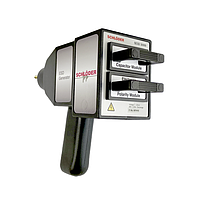
ESD Simulator Inspection Service
Reliable ESD testing depends on more than having a simulator on hand. In many labs, production sites, and compliance environments, the condition of the instrument directly affects test repeatability, operator confidence, and the credibility of recorded results. That is why a structured ESD Simulator Inspection Service is an important part of maintaining electrostatic test equipment over time.
For organizations that use ESD generators in verification, troubleshooting, or EMC-related workflows, periodic inspection helps identify wear, output instability, connector damage, aging components, and other issues before they interrupt testing. This category focuses on inspection support for ESD simulation equipment and related service needs in a professional B2B context.
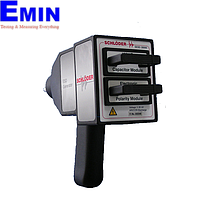
Why inspection matters for ESD simulation equipment
An ESD simulator is used to reproduce electrostatic discharge events in a controlled way, so equipment condition has a direct impact on test quality. If the unit has mechanical wear, trigger inconsistencies, grounding issues, or degraded internal performance, the resulting test process may become less dependable even if the problem is not obvious at first glance.
A professional inspection service helps assess the overall health of the instrument before a failure becomes critical. This is especially relevant in environments where repeat testing, internal quality checks, product validation, or service documentation all rely on stable and predictable ESD simulation behavior.
What is typically reviewed during an inspection
The exact scope depends on the equipment condition and service workflow, but inspection commonly includes a review of the simulator’s physical state, operation, and serviceability. Technicians may check external housing, switches, connectors, discharge tips, cables, grounding-related elements, and general signs of damage or aging that can affect safe and consistent use.
Beyond visible condition, the process may also focus on functional assessment of the unit. This can help determine whether the simulator responds correctly during normal operation and whether further maintenance or repair should be recommended. Inspection is not the same as simply confirming that the device powers on; it is about understanding whether the instrument remains suitable for ongoing technical use.
When an ESD simulator should be inspected
Inspection is often useful when an instrument has been heavily used, transported frequently, stored for long periods, or exposed to demanding industrial conditions. It is also a practical step when users notice irregular triggering, mechanical deterioration, unstable behavior, or other symptoms that suggest the simulator should be evaluated by a qualified service provider.
Many companies also schedule inspection as part of preventive maintenance planning. This is especially helpful for teams that want to reduce downtime, prepare for internal audits, or decide whether a unit should remain in service, move to repair, or be replaced. In broader electrostatic control workflows, related service needs may also involve electrostatic meter repair support or maintenance for electrostatic eliminator equipment.
Support for Schloeder ESD simulation equipment
Where brand-specific handling is needed, users may look for service support related to Schloeder equipment. This can be relevant when the instrument design, parts structure, or service history makes manufacturer-specific familiarity useful during inspection or follow-up evaluation.
One example in this area is the Schloeder ESD Simulation Repair Servicen, which reflects the broader service ecosystem around ESD simulation equipment. While inspection and repair are different stages, inspection often provides the basis for deciding whether repair work is necessary and how urgent that work may be.
Inspection, repair, and service planning
Inspection is often the first step in a more complete service process. Once the simulator has been reviewed, users can make better decisions about continued operation, maintenance scheduling, or repair action. This is particularly useful for organizations that manage multiple instruments and need a clearer picture of asset condition rather than reacting only after a failure occurs.
In some cases, the issue may be isolated to the simulator itself. In others, the wider electrostatic testing setup may also need attention, especially if related devices are used in the same workflow. Depending on the application, companies may also need service for electrostatic discharge and charge monitoring equipment to keep the full process reliable.
How to choose the right service approach
When selecting an ESD simulator inspection service, it helps to consider the instrument’s usage history, operational importance, and whether there are already signs of decline in performance or condition. A good service path should support informed decision-making, not just a basic intake check. That means the inspection outcome should help users understand the practical next step for the equipment.
It is also important to align the service approach with the role of the instrument in your organization. A unit used occasionally for internal troubleshooting may not face the same service demands as one used regularly in validation, quality assurance, or customer-facing technical work. In both cases, however, preventive evaluation can reduce uncertainty and support better equipment lifecycle management.
Keeping ESD test equipment dependable over time
ESD simulators are critical tools in environments where electrostatic behavior must be assessed with confidence. Regular inspection supports safer operation, better planning, and more reliable decisions about maintenance or repair. Rather than waiting for obvious failure, many organizations benefit from checking instrument condition early and managing service needs proactively.
If your team depends on electrostatic test equipment in daily operations, an organized inspection program can help maintain continuity and reduce avoidable disruptions. The right service choice should give you a clearer view of equipment condition and a practical path forward for long-term use.
Get exclusive volume discounts, bulk pricing updates, and new product alerts delivered directly to your inbox.
By subscribing, you agree to our Terms of Service and Privacy Policy.
Direct access to our certified experts