
Water Sampler Inspection Service
Reliable sampling starts long before a bottle is filled in the field. When a wastewater or water sampling device is out of tolerance, the result can be inconsistent collection intervals, incorrect sample volumes, or missed compliance data. For facilities that depend on environmental monitoring, a professional Water Sampler Inspection Service helps verify that the instrument is operating as intended and remains suitable for routine use.
This category is focused on inspection support for water and wastewater samplers used in environmental monitoring programs. It is relevant for industrial plants, utilities, laboratories, environmental service providers, and maintenance teams that need greater confidence in the condition and performance of their equipment before deployment or during periodic quality control.
Why water sampler inspection matters
In practical monitoring work, sampling equipment is expected to perform consistently in variable conditions such as outdoor installations, wet environments, and long operating cycles. Over time, wear, contamination, hose degradation, pump issues, timing drift, or mechanical stress can affect how the sampler behaves. An inspection process helps identify these issues before they lead to unreliable results or unnecessary downtime.
For wastewater applications in particular, equipment condition has a direct impact on data quality. A sampler that does not trigger correctly or collect at the intended interval can compromise trend analysis, reporting, and process decisions. That is why inspection service is often part of a broader maintenance and verification routine rather than a one-time task.
Typical scope of a sampler inspection service
The exact inspection workflow can vary depending on the instrument type and service program, but the goal is generally the same: to assess whether the unit is suitable for continued operation. This may include reviewing the physical condition of the sampler, checking key operating functions, and confirming that critical mechanisms respond properly during normal use.
For many users, the priority is not only whether the unit powers on, but whether it performs reliably in the field. A structured inspection can help reveal issues related to sample collection sequence, basic control behavior, tubing condition, enclosure integrity, or other operational points that influence daily use. In this context, functional verification is especially valuable for preventive maintenance planning.
Equipment commonly covered in this category
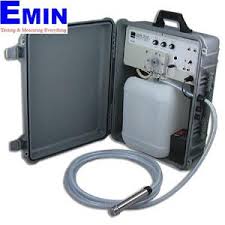
This page includes representative service options for water and wastewater sampling equipment, including the Global Water Wastewater Sampler Inspection Service. This type of service is relevant where automatic or portable samplers are used to collect environmental samples for analysis, documentation, or regulatory programs.
Where appropriate, users may also explore the broader GLobal Water range to review related instrument families and brand-specific equipment context. Mentioning a manufacturer is useful here mainly for compatibility and service relevance, not as a substitute for checking the actual condition of each individual device.
When to schedule an inspection
Inspection intervals often depend on how frequently the sampler is used, the cleanliness of the application, transportation conditions, and internal quality procedures. Units operating in wastewater environments, exposed to weather, or moved frequently between sites may benefit from more regular checks than equipment kept in controlled conditions.
Many organizations schedule inspection before a monitoring campaign, after prolonged storage, after field impact or suspected malfunction, or as part of an annual equipment review. If sampling data appears inconsistent, if actuation behavior changes, or if physical wear is visible, an earlier inspection may be justified. In these cases, early evaluation can reduce the risk of failed sampling events.
How inspection supports compliance and data confidence
Environmental monitoring programs often depend on a chain of reliability: the sampling point, the collection method, the instrument condition, and the downstream analysis all matter. Even when laboratory analysis is well controlled, poor sampler performance can introduce problems at the very beginning of the process. Inspection helps strengthen that first step.
For organizations managing multiple environmental instruments, it is also useful to align service planning across related devices. For example, teams that maintain water monitoring tools may also need ion measurement electrode inspection for water quality workflows, or water activity meter inspection where moisture-related product or environmental checks are part of the process.
Choosing the right service for your sampler
When selecting a service, it helps to confirm the instrument type, operating environment, current condition, and the purpose of the inspection. Some users need a periodic condition check for routine asset management, while others need evaluation because the unit has shown unstable behavior in the field. A clear understanding of the application makes it easier to match the service to the actual requirement.
It is also practical to review the manufacturer, model family, and any visible symptoms before arranging service. For example, a wastewater sampler may require attention to fluid path condition and collection behavior, while another unit may be sent in mainly for control or power-related concerns. The more accurately the issue is described, the more efficient the inspection process tends to be.
Supporting long-term reliability in environmental monitoring
Water sampling equipment is often part of a larger monitoring system that includes meters, probes, sensors, and documentation procedures. Maintaining sampler condition through regular inspection can help reduce repeat site visits, avoid missed sample events, and support more stable operational planning. This is particularly relevant in industrial and municipal environments where monitoring schedules cannot easily be delayed.
If your team depends on consistent water or wastewater sample collection, this category provides a focused starting point for service options related to sampler condition and operational review. A well-timed inspection helps protect data quality, supports maintenance decisions, and keeps environmental instruments ready for real field use.
Get exclusive volume discounts, bulk pricing updates, and new product alerts delivered directly to your inbox.
By subscribing, you agree to our Terms of Service and Privacy Policy.
Direct access to our certified experts
