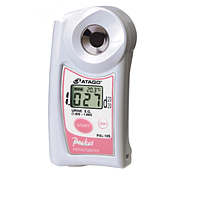
Urea Meter Inspection Service
Reliable urea concentration measurement matters in applications where fluid quality directly affects process control, equipment performance, or compliance routines. When a urea meter starts to drift, even small reading errors can lead to incorrect dosing decisions, inconsistent inspection results, or unnecessary troubleshooting in the field. A professional Urea Meter Inspection Service helps verify whether the instrument is still reading within an acceptable range and performing as expected.
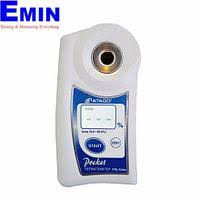
This service category is intended for users who need a practical way to assess the condition of urea measurement instruments before those errors become operational problems. It is especially relevant for teams that rely on refractometer-based measurement, periodic quality checks, or maintenance programs across environmental and industrial measurement equipment.
Why inspection of urea meters is important
Urea meters are used where concentration values must remain stable and traceable enough for routine decision-making. Over time, measurement performance can be influenced by normal use, handling conditions, contamination on the measuring surface, aging of optical parts, or improper zero adjustment. An inspection service helps identify these issues before they affect day-to-day work.
For many users, inspection is not only about confirming whether the device turns on and displays a value. It is about evaluating measurement reliability, checking the instrument response under expected conditions, and understanding whether maintenance, adjustment, or further service may be needed. This is particularly useful in B2B environments where instruments are shared between operators or used across repeated inspection workflows.
What this service typically supports
A urea meter inspection service is generally suited to instruments used to check concentration quickly and repeatedly in the field, workshop, or lab. In this category, the service focus is centered on urea refractometer inspection, where the practical goal is to determine whether the instrument still provides dependable readings for ongoing use.
Typical examples in this category include the Atago Urea Refractometer Inspection Service and the PCE Urea Refractometer Inspection Service. These examples show the kind of manufacturer-specific support users often look for when they want inspection work aligned with the instrument brand and product family already in operation.
Brand-specific service options for installed instruments
When a facility standardizes around a specific manufacturer, brand-aligned inspection support can make service coordination simpler. For organizations using ATAGO instruments, inspection can fit naturally into a wider maintenance approach for refractometers and related measuring devices. The same applies to users working with PCE measurement equipment, where continuity of service is often an important factor in procurement and maintenance planning.
Choosing a service linked to the instrument manufacturer does not automatically mean every issue can be corrected during inspection, but it does improve the relevance of the service pathway. It also helps users quickly identify a suitable option when the immediate need is to check instrument condition rather than replace the device outright.
When to send a urea meter for inspection
Several common situations justify inspection. One is when readings appear inconsistent between operators, batches, or reference samples. Another is after an instrument has been stored for a long period, exposed to demanding working conditions, or returned from field use where contamination and handling stress are more likely.
Inspection is also a sensible step after routine cleaning errors, accidental impact, or whenever the measurement value no longer matches process expectations. In maintenance-driven environments, regular inspection supports a more controlled service schedule and reduces the risk of making process decisions based on an instrument that has slowly drifted over time.
How to evaluate the right service for your application
Not every user has the same service objective. Some need a straightforward check of instrument condition before continued use, while others need inspection as part of a larger maintenance or quality assurance process. In practice, the right choice depends on the instrument type, the criticality of the measurement, and how the results are used in operations.
It is useful to confirm the exact instrument family involved, the symptoms observed, and whether the priority is routine verification, troubleshooting, or broader equipment management. This makes the inspection process more efficient and helps service teams understand the expected use case of the device rather than treating all requests in the same way.
Related inspection services in a wider measurement program
Many organizations manage urea measurement instruments alongside other environmental and testing devices. If your maintenance plan covers multiple instrument types, it may be helpful to review related services such as water activity meter inspection or dew point meter inspection. This can support a more consistent service schedule across different measurement points.
Looking at related categories is especially useful for sites that maintain a mixed fleet of portable and benchtop instruments. Instead of handling each device reactively, teams can build a structured inspection workflow that improves instrument availability and reduces uncertainty in measurement-dependent tasks.
What to prepare before requesting inspection
Before submitting a urea meter for inspection, it helps to gather the basic equipment details, including the brand, model name, and a short description of the issue observed. If the instrument has shown unstable results, include examples of the behavior and any comparison readings available from recent checks. This information can help speed up service intake and make the inspection context clearer.
It is also good practice to ensure the instrument is clean and packaged appropriately for transport. A concise service history, if available, can be useful for identifying recurring issues or planning next steps after the inspection result is reviewed.
Supporting more confident measurement decisions
A well-timed urea meter inspection helps reduce uncertainty around instrument condition and gives maintenance or quality teams a clearer basis for action. Whether you are using an ATAGO or PCE device, inspection support can be a practical step when performance needs to be checked before the instrument returns to routine service.
For organizations that depend on repeatable concentration measurement, this category offers a focused starting point for evaluating service options and keeping critical measuring tools in working order. If your operation also manages other inspection-dependent instruments, combining service planning across related categories can make long-term equipment management more efficient.
Get exclusive volume discounts, bulk pricing updates, and new product alerts delivered directly to your inbox.
By subscribing, you agree to our Terms of Service and Privacy Policy.
Direct access to our certified experts