Radiation, Heat, Stress, Solar, UV Meter Inspection Service
Reliable environmental measurement depends not only on the instrument itself, but also on how confidently its readings can be verified over time. For devices used to assess heat stress, solar intensity, UV exposure, or related radiation conditions, periodic inspection is an important part of maintaining usable data for safety checks, field surveys, building assessments, and industrial monitoring.
Radiation, Heat, Stress, Solar, UV Meter Inspection Service is intended for organizations that rely on these instruments in day-to-day operations and need a practical way to confirm measurement condition, detect drift, and support maintenance planning. This category covers inspection services for several common types of environmental meters used across EHS, facility management, research, and technical service work.
Why inspection matters for heat, solar, and UV meters
Instruments that measure thermal load, radiant energy, or solar exposure are often used in environments where conditions change quickly. Over time, sensors can age, surfaces can become contaminated, and handling or storage can affect measurement stability. Even when a device still powers on and appears normal, its readings may no longer reflect the expected response.
A structured inspection service helps identify whether the instrument remains suitable for use, whether its response is still within expected behavior, and whether maintenance or further action should be considered. This is especially relevant when data is used for worker safety evaluation, process control, environmental checks, or comparative trend monitoring.
Types of instruments covered in this category
This category is built around inspection services for environmental meters that deal with thermal and radiant measurement tasks. In practice, that may include heat stress meters, heat meters, solar meters, and UV-related measuring devices where performance confidence is essential for field work or periodic verification programs.
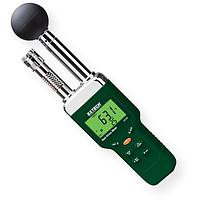
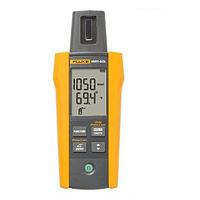
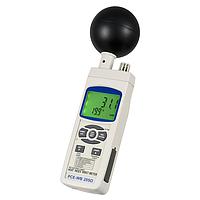
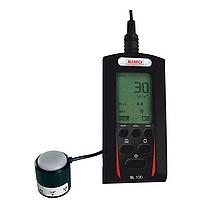
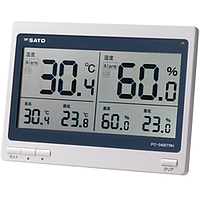
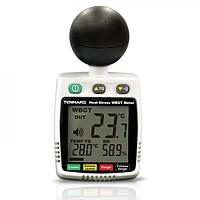
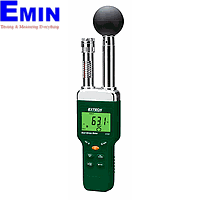
Typical examples in this category include the TENMARS Heat Stress Meter Inspection Service, skSATO Heat Meter Inspection Service, KIMO Heat Meter Inspection Service, PCE Heat Meter Inspection Service, FLUKE Solar Meter Inspection Service, and EXTECH Solar Meter Inspection Service. These examples show the range of supported instruments, from occupational heat stress applications to solar radiation measurement used in energy, environmental, or site evaluation work.
Common use cases across industry
Organizations request this type of service for different reasons depending on where the meter is used. In occupational safety, heat stress instruments may support workplace assessments in factories, warehouses, outdoor sites, and high-temperature process areas. In energy and building applications, solar meters may be used for solar installation checks, site surveys, or comparative testing under changing ambient conditions.
UV and radiation-related handheld meters can also play a role in environmental checks, laboratory work, material exposure studies, and maintenance tasks where relative measurement quality matters. When instruments are shared between teams, transported frequently, or exposed to dust, heat, sunlight, and field handling, routine inspection becomes even more valuable.
What an inspection service helps you verify
Although the exact workflow can vary by instrument type, the overall purpose is similar: to review the operating condition of the meter and assess whether it responds appropriately for its intended measurement function. This may include checking the instrument’s general condition, display and controls, sensor behavior, and basic measurement response under suitable inspection procedures.
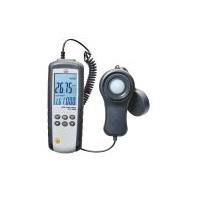
For users managing multiple environmental instruments, inspection also supports a more consistent maintenance cycle. It helps separate devices that remain serviceable from those that may require further attention, replacement planning, or comparison against a more formal verification program. If your team also manages related instruments such as light meter inspection services, aligning intervals across categories can simplify asset control.
Brand coverage and service examples
This category includes service examples associated with widely used instrument brands in environmental measurement. Among the notable options are services related to FLUKE, EXTECH, PCE, Sauermann, skSATO, and TENMARS. Brand-specific examples can help users quickly identify a relevant service path when they already know the instrument family in use.
Representative listings include FLUKE Solar Meter Inspection Service and EXTECH Solar Meter Inspection Service for solar measurement applications, as well as heat-related services from TENMARS, skSATO, PCE, and Sauermann-linked KIMO instruments. The goal is not simply to match a brand name, but to support the inspection needs of the actual meter type and its operating role.
How to choose the right inspection service
Start with the actual function of the instrument rather than the label alone. A heat stress meter, a heat meter, and a solar meter may all belong to the same broader environmental instrument family, but they are used for different measurement tasks. Choosing the correct service category is easier when you confirm the device type, manufacturer, and the application it supports in your workflow.
It is also useful to consider how the instrument is being used: routine workplace monitoring, site acceptance checks, periodic environmental surveys, or internal quality control. The more critical the data is to safety, compliance, or repeatable technical evaluation, the more important it becomes to keep inspection intervals under control. For organizations handling a broader set of field instruments, related services such as sound level meter inspection or dew point meter inspection may also be relevant within the same maintenance program.
Supporting better asset management for environmental instruments
Inspection services do more than address a single instrument issue. They support broader asset reliability by helping teams maintain visibility over instrument condition, usage history, and service timing. This is especially helpful for companies with distributed sites, mobile technicians, EHS programs, or mixed fleets of handheld environmental meters.
When inspection is handled as part of a regular maintenance process, organizations can reduce uncertainty before field deployment and make better decisions about continued use, replacement timing, or escalation to other technical services. In this way, inspection becomes part of a practical measurement management strategy rather than a one-time corrective action.
Choosing with confidence
When your work depends on dependable readings for thermal exposure, solar conditions, or UV-related checks, an organized inspection plan helps protect both measurement quality and operational confidence. This category brings together relevant services for instruments used in those applications, with examples across recognized brands and common meter types.
If you are selecting a service for a specific unit, it helps to begin with the instrument’s intended measurement purpose and brand, then match it to the most suitable inspection path. A clear, category-based approach makes it easier to manage environmental instruments consistently and keep important field devices ready for use.
Get exclusive volume discounts, bulk pricing updates, and new product alerts delivered directly to your inbox.
By subscribing, you agree to our Terms of Service and Privacy Policy.
Direct access to our certified experts