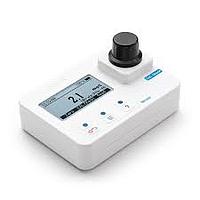
Nitrate and Nitrite Meters Inspection Service
Reliable nitrate and nitrite readings are critical in water quality control, environmental monitoring, aquaculture, agriculture, and laboratory workflows. When a meter begins to drift, respond slowly, or produce inconsistent results, inspection becomes an important step in protecting data quality and reducing the risk of incorrect process decisions.
This page covers Nitrate and Nitrite Meters Inspection Service for organizations that depend on accurate ion measurement in routine testing or field applications. Whether you use handheld instruments for spot checks or dedicated meters in a broader monitoring workflow, periodic inspection helps confirm instrument condition, identify wear, and support more consistent measurement performance over time.
Why inspection matters for nitrate and nitrite meters
Nitrate and nitrite measurement can be sensitive to sensor condition, sample handling, electrode performance, and overall instrument stability. In practical use, even small issues such as contamination, aging components, connector problems, or response drift can affect repeatability and confidence in the result.
A professional inspection service helps evaluate the meter’s operating condition before problems become more serious. For B2B users, this is especially useful when instruments are part of compliance routines, internal quality systems, environmental reporting, or process control where dependable readings matter every day.
What this service is typically used for
This inspection category is suited to instruments used for measuring nitrate and nitrite in water-related applications. Common use cases include wastewater checks, surface water assessment, educational and research laboratories, food-related testing support, agricultural water management, and aquaculture monitoring.
In these environments, measurement devices are often exposed to frequent handling, transport, changing sample conditions, and repeated cleaning. Over time, those factors may affect the condition of the meter, its sensor interface, and the overall responsiveness of the system. Inspection helps users determine whether the instrument remains suitable for continued use or requires further maintenance action.
Typical inspection considerations
Although inspection scope may vary by instrument type and condition, users generally look for confirmation of basic operational status, visible equipment condition, response behavior, and signs of deterioration that could influence measurement results. For nitrate and nitrite meters, attention is often given to the condition of sensing elements, electrical connections, display or control functions, and overall instrument handling status.
Inspection is not just about finding obvious faults. It can also help identify early-stage issues that may not yet be visible in daily use, such as unstable readings, slower response, or abnormal behavior during normal operation. This makes the service useful both for troubleshooting and for preventive maintenance planning.
Compatible brands and representative services
This category includes inspection support for selected instruments from manufacturers commonly used in environmental and laboratory measurement workflows. Representative examples include HORIBA and HANNA, both of which are widely recognized in water analysis and portable testing applications.
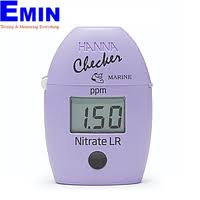
Example services available in this category include the HORIBA Nitrate meter Inspection Service and the HANNA Nitrate meter Inspection Service. These examples help illustrate the scope of support available for users who need inspection for brand-specific nitrate measurement equipment, while still keeping the focus on the instrument’s condition and usability rather than on product promotion.
How to choose the right inspection service
When selecting an inspection service, it is helpful to confirm the instrument brand, application, and the symptoms you are seeing in the field or lab. If the meter shows unstable values, poor repeatability, delayed response, or physical wear, sharing that information in advance can help streamline the inspection process and improve the relevance of the service outcome.
It is also worth considering how the meter is used within your operation. Instruments in routine environmental monitoring programs may need more regular inspection than units used occasionally. For organizations managing several water-quality parameters, related services such as ion measurement electrode inspection or water activity meter inspection can also be relevant within a wider maintenance plan.
Benefits for B2B maintenance and quality workflows
For industrial, institutional, and laboratory users, an inspection service supports more than just instrument upkeep. It can help improve asset visibility, reduce unplanned downtime, and create a clearer basis for decisions about continued use, repair, or replacement. This is especially useful when multiple instruments are managed across sites, departments, or service intervals.
Regular inspection also supports a more structured approach to measurement reliability. Instead of waiting until a device clearly fails, teams can use inspection as part of a proactive equipment management strategy. That approach often leads to better workflow continuity and fewer disruptions in testing operations.
When to schedule inspection
Many users consider inspection after heavy field use, before important testing campaigns, when results appear inconsistent, or as part of periodic preventive maintenance. Instruments that are transported often or used in demanding sampling conditions may benefit from more frequent checks than devices kept in stable laboratory environments.
If your nitrate or nitrite meter is part of a broader environmental measurement setup, coordinating service intervals across related devices can be practical. In some cases, organizations also review complementary services such as dew point meter inspection for other monitoring points in the same maintenance ecosystem.
Support a more dependable measurement program
Choosing the right inspection service helps keep nitrate and nitrite measurement instruments aligned with the real demands of daily operation. From troubleshooting unstable readings to supporting preventive maintenance, inspection provides useful insight into instrument condition without overcomplicating the maintenance process.
For organizations that rely on water analysis and environmental monitoring, this category offers a practical starting point for maintaining accurate, dependable instruments. If you are managing HORIBA, HANNA, or similar nitrate measurement devices in routine use, inspection can be a sensible step toward more stable results and more confident decision-making.
Get exclusive volume discounts, bulk pricing updates, and new product alerts delivered directly to your inbox.
By subscribing, you agree to our Terms of Service and Privacy Policy.
Direct access to our certified experts