Nickel Meter Inspection Service
Reliable nickel measurement depends not only on the instrument itself, but also on how well its performance is checked over time. In water treatment, plating, chemical processing, and laboratory work, even small measurement deviations can affect process control, reporting quality, and day-to-day decision making. A professional Nickel Meter Inspection Service helps confirm that the meter is operating as expected and remains suitable for its intended application.
This service is relevant for organizations that use nickel meters as part of routine monitoring, incoming quality checks, or environmental testing workflows. Whether the instrument is used periodically or in continuous quality programs, inspection supports more consistent readings, better traceability, and reduced risk of relying on a device that may have drifted from normal performance.
Why nickel meter inspection matters
Nickel measurement is often part of a broader control strategy where data accuracy matters. If a meter produces unstable or biased readings, the impact may extend beyond a single test result. It can influence process adjustments, maintenance decisions, and documentation used for internal quality systems.
Regular inspection helps identify issues such as response instability, reading deviation, or general instrument condition before they become a larger operational problem. For companies that depend on repeatable measurements, inspection intervals are a practical way to maintain confidence in the instrument without waiting for obvious failure signs.
What is typically reviewed during the service
A nickel meter inspection service generally focuses on verifying whether the device is functioning correctly within normal operating expectations. This may include checking the condition of the meter, reviewing basic measurement behavior, and assessing whether the instrument responds consistently under controlled conditions.
For portable and benchtop analyzers alike, the goal is not simply to confirm that the meter powers on, but to evaluate its usefulness as a measurement tool. In practice, this means paying attention to measurement stability, response behavior, display performance, and the overall readiness of the device for continued use in technical environments.
Suitable applications for this service
This category is particularly relevant for users who monitor nickel concentration in water-related or laboratory processes. Inspection can be valuable in industrial facilities, environmental monitoring workflows, research settings, and quality assurance departments where nickel data is part of routine control or reporting.
It is also useful when instruments are shared across teams, used intermittently, or exposed to demanding field conditions. In these cases, periodic checks help reduce uncertainty and support more dependable results, especially when the meter is part of a broader set of environmental or analytical instruments.
Support for HANNA nickel measurement equipment
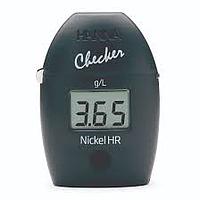
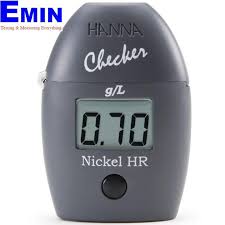
For users working with HANNA instruments, this service provides a practical option for checking the condition and performance of nickel meters within normal maintenance and quality routines. The featured service item, HANNA Nikel Meter Inspection Service, is relevant for organizations that want to keep their equipment under review and reduce uncertainty in regular testing work.
When selecting a service option, it is helpful to match the inspection scope with the actual operating context of the instrument. A meter used for frequent process checks may require a different service rhythm than one used occasionally for verification or spot testing. This application-based approach usually leads to more efficient equipment management.
How to choose the right inspection schedule
There is no single interval that fits every nickel meter. The right schedule depends on how often the instrument is used, how critical the measurement is to operations, and the conditions in which the device is stored and operated. Instruments used in humid, chemically exposed, or high-usage environments often benefit from more regular attention.
It is also worth considering whether the meter is part of a documented quality system. Where traceability and repeatability are important, a structured inspection plan can support audit readiness and internal process discipline. In many cases, the cost of routine inspection is lower than the cost of acting on unreliable measurement data.
Related instrument inspection services
Nickel meters are often managed alongside other environmental and analytical devices. If your team maintains multiple instruments, it can be helpful to review related services for similar monitoring tasks. For example, applications involving broader water quality analysis may also involve ion measurement electrode inspection or water activity meter inspection depending on the testing environment.
In facilities with wider environmental monitoring responsibilities, other instruments may also require periodic review, such as light meter inspection. Looking at inspection needs across the full instrument fleet can make service planning more consistent and easier to manage.
Practical benefits for maintenance and quality teams
A structured inspection service supports more than technical verification alone. It also helps maintenance, laboratory, and quality teams organize instrument care in a more predictable way. This is particularly valuable in B2B environments where multiple users depend on the same device and where equipment availability affects workflow timing.
From an operational perspective, preventive inspection can reduce unplanned interruptions, support better maintenance records, and improve confidence in collected data. Over time, this contributes to a more disciplined equipment management process and helps teams make better decisions about continued use, servicing, or replacement.
Conclusion
Choosing a professional nickel meter inspection service is a practical step for organizations that depend on stable, trustworthy measurement results. It helps verify instrument condition, supports routine quality control, and reduces the risk of making decisions based on uncertain readings.
If your operation uses nickel meters as part of water analysis, laboratory testing, or industrial monitoring, periodic inspection can be an effective part of long-term instrument management. A service option aligned with your actual usage pattern will usually provide the best balance between equipment reliability, process confidence, and day-to-day efficiency.
Get exclusive volume discounts, bulk pricing updates, and new product alerts delivered directly to your inbox.
By subscribing, you agree to our Terms of Service and Privacy Policy.
Direct access to our certified experts