
Magnesium Meter Inspection Service
Reliable magnesium measurement depends not only on the instrument itself, but also on the condition and verification status of the device used in the field or laboratory. For applications related to water quality control, process monitoring, and environmental testing, periodic inspection helps confirm that a magnesium meter is operating consistently and remains suitable for routine use.
Magnesium Meter Inspection Service is intended for organizations that need better confidence in measurement performance, traceability in maintenance workflows, and reduced risk of incorrect readings during daily operation. This is especially relevant when magnesium values are used to support quality decisions, compliance activities, or broader analytical testing programs.
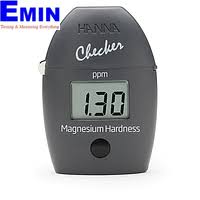
Why inspection matters for magnesium measurement instruments
Magnesium meters are often used in environments where measurement reliability directly affects technical judgment. Even when an instrument appears to function normally, factors such as sensor condition, aging components, handling history, or operating environment can gradually influence measurement behavior. An inspection service helps identify these issues before they lead to inconsistent results.
For many users, inspection is part of a practical asset management approach rather than a one-time corrective action. It supports routine verification of instrument condition, highlights potential performance concerns, and helps maintenance teams decide whether a device can continue in service, needs adjustment, or should be evaluated further.
What this service typically supports
A professional inspection process generally focuses on the overall condition and functional status of the instrument. This may include reviewing basic operation, checking response behavior, assessing visible physical condition, and confirming whether the device performs as expected within its intended application context. The exact workflow can vary depending on the meter design and its usage history.
For users working with HANNA instruments, the HANNA Magnesium meter Inspection Service can be a relevant option when maintaining equipment used for water analysis and related testing tasks. The goal is not simply to review the device superficially, but to support more dependable operation across ongoing measurement work.
Common situations where an inspection is recommended
Inspection is often useful when a magnesium meter has been used regularly over an extended period, transported frequently between sites, or exposed to demanding operating conditions. It can also be appropriate when users notice unstable readings, slower response, unusual behavior during setup, or uncertainty about whether the instrument still performs in line with internal expectations.
Another common case is preventive maintenance planning. Instead of waiting for obvious failure, many organizations schedule inspection at defined intervals to reduce downtime and maintain more stable measurement quality. This approach is especially helpful when the meter is part of a broader testing workflow involving other environmental or water analysis devices.
How inspection fits into a broader environmental instrument program
Magnesium measurement is rarely isolated from the rest of an environmental monitoring process. In practice, companies often manage multiple instruments at the same time, each with its own inspection or maintenance cycle. Coordinating these activities can improve documentation, reduce service gaps, and simplify internal equipment control.
For example, teams that also manage electrochemical sensors may benefit from reviewing related services such as ion measurement electrode inspection. In facilities where moisture-related parameters are also monitored, dew point meter inspection may be part of the same maintenance planning framework.
Points to consider when selecting a magnesium meter inspection service
When evaluating a service option, it is useful to consider the instrument type, how intensively it is used, and the level of documentation required by your organization. A suitable service should align with your operational needs, whether the meter is used in routine water testing, periodic field checks, or internal quality control activities.
It is also worth considering manufacturer relevance and service familiarity with the device ecosystem. For users operating equipment from established brands such as HANNA, service selection may be influenced by compatibility with the product family, expected handling procedures, and the need for practical support within a larger instrument fleet.
Benefits for maintenance, quality, and day-to-day operation
A structured inspection service can help reduce uncertainty in daily measurement work. Instead of relying only on user impressions or occasional troubleshooting, inspection provides a more systematic view of instrument condition. That can support more informed maintenance decisions and help avoid interruptions caused by unnoticed performance drift.
There is also a documentation benefit. In B2B environments, service records often support internal audits, maintenance history tracking, and equipment lifecycle management. When combined with regular review of related devices such as water activity meter inspection services, companies can build a more consistent approach to environmental instrument oversight.
Who can benefit from this category
This category is relevant for laboratories, industrial plants, water treatment operations, environmental monitoring teams, and service departments that rely on magnesium measurements as part of broader analytical or process control work. It is particularly suitable for organizations that want clearer maintenance planning rather than reacting only after instrument problems appear.
It may also be useful for procurement and technical managers comparing service options across multiple instrument classes. In that context, reviewing related categories such as light meter inspection services can help standardize service sourcing across a wider equipment portfolio.
Supporting more dependable magnesium meter operation
Choosing the right inspection path helps protect the value of the instrument and supports more reliable measurement results over time. For magnesium meters used in water and environmental applications, routine inspection is a practical way to improve operational confidence, identify issues earlier, and keep maintenance activities aligned with actual usage conditions.
If your team needs a clearer way to manage instrument condition, this category provides a focused starting point for inspection service selection. With the right service approach, magnesium measurement devices can remain better supported within your broader environmental instrument maintenance program.
Get exclusive volume discounts, bulk pricing updates, and new product alerts delivered directly to your inbox.
By subscribing, you agree to our Terms of Service and Privacy Policy.
Direct access to our certified experts
