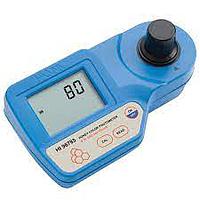
Honey Photometer Inspection Service
Reliable color measurement is important in honey processing, trading, and quality control, where small deviations can affect product grading and batch acceptance. When a portable instrument is used to assess honey color, regular inspection helps confirm that the device is operating consistently and that the readings remain suitable for day-to-day verification work.
Honey Photometer Inspection Service is intended for businesses that use portable photometers in laboratory, production, or incoming quality inspection workflows. This service supports confidence in measurement results by checking instrument condition and performance in a way that fits practical B2B use, especially where traceable and repeatable quality checks are part of routine operations.
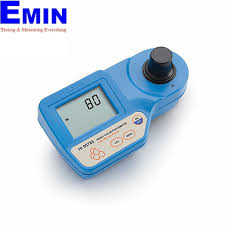
Why inspection matters for honey color measurement
Honey color is often used as a quick and useful quality indicator for classification, process monitoring, and product comparison. Because photometric measurement depends on the performance of the optical system, display response, and overall instrument stability, periodic inspection helps identify drift, wear, or handling-related issues before they affect routine decisions.
For companies that rely on portable instruments across multiple batches or locations, inspection is also a way to reduce uncertainty in internal checks. A device that appears to function normally may still produce inconsistent results if it has not been reviewed over time, especially after frequent transport or repeated use in demanding environments.
What this service is typically used for
This category is relevant for users who need inspection support for portable honey photometers used in food quality control and related testing activities. In practice, the service helps determine whether the instrument remains suitable for ongoing use and whether its response is aligned with expected measurement behavior.
A representative example in this category is the HANNA Honey color portable photometer Inspection Service. For businesses already working with HANNA instruments, this provides a clear path to maintain confidence in equipment used for routine honey color checks without treating the instrument as a simple disposable tool.
Typical checkpoints in photometer inspection
Although exact procedures depend on the device and service scope, inspection of a portable photometer generally focuses on the core elements that influence measurement reliability. This may include evaluation of optical performance, response consistency, physical condition, user interface operation, and overall instrument functionality.
In addition to measurement behavior, practical inspection often considers signs of contamination, handling damage, or issues affecting repeatability during normal operation. For portable equipment, these checks are particularly valuable because field use, storage conditions, and transport can gradually influence performance even when faults are not immediately visible.
- General condition of the instrument body and measurement area
- Basic functional response during operation
- Stability and consistency of displayed results
- Suitability for continued use in routine quality control
Who should consider this service
This service is relevant for honey producers, food laboratories, trading companies, packing facilities, and quality departments that use portable color measurement as part of product evaluation. It is especially useful where internal specifications, customer requirements, or documented quality systems require instruments to be reviewed at defined intervals.
Inspection can also be valuable before seasonal production peaks, after long periods of storage, or when users observe unusual variation between samples. In these situations, checking the instrument condition helps separate true product variation from possible equipment-related errors.
How inspection supports broader quality workflows
Portable photometers are rarely used in isolation. In many facilities, they are part of a wider inspection and measurement environment that may include water-related analysis, environmental checks, and workplace monitoring. Keeping each instrument in suitable condition helps maintain smoother quality control processes across departments.
If your operation also depends on other measuring devices, related services such as ion measurement electrode inspection or water activity meter inspection may be relevant. For facilities that manage environmental conditions in storage or test areas, light meter inspection can also complement a structured equipment maintenance plan.
Choosing the right inspection support
When selecting an inspection service for a honey photometer, it helps to consider how the instrument is used in your process. Review whether the device is dedicated to incoming inspection, production release, laboratory comparison, or field verification, because usage frequency and criticality often determine how important regular review becomes.
It is also useful to look at the instrument’s operating history, including transport frequency, cleaning practices, and any past measurement inconsistencies. A well-planned inspection schedule can reduce unplanned downtime, support internal documentation, and improve confidence when measurement results are used for quality decisions.
A practical approach for maintaining photometer reliability
For many businesses, inspection is less about formality and more about protecting the integrity of routine measurements. A portable honey photometer is a compact instrument, but its role in classification and quality checks can be significant, especially when multiple batches are compared over time.
By using a service aligned with actual operating needs, companies can keep their equipment in better working condition and make more informed decisions about continued use, maintenance planning, or replacement timing. If honey color measurement is part of your regular workflow, this category offers a focused starting point for maintaining the reliability of that process.
Get exclusive volume discounts, bulk pricing updates, and new product alerts delivered directly to your inbox.
By subscribing, you agree to our Terms of Service and Privacy Policy.
Direct access to our certified experts