Fluoride Meter Inspection Service
Accurate fluoride measurement matters wherever water quality, process control, or laboratory verification depends on dependable ion analysis. When a meter begins to drift, responds slowly, or produces inconsistent readings, routine inspection helps confirm whether the instrument is still suitable for use and whether its overall measurement condition remains acceptable for daily work.
Fluoride Meter Inspection Service is intended for users who need a practical way to evaluate the condition of fluoride testing instruments used in environmental, industrial, and laboratory settings. This type of service is especially relevant for organizations that rely on repeatable measurement results, documented equipment status, and timely maintenance planning.
Why fluoride meter inspection is important
Fluoride meters are used to assess fluoride ion concentration in water and related samples, so even small measurement issues can affect interpretation and downstream decisions. Over time, sensor condition, meter response, connectors, and general instrument stability may change due to normal use, storage conditions, or exposure to demanding sample environments.
A scheduled inspection provides a structured review of the instrument’s operating state. For maintenance teams, laboratories, and quality personnel, this helps reduce uncertainty, identify early signs of deterioration, and decide whether further adjustment, repair, or replacement should be considered.
What is typically reviewed during an inspection service
In practice, a fluoride meter inspection service focuses on the instrument’s measurement condition and general functional status rather than simply checking whether it powers on. The process may include review of responsiveness, display or interface behavior, basic operating functions, and the overall condition of the meter as used for fluoride measurement.
Because fluoride measurement often depends on the interaction between the meter and its sensing components, inspection is also relevant to the broader ion measurement setup. If your workflow also relies on related sensing elements, you may want to review options for ion measurement electrode inspection services as part of a more complete maintenance program.
Suitable users and common application environments
This service is relevant to organizations that manage water testing instruments as part of routine monitoring, incoming quality control, environmental checks, or laboratory analysis. Typical users may include industrial plants, utilities, service contractors, educational laboratories, and technical teams responsible for periodic equipment verification.
Where multiple environmental instruments are used side by side, inspection planning is often handled as a grouped activity. For example, sites that monitor air, moisture, and water parameters together may also require services such as dew point meter inspection or light meter inspection to keep their broader instrument fleet in good condition.
Supported brands and service examples
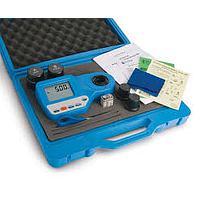
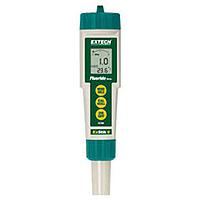
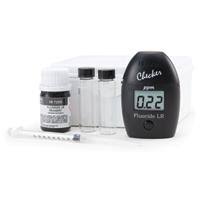
This category includes inspection support for selected instruments from established manufacturers commonly used in portable and bench measurement workflows. Examples in this category include the EXTECH and HANNA product ecosystem, with service entries such as EXTECH Fluoride meter Inspection Service and HANNA Fluoride meter Inspection Service.
The purpose of mentioning these examples is to clarify the scope of supported service references, not to suggest that every instrument should be handled in the same way. Inspection needs can vary depending on meter design, usage frequency, operating conditions, and how the instrument is integrated into the user’s measurement process.
How to choose the right inspection service
When selecting a fluoride meter inspection option, it helps to prepare a few practical details first: the instrument brand, service history, observed symptoms, and how the meter is used in the field or lab. This makes it easier to match the inspection scope to the actual condition of the device and to avoid unnecessary service delays.
You should also consider whether the issue appears isolated to the meter itself or may involve the wider test setup, including electrodes, accessories, or sample handling practice. A clear understanding of the full measurement chain often leads to better troubleshooting and more meaningful inspection results.
When inspection should be considered
Inspection is worth considering when readings become unstable, the device reacts more slowly than expected, or repeated tests show unusual variation. It is also a sensible step after long storage, before returning instruments to critical use, or as part of routine quality assurance intervals.
For organizations with documented maintenance schedules, periodic inspection supports traceability and improves confidence in operational instruments. Even when no obvious failure is present, a preventive review can help identify wear or performance concerns before they interrupt regular testing work.
Supporting a broader instrument maintenance workflow
Many technical teams do not manage fluoride meters in isolation. They often maintain a portfolio of environmental instruments with different functions, and keeping those devices on a consistent inspection cycle can simplify administration and improve equipment availability.
Where this applies, it can be useful to align fluoride meter checks with other routine services, such as water activity meter inspection. A structured approach across related instruments helps standardize maintenance planning and supports more reliable measurement operations over time.
Final considerations
A fluoride meter is only as useful as the confidence users can place in its readings. By scheduling inspection at appropriate intervals and reviewing the condition of the instrument before problems escalate, organizations can support more stable measurement work and make better decisions about maintenance, repair, or continued use.
If you are reviewing service options for fluoride testing instruments, this category provides a focused starting point for assessing equipment condition within a professional environmental measurement workflow.
Get exclusive volume discounts, bulk pricing updates, and new product alerts delivered directly to your inbox.
By subscribing, you agree to our Terms of Service and Privacy Policy.
Direct access to our certified experts