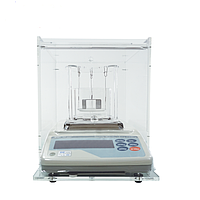
Density and concentration meter Inspection Service
Reliable process control often depends on one simple requirement: the instrument must be reading correctly. In applications where density, concentration, specific gravity, or refractive properties influence product quality, periodic inspection helps verify that measurement results remain consistent and suitable for day-to-day operation.
Density and concentration meter inspection service is intended for companies that use these instruments in production, laboratory work, quality control, or material verification. Whether the device is used for liquids, solutions, raw materials, or finished products, inspection supports measurement confidence, helps identify drift or abnormal behavior, and reduces the risk of decisions based on inaccurate data.
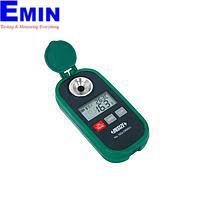
Why inspection matters for density and concentration measurement
Density and concentration meters are often used where even small deviations can affect formulation, process stability, or acceptance criteria. Over time, sensors and measuring mechanisms may be influenced by contamination, aging, handling conditions, or normal wear, leading to readings that no longer reflect actual process conditions.
A structured inspection service helps confirm overall instrument condition and measurement behavior. For maintenance teams and QA personnel, this is an important step in maintaining measurement reliability across production and testing environments, especially when instruments are part of routine verification workflows.
Typical instruments covered in this category
This category is relevant to a range of devices used to evaluate fluid properties and concentration-related values. Depending on the application, that may include densimeters, density sensors, gravity meters, and refractometers used as part of concentration assessment or material control.
Examples in this category include the Cometech Densimeter Inspection Service, skSATO Refractometer Inspection Service, Centec Density Sensor Inspection Service, and Malcom Gravity Meter Inspection Service. These examples show that the service scope is not limited to one measurement principle, but extends across instruments commonly used to monitor physical properties linked to concentration and composition.
Common application environments
Inspection demand for this type of equipment is typically driven by industries where product consistency and traceable checks are important. Density and concentration measurements may support incoming material inspection, in-process control, final quality checks, or routine laboratory testing.
These instruments are often found in manufacturing lines, testing rooms, utility monitoring points, and process environments where operators need dependable readings to compare batches or evaluate system conditions. In these settings, inspection helps users confirm that an instrument still performs as expected before it affects process decisions.
What users usually check when selecting an inspection service
When choosing a service for this category, buyers usually focus on the type of instrument, the measurement principle involved, and how the device is used in actual work. A portable refractometer, an inline density sensor, and a benchtop gravity meter may all relate to concentration control, but their inspection needs can differ because of installation method, operating environment, and required handling.
Another practical consideration is the manufacturer ecosystem. Users working with instruments from skSATO, Centec, Cometech, or Malcom often prefer a service flow that aligns with the original equipment type and intended application. For procurement and maintenance planning, matching the service to the actual measuring device is more useful than choosing a generic inspection option.
Representative brands and service examples
Several established manufacturers appear prominently in this category. skSATO is widely associated with refractometer-related applications, while Centec is relevant for density sensor inspection needs in process environments. Cometech and Malcom are also included through service examples for densimeter and gravity meter equipment.
These product references help buyers quickly identify suitable service directions without turning the page into a long product list. If your equipment portfolio includes multiple environmental or analytical instruments, it may also be useful to review related service categories such as water activity meter inspection or dew point meter inspection where similar maintenance planning logic applies.
How inspection supports maintenance and quality workflows
For B2B users, inspection is rarely an isolated task. It is usually part of a broader maintenance schedule that may include routine checks, troubleshooting, performance review, and replacement planning. By identifying signs of instability early, inspection can help reduce unplanned downtime and avoid the spread of incorrect measurement data through production records or QC reports.
This is especially relevant when density or concentration values are used to compare lots, verify process adjustments, or support acceptance decisions. In that context, instrument inspection becomes a practical risk-control measure rather than a simple administrative activity.
Choosing the right service scope for your instrument fleet
If your facility uses more than one type of measurement device, it is helpful to group inspection needs by application and instrument function. Some users manage portable devices for field checks, while others rely on installed sensors or lab instruments for regular quality evaluation. A clear understanding of where each instrument fits in the workflow makes service selection more efficient.
It is also useful to review whether the device is primarily used for density, concentration, refractive measurement, or specific gravity comparison. That context helps narrow the most relevant option in this category and improves communication between purchasing, engineering, and quality teams. For organizations handling multiple brands, a structured review of model-by-model service needs can simplify planning across the entire inspection program.
Final considerations
Keeping density and concentration measurement instruments in check is an important part of stable production and dependable quality control. From densimeters and refractometers to density sensors and gravity meters, regular inspection helps users maintain confidence in the values they rely on every day.
If you are reviewing service options for instruments from skSATO, Centec, Cometech, or Malcom, this category provides a focused starting point for selecting the appropriate inspection path. A well-matched service approach supports better maintenance decisions, more consistent measurement performance, and smoother operation across technical B2B environments.
Get exclusive volume discounts, bulk pricing updates, and new product alerts delivered directly to your inbox.
By subscribing, you agree to our Terms of Service and Privacy Policy.
Direct access to our certified experts