CO2 in Liquid Meter Meter Inspection Service
In beverage processing, water treatment, and other liquid-handling applications, reliable CO2 measurement is closely tied to product quality, process stability, and reporting confidence. When a meter is used to verify dissolved carbon dioxide in liquid, periodic inspection helps confirm that the instrument is still operating within expected performance and remains suitable for routine use.
This page focuses on CO2 in Liquid Meter Meter Inspection Service for users who need a practical way to assess the condition and performance of their measuring equipment. Whether you are managing a single portable device or supporting multiple instruments across a production environment, inspection services can help reduce uncertainty before measurement drift affects process decisions.
Why inspection matters for CO2 measurement in liquids
Measuring carbon dioxide in liquid can be sensitive to operating conditions, instrument condition, and how the meter is used in the field. In many applications, even small deviations may lead to inconsistent quality checks, unnecessary troubleshooting, or uncertainty when comparing readings over time.
An inspection service is useful when you want an informed evaluation of the instrument’s working state, response behavior, and overall suitability for continued operation. It is especially relevant for devices used in recurring quality control routines, incoming verification, or process monitoring where dependable readings support production decisions.
What this inspection service is intended to support
This category is designed for organizations that use CO2-in-liquid measuring instruments and need a structured technical review of their equipment. The service supports maintenance planning, routine quality programs, and general instrument management in environments where dissolved gas measurement is part of normal operations.
Typical needs may include checking an instrument before critical production runs, reviewing the condition of a meter that has been in service for an extended period, or evaluating a device after transport, storage, or heavy use. In these cases, inspection provides a practical checkpoint before the meter returns to regular operation.
Examples of instruments covered in this category
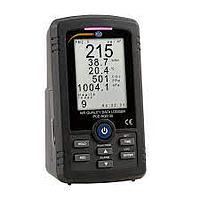
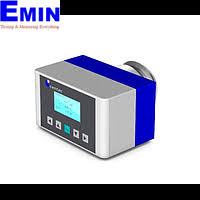
Within this category, representative service options include the PCE CO2 in liquid meter Inspection Service and the Centec CO2 in liquid meter Inspection Service. These examples help indicate the type of equipment supported here without limiting the broader context of inspection needs for CO2 measurement devices used in liquid analysis.
If your facility standardizes around a particular manufacturer, it can also be helpful to review the broader product ecosystem from PCE or Centec. Looking at the manufacturer range may help users align service planning with the instruments already deployed across production or laboratory workflows.
How to decide when an instrument should be inspected
A meter does not always need attention only after a failure occurs. Many teams schedule inspections based on usage frequency, internal quality procedures, or operational risk. Instruments that are used daily, moved between sites, or exposed to demanding environments may benefit from more regular checks than units used occasionally.
Inspection is also worth considering when readings appear inconsistent, when operators notice slower response, or when results no longer match process expectations. Even if the device still powers on and appears functional, performance changes can develop gradually and may not be obvious without technical review.
For companies managing several environmental or analytical instruments at once, inspection planning is often more effective when handled as part of a wider service strategy. Related service categories such as dew point meter inspection or water activity meter inspection may also be relevant in multi-instrument environments.
What buyers and maintenance teams usually look for
From a B2B perspective, the main goal is rarely just to “check the meter.” Buyers, QA teams, and maintenance personnel usually need a service process that supports traceability, reduces unexpected downtime, and helps them make clear decisions about continued use of the instrument. That is why inspection is often viewed as part of broader asset reliability rather than a one-time administrative task.
When evaluating service options, it is useful to consider the meter’s application, how often it is used, the consequences of incorrect readings, and whether the device supports critical release or compliance-related checks. A well-timed inspection can help prevent avoidable disruptions and improve confidence in measurement data used for operations or quality review.
Inspection service in the context of environmental instrument management
CO2 measurement devices are only one part of a larger environmental and process instrumentation landscape. Facilities often maintain several instrument types for air, water, product, or ambient condition monitoring, each with its own inspection interval and operational priority.
Building a structured inspection plan across instrument categories helps standardize service records and improve maintenance visibility. Depending on your setup, you may also need support for tools such as sound level meter inspection in environmental monitoring or other specialized devices used in technical control workflows.
Choosing the right service path for your operation
The most suitable inspection approach depends on how the CO2 meter fits into your workflow. A laboratory or quality team may prioritize measurement confidence and repeatability, while a production site may focus more on uptime, rapid turnaround, and minimizing disruption to ongoing operations.
It is also helpful to review service needs by manufacturer, installed base, and instrument criticality. Where multiple units are in use, grouping inspections by brand or application can simplify planning and make service coordination more efficient over time.
Practical next step
If your process depends on dependable dissolved CO2 readings, regular inspection is a sensible way to verify instrument condition before small issues turn into larger process or quality problems. This category brings together service options relevant to that need, with examples from established manufacturers such as PCE and Centec.
For many technical teams, the value of inspection lies in maintaining confidence in daily measurements and supporting better maintenance decisions. Reviewing the available service options in this category is a practical starting point for keeping CO2-in-liquid measurement equipment aligned with the demands of your operation.
Get exclusive volume discounts, bulk pricing updates, and new product alerts delivered directly to your inbox.
By subscribing, you agree to our Terms of Service and Privacy Policy.
Direct access to our certified experts