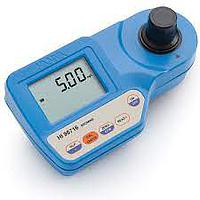
Bromine Concentration Meter Inspection Service
Accurate bromine measurement is important wherever water quality must be controlled consistently, from treatment processes to routine environmental monitoring. When a bromine meter drifts, responds slowly, or no longer reflects the actual condition of the sample, inspection becomes essential to maintain confidence in the data used for operation, reporting, and corrective action.
Bromine Concentration Meter Inspection Service is intended for users who need to verify the condition and performance of bromine testing instruments in practical working environments. For B2B users, this type of service helps reduce uncertainty in measurement results, supports maintenance planning, and helps identify issues before they affect process control or inspection workflows.
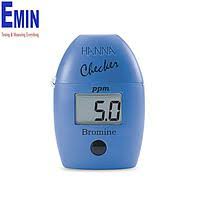
Why bromine meter inspection matters
Bromine concentration is commonly monitored in water-related applications where disinfectant control is part of daily operation. In these situations, the meter is not just a handheld tool or bench instrument; it is part of a broader quality assurance process. If the instrument condition is unclear, even experienced operators may struggle to judge whether a reading issue comes from the sample, the reagent, or the device itself.
A structured inspection service helps assess the meter’s operating condition and detect problems such as unstable readings, display issues, response inconsistency, or other performance-related concerns. This is especially useful for organizations that rely on regular testing and want a more systematic approach than ad hoc troubleshooting.
What an inspection service typically supports
An inspection service for bromine concentration meters is generally focused on checking the instrument’s functional state and identifying whether it is performing as expected for routine use. This may be relevant when the meter has been used continuously in field or laboratory conditions, after a period of storage, or when users notice measurement variation that cannot be explained by normal sample differences.
For maintenance teams and purchasing departments, inspection also supports better lifecycle decisions. Instead of replacing equipment too early or continuing to use an instrument with uncertain performance, companies can use inspection results to make more informed service, repair, or replacement plans.
Typical situations where users request bromine meter inspection
Many inspection requests arise after practical symptoms appear during operation. Common examples include readings that seem inconsistent across repeated tests, longer stabilization time, difficulty confirming sample values, or doubts after the instrument has been transported or used in demanding conditions. In regulated or quality-sensitive environments, even small deviations can create unnecessary retesting and operational delays.
Inspection is also relevant as part of periodic equipment management. Organizations that manage multiple environmental or water-related instruments often group these activities into scheduled service intervals to keep devices in known condition. If your workflow includes related instruments, you may also review services such as ion measurement electrode inspection or water activity meter inspection where broader equipment control is required.
Coverage within the HANNA instrument ecosystem
For users operating instruments from HANNA, service planning often benefits from working within the same equipment ecosystem. This is particularly useful when the site already uses HANNA devices for water quality checks and wants a consistent approach to inspection, maintenance, and instrument condition review across similar applications.
A representative example in this category is the HANNA Bromine meter Inspection Service. It is relevant for businesses that need support around the condition assessment of bromine measurement instruments and want a service path aligned with routine industrial or laboratory use. Rather than focusing only on the device model itself, the practical goal is to help users maintain reliable measurement readiness.
How to decide when inspection is the right next step
Inspection is often the right choice when the instrument still powers on and operates, but the user no longer fully trusts the results or the overall performance. This differs from situations where the problem is clearly a consumable, handling issue, or obvious physical damage. In many cases, inspection is the most efficient first step because it helps narrow down the actual cause before more costly actions are taken.
It is also a sensible option for companies managing preventive maintenance programs. By reviewing instrument condition at planned intervals, teams can reduce unexpected downtime and maintain more stable testing routines. This approach is especially valuable in sites where bromine measurement supports ongoing treatment, sanitation, or environmental verification activities.
Related inspection services for environmental instruments
Bromine meters are only one part of a wider environmental measurement setup. Facilities that monitor multiple parameters often benefit from coordinating inspection activities across different device types, especially when they share the same maintenance cycle or are used by the same quality team.
Depending on the application, related service categories may include light meter inspection service for site monitoring needs or dew point meter inspection service where environmental conditions affect process control. Looking at these related categories can help organizations build a more complete instrument service plan rather than treating each device in isolation.
Choosing a service with practical B2B value
For industrial users, laboratories, utilities, and technical service teams, the main value of inspection is not just checking a device once. The broader benefit is improved measurement reliability, better visibility into equipment condition, and stronger support for internal quality processes. A clear inspection path also helps departments coordinate between operations, maintenance, and procurement.
When selecting a bromine meter inspection option, it is useful to consider the instrument brand in use, the importance of the measurement to your workflow, and whether the device is part of a larger set of environmental instruments. This makes it easier to choose a service approach that supports both immediate troubleshooting and longer-term equipment management.
For organizations that depend on dependable water quality readings, a well-timed inspection can prevent unnecessary uncertainty and help keep testing activities on track. If your bromine meter is showing inconsistent behavior or you want to review its current operating condition, this category provides a focused starting point for that process.
Get exclusive volume discounts, bulk pricing updates, and new product alerts delivered directly to your inbox.
By subscribing, you agree to our Terms of Service and Privacy Policy.
Direct access to our certified experts