Depending on the needs and purposes of use, there are many different types of electrical insulation tape on the market, each of which has its own advantages. Users can choose based on the durability, heat resistance or force resistance of each type of tape.
What is electrical insulation tape?
Insulating tape is a specialized adhesive with the function of isolating conductive surfaces, helping to prevent unwanted contact between electrical components with each other or with non-conductive areas. This product is often used in electronics, electricity, and other industries to protect wires, cables, and electrical components from the risk of short circuits or electrical leakage.
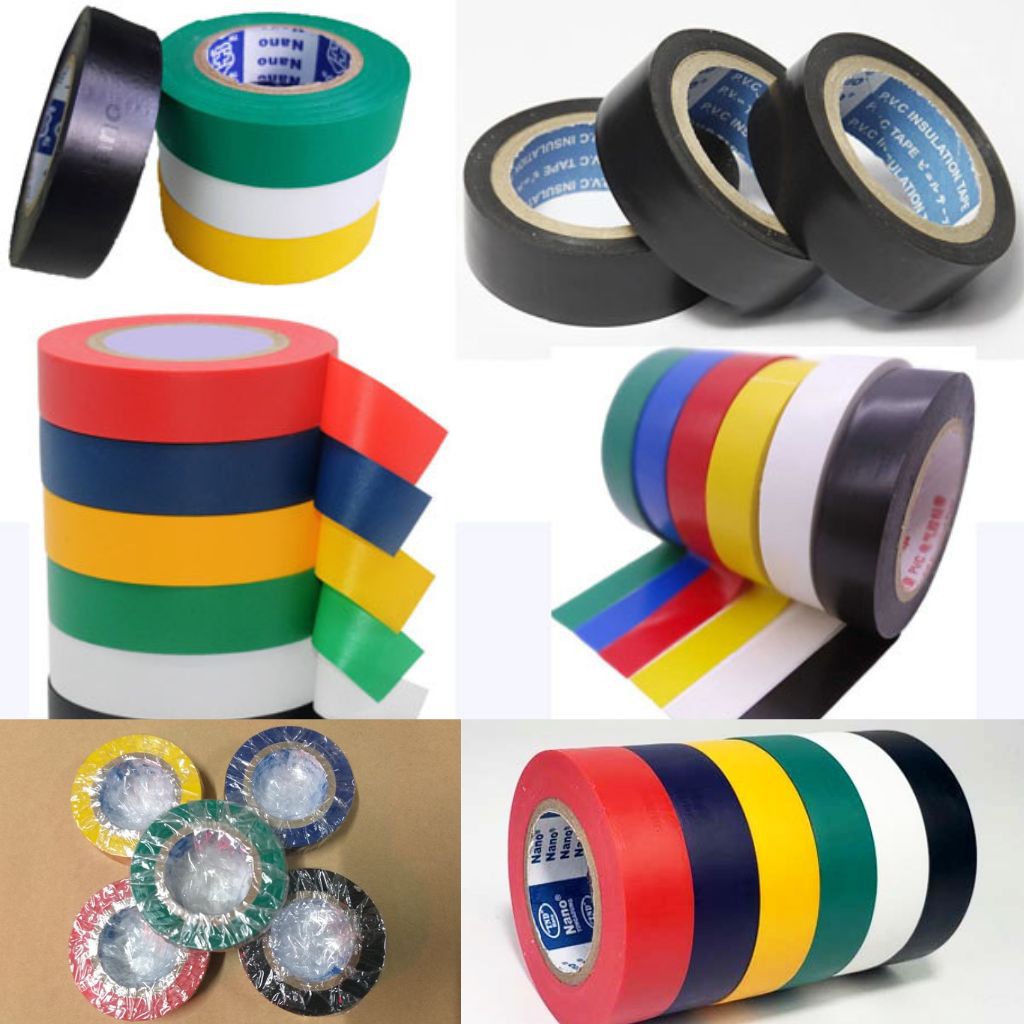
Main structure of electrical insulation tape
The structure of insulating tape consists of three main parts: shell layer, glue layer and insulating material layer.
- The outer shell is usually made from PVC or vinyl, which are flexible materials with good bearing capacity. The function of this shell is to protect internal components from environmental impacts such as moisture, dust and mechanical shock.
- The adhesive layer is located underneath the outer shell, helping the tape adhere tightly to the surface. Usually made from acrylic glue or synthetic rubber glue, this glue layer has high adhesion, ensuring the tape does not come off when used for a long time.
- Finally, the insulating material layer is the most important component. This material, which can be PVC, vinyl, or synthetic rubber, serves to prevent electrical leakage, creating a safe and effective insulating layer between conductive and non-conductive parts.
What are the applications of electrical insulation tape?
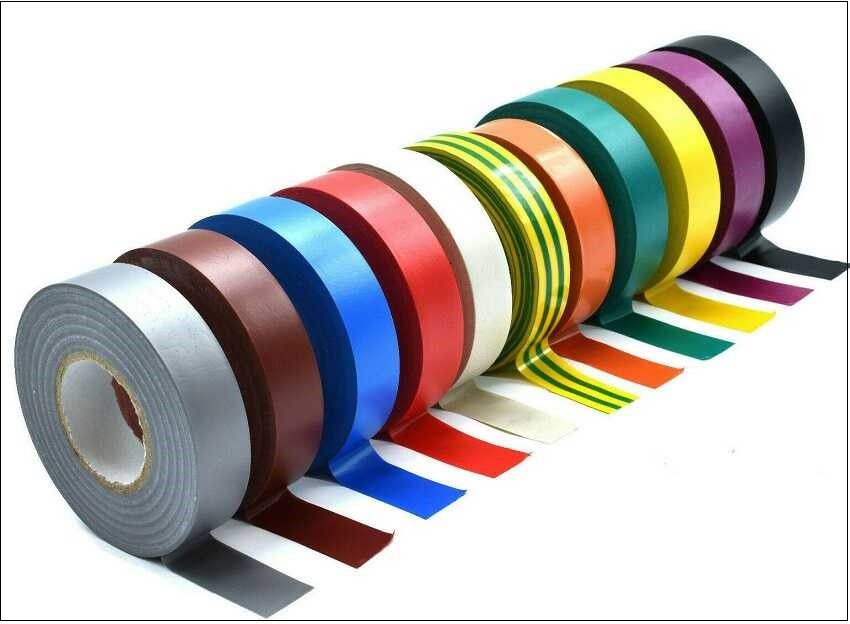
One of the main functions of electrical tape is to isolate devices such as wires, cables, sockets and switches, helping to prevent electricity from leaking out. This reduces the risk of electric shock and electrical-related incidents, ensuring safety during use.
Insulating tape is also resistant to water, oil and chemicals, helping to protect electrical equipment from harmful environmental factors. Thanks to this feature, the device is better protected, prolongs its life and maintains performance, especially in harsh environments.
In addition, insulating tape is used to fix electrical wire connections, making the connections strong and uniform. This helps avoid loose or separated connections, reduces the risk of short circuits and increases the stability of the electrical system.
Refer to the product here!